Best Cateye Bike Computers of 2026: Which Type Should You Buy?
CatEye is the brand that taught generations of riders what a bike computer is: a small, calm box on the stem that shows your speed and counts your miles, then does it again tomorrow without being charged. The modern range adds sensor bundles and GPS models, but the heart of the brand is still simplicity and battery life measured in months. The best cateye bike computer for you is the class that matches how much, or how little, technology you want on your bars.
This guide explains the range by type, from the classic one button models up to the GPS class, and shows who each one serves. Set against the full market in our overview of the best bike computer options, CatEye occupies the minimalist corner, and the comparison table below lays out its classes side by side.
Compare Products
- TBB Score8.8
TrekBikesBlog (TBB) score is a ranking system that rates products on a scale of 1 to 10. The TrekBikesBlog score has no relationship or impact from any manufacturers or sales agent websites – it's an unbiased way to rate our products. Learn more
- BrandCATEYE

- TBB Score8.4
TrekBikesBlog (TBB) score is a ranking system that rates products on a scale of 1 to 10. The TrekBikesBlog score has no relationship or impact from any manufacturers or sales agent websites – it's an unbiased way to rate our products. Learn more
- BrandCATEYE

- TBB Score8.4
TrekBikesBlog (TBB) score is a ranking system that rates products on a scale of 1 to 10. The TrekBikesBlog score has no relationship or impact from any manufacturers or sales agent websites – it's an unbiased way to rate our products. Learn more
- BrandCATEYE

- TBB Score8.8
TrekBikesBlog (TBB) score is a ranking system that rates products on a scale of 1 to 10. The TrekBikesBlog score has no relationship or impact from any manufacturers or sales agent websites – it's an unbiased way to rate our products. Learn more
- BrandCATEYE
- TBB Score8.2
TrekBikesBlog (TBB) score is a ranking system that rates products on a scale of 1 to 10. The TrekBikesBlog score has no relationship or impact from any manufacturers or sales agent websites – it's an unbiased way to rate our products. Learn more
- BrandN/A
Last update on 2026-11-24 / Affiliate links / Images, Product Titles, and Product Highlights from Amazon Product Advertising API
Minimalists Who Want Speed and Distance Only
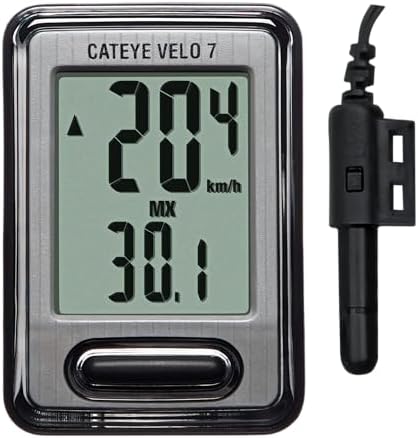
You ride for the ride, and you want two numbers: how fast and how far. The classic CatEye classes were designed around you, with one button, an honest screen, and setup that takes minutes. You will never open an app, never charge a battery mid season, and never scroll a menu at a traffic light. If that sounds like relief rather than limitation, your shortlist starts and ends with the simple sensor classes.
Commuters Who Hate Charging Devices
Your bike already shares your life with a phone, a watch, and lights that all demand cables. A CatEye on a coin cell asks for nothing for months at a time and wakes instantly for the ride to work. Water resistance on the commuter friendly classes shrugs off wet mornings, and the low price means a stolen or battered unit is an annoyance, not a disaster. Reliability is your feature, and this brand's basic classes are built on it.
Riders Who Want a Simple Second Computer
Your main bike may carry a full GPS system, but the trainer bike, the town bike, or the loaner for a visiting friend needs numbers too. A basic CatEye fills that role for very little money and zero setup drama when you swap it between mounts. You accept that rides on this bike live on the odometer rather than in an app, and for a lot of second bikes, that trade is exactly right.
Simple One Button Operation
The classic CatEye interface is a single button that steps through functions, and there is more wisdom in that than spec sheets admit. You can work it with thick gloves, you cannot get lost in it, and a new rider learns it in one ride. Higher classes add buttons and screens, but the brand's design language stays restrained. If you have ever watched a riding partner fight a touchscreen at a junction, you already understand the appeal of a computer that only ever shows you the next number.
Battery Life Measured in Months
This is the brand's signature. The simple classes run on a coin cell that commonly lasts a year or more of regular riding, and the sensor transmitter cell lasts similarly long. There is no charging cable, no low battery anxiety before an event, and no dead screen because you forgot a routine. The practical habit is to note the season when you fit a fresh cell and replace it before your biggest ride of the next one, since a fading cell announces itself with a dim display.
GPS Models Versus Sensor Models
The range splits into two philosophies. Sensor models measure the wheel directly, which makes them accurate, instant, and blind to where you rode. The GPS class records your route, uploads rides, and removes the magnet from the equation, at the cost of regular charging and a higher price. Riders who want the recording habit should compare that class against our guide to the best gps bike computer before deciding, because CatEye's GPS entry competes with strong all rounders there.
Compact Screens and Clean Cockpits
CatEye computers are small, and on crowded bars that is a feature. The displays show fewer numbers at once than big GPS units, but the digits are bold and the layout is uncluttered. Stem mounting keeps the unit centered and protected, and the low profile suits bikes where a large screen would look and feel out of place. If you ride a classic steel frame or a tidy commuter, the proportions of this range will feel right in a way flagship slabs never do.
Sensor Bundles and Add Ons
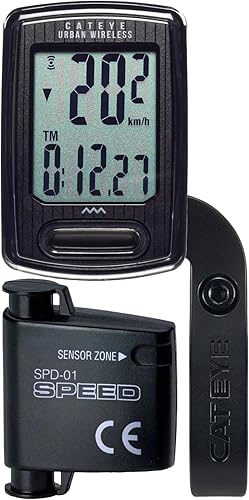
The smart classes sit between the basics and GPS, pairing with speed, cadence, and heart rate sensors and passing data to a phone app. Bundles that include the sensors in the box can be the cheapest honest route to cadence and heart rate numbers. Check what each bundle actually contains before assuming, and note that this app linked tier is where CatEye asks a little more setup of you. Riders who only need speed should skip it entirely and pocket the difference.
Mount Options for Stem and Bars
Most classes use the brand's long running bracket system, which means spare mounts are cheap and easy to find, a genuine advantage when you run several bikes. Out front mounts exist for riders who want the unit ahead of the bars, and the same bracket logic applies. Trail riders should still pick the sturdiest bracket and check it before rough rides, the same advice our guide to the best bike computer for mountain biking gives for every brand.
The basic class is the wired and wireless sensor computers the brand is famous for: speed, distance, time, and an odometer, with setup built around entering your wheel size. The smart class adds Bluetooth sensor pairing and app uploads for riders who want records without full GPS. The GPS class records routes and positions like any modern unit. If even the basic class feels like plenty, compare it with the wider field in our roundup of the best budget bike computer picks, where CatEye's simple models are perennial contenders.
- Entering the wrong wheel size code from the manual chart, which skews every speed and distance figure until it is corrected.
- Mounting the fork sensor too far from the spoke magnet, so readings drop out at speed and the odometer undercounts.
- Expecting app uploads from the basic class, which has no radio in it at all.
- Throwing the bracket away when you change bikes, instead of buying a second inexpensive bracket and moving the head unit.
- Ignoring a dimming display for months, then losing the odometer record when the cell finally dies mid ride.
- Buying the GPS class for a rider who only ever wanted speed, and saddling them with charging they never asked for.
These are among the longest lived devices in cycling when you handle the small things. Replace the coin cell at the first sign of a fading display and wipe the contacts dry if the unit lives outdoors. Recheck sensor and magnet alignment whenever you change a tire, because a shifted sensor is the usual cause of mysterious dropouts. Keep spare bracket bands and a spare cell in your toolbox, store the bike out of harsh sun when you can, and rinse road salt off the bracket in winter so the click stays positive.
Is CatEye a good bike computer brand?
Yes, and it is one of the oldest names in the category, known for simple computers and lights that run for years. Its strength is restraint: clear numbers, huge battery life, and prices that stay low. Riders who want maps and analysis should look at GPS brands, but riders who want a computer that disappears into the ride are exactly who CatEye builds for.
How long does a CatEye computer battery last?
On the simple classes, a coin cell commonly carries a year or more of regular riding, and the fork sensor cell lasts a similar span. The warning sign is a display that fades when you press the button. Swap the cell when you notice that, ideally before a big ride, because a computer that dies mid ride takes that day's distance with it.
Do CatEye computers need a wheel sensor?
The basic and smart classes do, since they count wheel rotations to work out speed and distance. The GPS class does not, because it measures movement by satellite. The sensor approach has one hidden virtue: it works in tunnels, under dense tree cover, and indoors on a trainer, all places where satellite signals weaken or vanish entirely.
Can a CatEye computer pair with a phone?
The smart and GPS classes can, sending ride data to the brand's app and onward to common training platforms. The basic classes cannot, and that is deliberate: no radio is part of why they run for a year on a coin cell. Decide before you buy which side of that line you live on, because it is the deepest split in the range.
Can a sensor based CatEye work on an indoor trainer?
Yes, and this is a quiet advantage over GPS units. Move the sensor to the rear wheel area, on the chainstay, with the magnet on a rear spoke, and the computer reads your trainer sessions accurately while the front wheel sits still in its stand. GPS computers record nothing useful indoors, so riders who train inside all winter often keep a simple CatEye for exactly this job.
CatEye is the answer when the question is how little technology can do the job properly. Choose the basic class for pure numbers, the smart class for app records, or the GPS class for routes, and the best cateye bike computer for your riding will serve for years without asking attention. Compare the classes in the product table above, and enjoy a computer that works as simply as the bike under it.


Best Bike Computer for Strava (2026): Buying Guide

Best Bike Seat for Seniors in 2026: Buying Guide and What to Check

Best Action Camera for Car Racing in 2026: A Buying Guide

Best Bike Pet Carriers: Mounting, Weight Limits, and Safety

Best Bike Trainer for Beginners in 2026: Buying Guide and What to Check
Best Action Camera for Hunting (2026): Mounts, Light and Battery Guide

Best Electric Motor for Mountain Bike: Every Type Explained Side by Side for 2026

Best Comfort Bike Seats (2026): Buying Guide