
Best Action Camera for Hunting (2026): Mounts, Light and Battery Guide
The best hunting footage happens in the worst light for a camera: the first gray minutes of legal shooting time, or the last ones before dark, when animals move and small sensors struggle. Choosing the best action camera for hunting is really about low light performance, quiet operation, and a mount that holds your angle without any fiddling once you are settled.
This guide compares camera types by what a hunt demands: dawn and dusk video, silent controls, cold weather battery life, and finishes that do not flash in the sun. The comparison table below sums up the main styles, and our general guide to the best action camera covers the wider market.
Compare Products
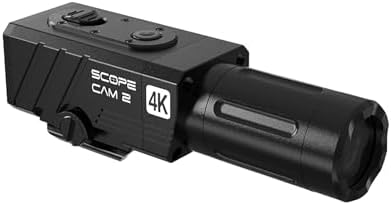
- TBB Score8.8
TrekBikesBlog (TBB) score is a ranking system that rates products on a scale of 1 to 10. The TrekBikesBlog score has no relationship or impact from any manufacturers or sales agent websites – it's an unbiased way to rate our products. Learn more
- BrandRunCam

- TBB Score7.6
TrekBikesBlog (TBB) score is a ranking system that rates products on a scale of 1 to 10. The TrekBikesBlog score has no relationship or impact from any manufacturers or sales agent websites – it's an unbiased way to rate our products. Learn more
- BrandABLEBRO

- TBB Score7.8
TrekBikesBlog (TBB) score is a ranking system that rates products on a scale of 1 to 10. The TrekBikesBlog score has no relationship or impact from any manufacturers or sales agent websites – it's an unbiased way to rate our products. Learn more
- BrandN/A
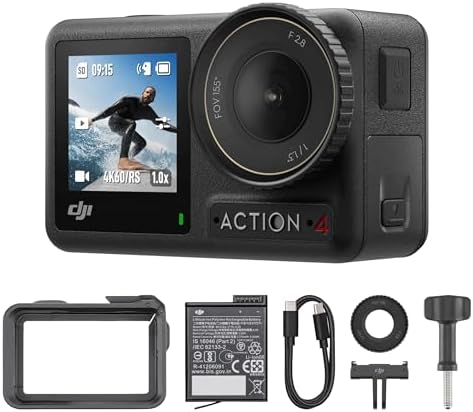
- TBB Score9.4
TrekBikesBlog (TBB) score is a ranking system that rates products on a scale of 1 to 10. The TrekBikesBlog score has no relationship or impact from any manufacturers or sales agent websites – it's an unbiased way to rate our products. Learn more
- BrandDJI

- TBB Score9.0
TrekBikesBlog (TBB) score is a ranking system that rates products on a scale of 1 to 10. The TrekBikesBlog score has no relationship or impact from any manufacturers or sales agent websites – it's an unbiased way to rate our products. Learn more
- BrandGoPro

- TBB Score8.8
TrekBikesBlog (TBB) score is a ranking system that rates products on a scale of 1 to 10. The TrekBikesBlog score has no relationship or impact from any manufacturers or sales agent websites – it's an unbiased way to rate our products. Learn more
- BrandAKASO

- TBB Score9.0
TrekBikesBlog (TBB) score is a ranking system that rates products on a scale of 1 to 10. The TrekBikesBlog score has no relationship or impact from any manufacturers or sales agent websites – it's an unbiased way to rate our products. Learn more
- BrandAKASO

- TBB Score8.0
TrekBikesBlog (TBB) score is a ranking system that rates products on a scale of 1 to 10. The TrekBikesBlog score has no relationship or impact from any manufacturers or sales agent websites – it's an unbiased way to rate our products. Learn more
- BrandApexcam

- TBB Score8.4
TrekBikesBlog (TBB) score is a ranking system that rates products on a scale of 1 to 10. The TrekBikesBlog score has no relationship or impact from any manufacturers or sales agent websites – it's an unbiased way to rate our products. Learn more
- BrandDragon Touch

- TBB Score9.0
TrekBikesBlog (TBB) score is a ranking system that rates products on a scale of 1 to 10. The TrekBikesBlog score has no relationship or impact from any manufacturers or sales agent websites – it's an unbiased way to rate our products. Learn more
- BrandRunCam
Last update on 2026-11-24 / Affiliate links / Images, Product Titles, and Product Highlights from Amazon Product Advertising API
Hunters film for different reasons. Match the camera style to your kind of hunt below.
Stand and Blind Hunters Filming Their Own Hunts
You sit still for hours and get seconds of action. You need a camera that starts recording with one press, runs a long time on standby, and points exactly where you aimed it before daylight. A compact camera on a small arm clamped to the stand, or on your cap, suits you best. Wide angle footage will make a deer at 25 yards look far away, so consider a camera that offers a narrower linear or zoom view. Silence matters most for you: no beeps, no bright screen glowing in the blind.
Spot and Stalk Hunters in Open Country
You cover miles, often by truck, bike, or boot, and the hunt can turn in seconds. Weight and durability lead your list. A small rugged camera in a chest mount or pack strap mount stays out of the way while climbing and is ready when you stop to glass. Waterproofing without a case matters because weather turns fast in open country. If your scouting also happens on two wheels, the mounts in our guide to the best action camera for motorcycle cross over well to handlebars and frames on the ride in.
Waterfowl and Upland Bird Hunters
Your action is fast, close, and usually in wet places at first light. You need strong weather sealing, a mount that keeps the camera pointed down the barrel line or over the decoys, and controls you can work with gloves while birds are working. Frame rate helps you here: higher frame rates make crossing shots easier to follow and to slow down later. A camera that shrugs off rain, mud, and a dunk in the marsh will outlast a delicate one, whatever its specs say.
Five factors decide whether a hunting camera captures the moment or misses it. Compare these first.
Low Light Video Quality
Most hunting action happens when light is scarce, and small sensors pay for it with grainy, smeared footage. A larger sensor is the single biggest upgrade for dawn and dusk work, because it gathers more light per frame. Frame rate matters too: filming at 30 frames per second lets the sensor expose each frame longer than at 60 or 120, so drop the frame rate as light fades. Digital stabilization also crops and processes the image, which can add noise in the dark. Judge hunting cameras by their twilight footage, not by bright midday samples, and treat huge resolution numbers on a tiny sensor with suspicion.
Quiet Controls and Screen Settings
A beep carries on a still morning, and a bright screen lights up a blind. Look for a camera that lets you silence all sounds, turn off status lights, and dim or disable the rear screen while recording continues. Voice control can help when your hands are on a bow or call, but try it at a whisper, because many systems need a firm voice. The record button itself should give a soft vibration or a small muted light you can confirm by feel. Before the season, run the camera in a dark room and check it from the front: if you can see it glowing, so can game.
Mounts That Hold an Angle
The mount decides your footage as much as the camera does. Cap and head mounts show exactly where you looked, which is honest footage but shaky when you turn fast. A small clamp arm on a stand rail or tree branch is steadier and can frame a shooting lane for hours. Chest mounts sit between the two, stable but low. Whatever you choose, it must hold its angle when bumped and come off quietly for the pack out. Avoid any mount that attaches in a way your local rules restrict, especially on firearms or bows, and confirm the setup is legal where you hunt.
Battery Life in Cold Weather
Cold is the silent killer of hunting footage. Battery capacity can fall sharply on a frosty morning, and a camera that films all afternoon in September may quit before sunrise in November. Plan for roughly half the rated runtime in deep cold, carry a spare battery in an inside pocket where your body keeps it warm, and rotate batteries at midday sits. Cameras with removable batteries beat sealed ones here. A power saving habit helps too: keep the camera fully off rather than in standby during the dead hours, since standby still sips power while it waits for a quick start.
Finish, Size and Weather Sealing
Shiny black plastic flashes when the sun hits it, and a swinging camera on a bright mount draws eyes. Matte finishes, dull mounts, and a small profile keep the camera invisible in the stand. Weather sealing should handle rain and wet snow without a bulky housing, because housings muffle sound and fog in temperature swings. Buttons big enough for gloves and a case that shrugs off mud round out the practical list. If a camera needs delicate handling, it will eventually cost you a filmed moment or the camera itself.
Do every adjustment at home, not in the stand. Set the resolution, frame rate, and field of view the night before, silence the beeps, dim the screen, and format the memory card so no setting needs changing in the dark. Mount the camera and film a short clip at your practice target to confirm the angle, because a camera aimed at the sky or the ground is the most common way hunts go unfilmed. Mark the mount position with a small piece of tape so you can reset it after the pack out. In the morning, start the camera when you settle in, confirm the record light by feel, and then forget it. Your attention belongs on the hunt, on safe handling of your bow or firearm, and on the animal, in that order. If filming ever conflicts with a safe and ethical shot, let the footage go.
- Leaving beeps and status lights on, then alerting the first animal that steps into the lane.
- Filming at a high frame rate in low light, which starves each frame and turns dawn footage to grain.
- Mounting the camera where it blocks your sight picture or snags your draw, a safety problem before it is a filming one.
- Trusting summer battery figures in November, so the camera dies before the evening movement starts.
- Checking footage playback in the stand, lighting your face and losing the last minutes of shooting light.
Wipe mud and blood off the housing the same day, rinse grit from mounts with plain water, and dry everything before it goes into a case, because a sealed damp case breeds corrosion on contacts. Charge batteries after the hunt and store them at a partial charge during the off season rather than full or empty. Keep the lens covered in transport, since a scratched lens cannot be fixed and hunting gear rides rough. Update the camera settings and clock at home before each season, check the mount screws for tightness, and replace worn straps and pads. Stored clean and dry, a hunting camera should serve many seasons.
Will an action camera scare game animals?
The camera itself rarely does, but sound and light from it can. A startup beep, a blinking record light, or a glowing screen will draw attention at close range in low light. Silence every sound, tape over or disable status lights if the settings allow, and mount the camera still rather than swinging. Your movement while reaching for the camera spooks more game than the camera ever will.
What field of view works best for hunting footage?
A wide view covers a shooting lane from a stand, but it shrinks animals fast: a deer at 30 yards looks tiny. A linear or narrow view crops the distortion and makes game appear closer, at the cost of missing action at the edges. Many self filming hunters split the difference with a medium view and a camera placed close to their expected shot, rather than a wide camera placed far away.
How long will a camera battery last on a cold morning sit?
Plan on much less than the box claims. In freezing weather, expect roughly half the warm weather runtime, and less if the camera sits exposed to wind. A battery kept warm in an inside pocket and swapped in at first light performs far better. For all day sits, two batteries and the discipline to power down between movements is the reliable setup.
Can you mount an action camera on a bow or rifle?
Some mounts exist, but rules vary widely. Certain states and seasons restrict electronics attached to hunting equipment, and added weight changes how a bow or rifle handles. Check your local regulations before the season, and never let a mount interfere with safe handling. A stand mounted or head mounted camera is legal almost everywhere and usually films better anyway.
Is a 360 camera useful for hunting?
It can be, because it records every direction and lets you aim the shot later at home, which helps when game appears where you did not expect. The trade offs are softer detail on the subject and bigger files to manage. Our guide to the best 360 action camera explains the style, and our guide to the best budget action camera covers low cost second cameras for covering another lane.
For hunting, light and silence beat resolution. Choose a camera with the largest sensor your budget allows, controls you can mute and dim, a mount that holds its angle, and batteries you can rotate in the cold. Compare the leading types in the product table above, then pick the best action camera for hunting setup that stays invisible until the moment matters, and always let the hunt, and safety, come before the footage.

Best Electric Motor for Mountain Bike: Every Type Explained Side by Side for 2026

Best Comfort Bike Seats (2026): Buying Guide
Best Collapsible Water Bottles (2026): Buying Guide for Riders

Best Crank Power Meters (2026): Fit and Accuracy Guide

Best Black Diamond Headlamp Types Explained for Riders (2026)

Best Fenix Headlamps: Which Model Suits Your Riding? (2026)
Best Action Camera for Surfing in 2026: A Buying Guide
Best Action Camera Under 200 Dollars (2026): What the Extra Money Buys










