
Best Bike Seat for Seniors in 2026: Buying Guide and What to Check
For many older riders, the bike is not the problem; the seat is. A saddle that was fine at forty can become the reason a ride ends early at seventy, when sit bones, soft tissue, balance, and recovery all ask for more consideration. The best bike seat for seniors is the one that supports an upright posture, relieves pressure where it matters, and lets you get on and off the bike without a struggle, so riding stays a pleasure instead of a negotiation with pain.
This guide focuses on the needs that come with age: wider support, pressure relief, easy mounting, and stable handling at low speed. The comparison table below shows the main saddle types; after it, we explain how to measure, how to set the saddle up for comfort and confidence, and which warning signs mean the answer is a doctor, not a different seat.
Compare Products

- TBB Score9.2
TrekBikesBlog (TBB) score is a ranking system that rates products on a scale of 1 to 10. The TrekBikesBlog score has no relationship or impact from any manufacturers or sales agent websites – it's an unbiased way to rate our products. Learn more
- BrandN/A

- TBB Score9.0
TrekBikesBlog (TBB) score is a ranking system that rates products on a scale of 1 to 10. The TrekBikesBlog score has no relationship or impact from any manufacturers or sales agent websites – it's an unbiased way to rate our products. Learn more
- BrandCloud-9

- TBB Score9.0
TrekBikesBlog (TBB) score is a ranking system that rates products on a scale of 1 to 10. The TrekBikesBlog score has no relationship or impact from any manufacturers or sales agent websites – it's an unbiased way to rate our products. Learn more
- BrandN/A

- TBB Score8.8
TrekBikesBlog (TBB) score is a ranking system that rates products on a scale of 1 to 10. The TrekBikesBlog score has no relationship or impact from any manufacturers or sales agent websites – it's an unbiased way to rate our products. Learn more
- BrandBikeroo
- TBB Score9.0
TrekBikesBlog (TBB) score is a ranking system that rates products on a scale of 1 to 10. The TrekBikesBlog score has no relationship or impact from any manufacturers or sales agent websites – it's an unbiased way to rate our products. Learn more
- BrandXmifer

- TBB Score9.2
TrekBikesBlog (TBB) score is a ranking system that rates products on a scale of 1 to 10. The TrekBikesBlog score has no relationship or impact from any manufacturers or sales agent websites – it's an unbiased way to rate our products. Learn more
- BrandGincleey
- TBB Score8.8
TrekBikesBlog (TBB) score is a ranking system that rates products on a scale of 1 to 10. The TrekBikesBlog score has no relationship or impact from any manufacturers or sales agent websites – it's an unbiased way to rate our products. Learn more
- BrandVELMIA

- TBB Score8.8
TrekBikesBlog (TBB) score is a ranking system that rates products on a scale of 1 to 10. The TrekBikesBlog score has no relationship or impact from any manufacturers or sales agent websites – it's an unbiased way to rate our products. Learn more
- BrandDAWAY

Wittkop Bike Seat, Waterproof Bicycle Saddle for Comfort, Mountain &
- TBB Score9.0
TrekBikesBlog (TBB) score is a ranking system that rates products on a scale of 1 to 10. The TrekBikesBlog score has no relationship or impact from any manufacturers or sales agent websites – it's an unbiased way to rate our products. Learn more
- BrandWittkop

- TBB Score9.0
TrekBikesBlog (TBB) score is a ranking system that rates products on a scale of 1 to 10. The TrekBikesBlog score has no relationship or impact from any manufacturers or sales agent websites – it's an unbiased way to rate our products. Learn more
- BrandBLUEWIND
Last update on 2026-11-24 / Affiliate links / Images, Product Titles, and Product Highlights from Amazon Product Advertising API
Returning Riders Getting Back on the Bike
If you are returning after years away, your sit bones need time to adapt, and the right saddle is a supportive one rather than the softest one. A medium wide seat around 165 to 210 mm with firm padding and a relief channel lets you build ride time gradually. Begin with the broader picture in our overview of the best bike seat types, then come back to the senior specific fit notes here before buying.
Upright Riders on Comfort Bikes, E Bikes, and Trikes
Riders who sit tall, including most e bike and trike riders, rest nearly all their weight on the saddle, so a wide platform with springs or suspension bumpers earns its place. Look at widths around 210 to 275 mm, a short nose for easy stops, and a cover that grips lightly so you do not slide. The designs in our guide to the best comfort bike seat overlap heavily with this group, and the same firm support advice applies.
Riders Managing Numbness or Sensitivity
If rides leave you numb, a cutout or deep relief channel is the first feature to try, since it removes pressure from the soft tissue and nerves between your sit bones. Riders comparing shapes will also find useful contrast in the best bike seat for women and best bike seat for men guides, because width and channel placement follow anatomy. Be honest with yourself, though: numbness that lingers after the ride, pain, or any change in bladder function is a reason to talk with a clinician promptly, not to keep shopping for saddles.
Width Matched to Your Sit Bones
Measure before you buy: sit on corrugated cardboard or memory foam on a hard chair, then measure between the centers of the two dents. Add about 20 to 30 mm for a supported riding width. Many senior riders do best around 165 to 210 mm for a normal upright bike, and wider, up to about 275 mm, on very upright comfort bikes and trikes. A saddle narrower than your bones leaves them hanging off the edges; a vastly wider one chafes your thighs as you pedal.
Padding That Supports Instead of Swallowing
Deep, soft padding is the most common trap for older riders. In the shop it feels kind; after twenty minutes your sit bones sink through it, the foam bunches up into the middle, and pressure lands exactly where you need relief. Choose firm foam, or a thin gel layer over a firm shell, so your weight stays on bone. Slightly tacky cover textures help too, because sliding around on a slick, soft seat tires your arms and core as they hold you in place.
Cutouts and Relief Channels
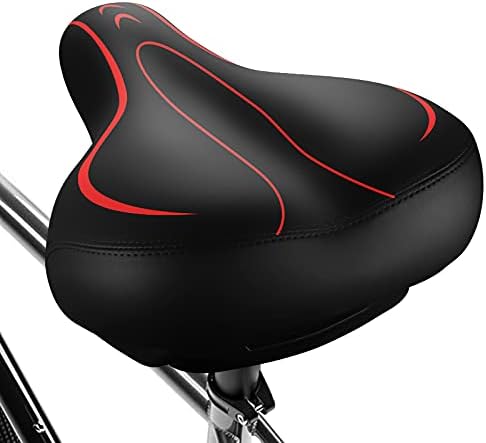
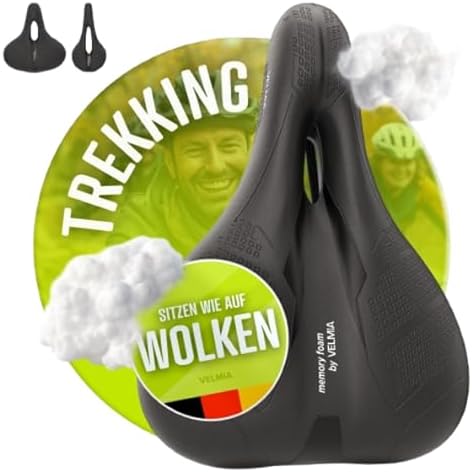
A cutout removes material along the center line, and for many seniors it is the single change that ends numbness. Full cutouts give the most relief; shallower channels suit riders who want some support in the middle. Check that the cutout edges are smooth and that the channel runs far enough forward to matter when you lean slightly ahead. If you ride with a medical condition that affects circulation or sensation, ask your clinician which shapes to avoid before choosing.
Short Nose and Easy Mounting
Getting on and off matters more with every decade. A short nose, or even a noseless design for very upright riding, removes the part that catches clothing and presses when you slide forward at a stop. Pair the saddle with a low step through frame if mounting is difficult, and practice stops somewhere quiet: a saddle that feels perfect at speed but trips you at the curb is the wrong saddle. Lower the saddle slightly while you rebuild confidence, then raise it gradually to protect your knees.
Springs and Suspension
Coil springs and elastomer bumpers under the rear of the saddle soak up the sharp jolts that travel straight to an older spine on rough pavement. They add weight and a gentle bounce, which most upright riders happily accept. A suspension seat post can do a similar job under a lighter saddle if your frame allows one. Either way, remember that suspended saddles sit taller and compress as you sit, so set your saddle height with your full weight on the bike.
Stable Feel and Weight Limits
Confidence comes from a saddle that does not rock, creak loose, or flex unpredictably. Choose steel rails, a reinforced shell, and a stated rider weight limit comfortably above your weight, and check the clamp bolts are snug after the first rides. A wide, stable platform also helps riders who ride slowly or stop often, because the bike feels planted when you shift your weight at walking pace.
Start with the saddle level and set the height so your knee keeps a comfortable slight bend at the bottom of the pedal stroke; a saddle set too low strains knees, and one set too high makes stops shaky. A very slight nose down tilt, one or two degrees, can ease pressure, but avoid big tilts that slide you onto your hands. Keep early rides short, around 20 to 30 minutes, and add time gradually as your body adapts. Always wear a helmet certified to CPSC standards, check your brakes and tire pressure before each ride, and favor routes with benches and bail out points while you build distance. If you take medication that affects balance or blood pressure, or you feel dizzy on rides, raise it with your doctor before pushing further.
- Buying the plushest saddle in the shop, then sinking through its padding until pressure causes the numbness you tried to escape.
- Keeping a narrow racing saddle from decades ago out of loyalty, long after your posture and body have changed.
- Setting the saddle high for efficient pedaling but being unable to reach the ground securely at stops.
- Ignoring numbness that continues after the ride, when it can signal a nerve or circulation issue that needs a clinician.
- Adding a thick gel pad cover over a worn saddle, which adds squish and instability instead of real support.
- Increasing ride distance too fast, so normal sit bone soreness gets mistaken for a bad saddle and a good one gets returned.
Wipe the cover after rides and let it dry fully, because sweat and moisture break down foam over time. Store the bike out of direct sun and away from heat, which crack covers and harden padding. Check the rail bolts, seat post clamp, and spring hardware every month or two, since a senior rider depends on the saddle staying exactly where it was set. Do not stack extra pads on top; when the foam takes a permanent set or the cover splits, replace the saddle, because collapsed support quietly recreates the pressure problems you solved by buying it.
What should I look for in a bike seat for seniors?
Start with width that matches your measured sit bones, firm supportive padding, and a relief channel or cutout if numbness is an issue. Add a short nose for easy mounting and springs or suspension if your roads are rough. The best choice also suits your posture: the more upright you sit, the wider and more supportive the saddle should be.
Is a softer bike seat better for older riders?
Rarely. Very soft seats feel good for five minutes, then your sit bones sink in and the padding presses upward into soft tissue, causing the numbness and soreness riders blame on age. Firm padding that holds your bones on the surface stays comfortable far longer. If you only ride a few gentle minutes at a time, a plush seat is harmless; for real distances, choose support.
How long does a bike seat last?
Expect several years from a quality saddle. Foam gradually loses support, often over about two to five years of regular riding, and covers wear where your legs pass. Springs and steel rails usually outlast the padding. Replace the seat when you can feel the hard shell through the foam or when comfort drops even though your setup has not changed.
Can the right bike seat fix numbness when riding?
A cutout saddle, correct width, and careful setup fix most ride time numbness, because they move pressure off soft tissue and onto your sit bones. But numbness that persists after you get off the bike, weakness, or changes in bladder or bowel habits can point to a medical problem. Treat those as doctor first symptoms and mention your riding when you go.
Should seniors choose a bike seat with springs?
Springs help if your routes include cracked pavement, brick streets, or gravel paths, because they absorb sharp impacts before they reach your back. On smooth paths they add weight and a slight bounce for little gain. Many riders pair a moderately sprung wide saddle with upright posture and find it the most forgiving combination for daily comfort.
Comfort at this stage of life is a fit problem with known solutions: measure your sit bones, pick firm support over showroom softness, relieve the center, and set the saddle level and low enough for confident stops. Compare shapes in the product table above, give a new saddle several short rides before judging it, and keep your clinician in the loop about numbness or balance concerns. Get those pieces right and the best bike seat for seniors is simply the one that lets you keep riding. Prices and availability can change, so check the product page before ordering.

Best Bike Computer for Strava (2026): Buying Guide

Best Action Camera for Car Racing in 2026: A Buying Guide

Best Bike Pet Carriers: Mounting, Weight Limits, and Safety

Best Bike Trainer for Beginners in 2026: Buying Guide and What to Check
Best Action Camera for Hunting (2026): Mounts, Light and Battery Guide

Best Electric Motor for Mountain Bike: Every Type Explained Side by Side for 2026

Best Comfort Bike Seats (2026): Buying Guide
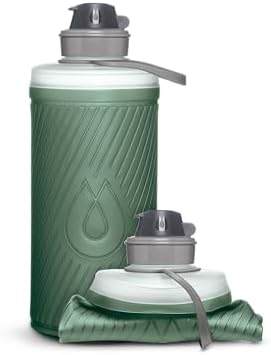
Best Collapsible Water Bottles (2026): Buying Guide for Riders










