
Best Bike Tires for Commuting in 2026: Buying Guide and What to Check
A commuting tire has one job above all others: get you to work on time, every day, in whatever weather the morning brings. The best bike tires for commuting trade a little raw speed for flat protection, wet grip, and durability, because a roadside repair in work clothes costs far more time than a slightly heavier tire ever will. Get the spec right and you mostly stop thinking about your tires at all, which is exactly the point.
Below, we walk through the choices that matter for a daily route: protection layers, width, tread, casing, and setup. The comparison table below sums up the main tire types side by side, and our wider guide to the best bike tires covers the racing and trail ends of the spectrum if your weekends look different from your weekdays.
Compare Products

Continental Gatorskin 700x25 Road Tire 2 Pack - Folding, PolyX
- TBB Score9.4
TrekBikesBlog (TBB) score is a ranking system that rates products on a scale of 1 to 10. The TrekBikesBlog score has no relationship or impact from any manufacturers or sales agent websites – it's an unbiased way to rate our products. Learn more
- BrandContinental

Continental Ride Tour 700x28 Hybrid Bike Tire - Wire Bead,
- TBB Score9.2
TrekBikesBlog (TBB) score is a ranking system that rates products on a scale of 1 to 10. The TrekBikesBlog score has no relationship or impact from any manufacturers or sales agent websites – it's an unbiased way to rate our products. Learn more
- BrandContinental

- TBB Score9.6
TrekBikesBlog (TBB) score is a ranking system that rates products on a scale of 1 to 10. The TrekBikesBlog score has no relationship or impact from any manufacturers or sales agent websites – it's an unbiased way to rate our products. Learn more
- BrandN/A

- TBB Score9.4
TrekBikesBlog (TBB) score is a ranking system that rates products on a scale of 1 to 10. The TrekBikesBlog score has no relationship or impact from any manufacturers or sales agent websites – it's an unbiased way to rate our products. Learn more
- BrandContinental

Schwinn Replacement Bike Tire, 700c x 38 Hybrid Bike Tire,
- TBB Score9.2
TrekBikesBlog (TBB) score is a ranking system that rates products on a scale of 1 to 10. The TrekBikesBlog score has no relationship or impact from any manufacturers or sales agent websites – it's an unbiased way to rate our products. Learn more
- BrandSchwinn
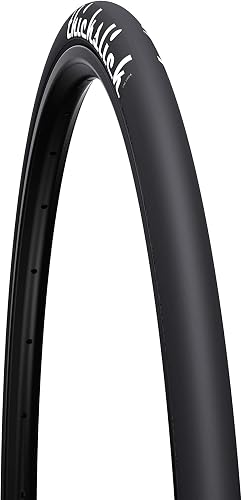
WTB ThickSlick Hybrid Bike Tire (26"/29"/700c) Wire Bead - Slick
- TBB Score9.2
TrekBikesBlog (TBB) score is a ranking system that rates products on a scale of 1 to 10. The TrekBikesBlog score has no relationship or impact from any manufacturers or sales agent websites – it's an unbiased way to rate our products. Learn more
- BrandN/A

- TBB Score9.0
TrekBikesBlog (TBB) score is a ranking system that rates products on a scale of 1 to 10. The TrekBikesBlog score has no relationship or impact from any manufacturers or sales agent websites – it's an unbiased way to rate our products. Learn more
- BrandFincci

- TBB Score9.0
TrekBikesBlog (TBB) score is a ranking system that rates products on a scale of 1 to 10. The TrekBikesBlog score has no relationship or impact from any manufacturers or sales agent websites – it's an unbiased way to rate our products. Learn more
- BrandFincci

Fincci Pair 26x1.95 Bike Tire - Leno Semi-Slick City 26
- TBB Score9.2
TrekBikesBlog (TBB) score is a ranking system that rates products on a scale of 1 to 10. The TrekBikesBlog score has no relationship or impact from any manufacturers or sales agent websites – it's an unbiased way to rate our products. Learn more
- BrandFincci

Hycline 2-Pack Cruiser Bike Tires: 26x2.125 Inch Folding Replacement Puncture-Resistant
View on Amazon- TBB Score9.2
TrekBikesBlog (TBB) score is a ranking system that rates products on a scale of 1 to 10. The TrekBikesBlog score has no relationship or impact from any manufacturers or sales agent websites – it's an unbiased way to rate our products. Learn more
- BrandHycline
Last update on 2026-11-26 / Affiliate links / Images, Product Titles, and Product Highlights from Amazon Product Advertising API
City Riders Crossing Glass, Grit, and Broken Pavement
If your route crosses tram tracks, construction zones, and the debris that collects at the edge of every city lane, puncture protection is your first filter. You want a tire with a dedicated protection belt under the tread and reinforced sidewalls, even if it weighs more and rolls a touch slower. Our roundup of the best puncture resistant bike tires goes deeper on protection levels, but the short version is simple: on a dirty city route, the fastest tire is the one that never flats.
Suburban Riders With a Longer, Faster Route
With ten or more miles each way on decent pavement, rolling resistance starts to matter as much as protection. A supple casing with a moderate protection layer keeps your speed up without leaving you exposed, and a slightly smoother tread rolls quietly on asphalt. You can afford to give up the heaviest armor, because your roads are cleaner, but keep a real protection belt rather than switching to a pure race tire that will not survive daily use.
Riders Mixing Pavement With Gravel Paths and Rail Trails
Many commutes cut across unpaved shortcuts, canal paths, or gravel park roads where a slick road tire feels nervous. A wider tire with a smooth center and light shoulder knobs rolls fine on pavement and still grips when the surface turns loose. Riders whose shortcut is mostly dirt should look at the best gravel bike tires instead, and riders converting a mountain bike for the commute can adapt the guidance in our guide to the best mountain bike tires and pick a fast rolling tread.
Puncture Protection Under the Tread
Protection comes from extra material between the road and your tube or sealant, usually a woven or rubber belt under the tread, sometimes with sidewall reinforcement as well. More protection means fewer flats and a heavier, slightly stiffer tire. For commuting, a mid to high protection level is the sweet spot for most riders, because the time cost of one flat dwarfs the small speed difference over a season. Check where the protection sits: tread only belts leave sidewalls exposed to cuts from sharp debris at low angles.
Tire Width and Air Volume
Wider tires run at lower pressure, float over cracked pavement, and grip better in the wet because the contact patch grows. Most commuters land between 32 and 42 mm on 700c wheels, with the wider end suiting rough streets and heavier loads like a laptop and a change of clothes. Narrower tires around 28 mm feel quicker on smooth roads but punish you on broken surfaces. Whatever width you choose, confirm your frame and fenders clear it with room for mud and road grit.
Tread Pattern for Wet and Dry Roads
On pavement, deep tread does almost nothing for grip, because bike tires are too narrow to aquaplane at normal speeds and rubber compound does the real work. Fine file tread or small sipes help on wet paint, metal plates, and damp leaves, which are the true hazards of a city commute. Knobs only earn their keep once you leave pavement. A mostly smooth center with light texture at the shoulders is the pattern that serves the widest range of real commutes.
Casing, TPI, and Ride Feel
The casing is the fabric body of the tire, and its thread count, listed as TPI, shapes how the tire feels. Higher TPI casings flex more easily, which improves comfort and grip and usually lowers rolling resistance, but the thinner fabric is easier to cut. Lower TPI commuter casings feel firmer yet shrug off abuse. Many good commuting tires pair a durable casing with a supple tread area, and that blend is what you feel as a tire that rolls well without feeling fragile.
Bead Type and Tubeless Compatibility
A folding bead saves weight and lets you carry a spare tire, while a wire bead costs less and sits just as securely once mounted. Tubeless ready tires paired with sealant can seal small punctures as you ride, which is a genuine commuting advantage, but the setup demands compatible rims, fresh sealant every few months, and comfort with the mess. If your rims are not tubeless ready, a good tube setup with a protective tire remains completely respectable for daily riding.
Reflective Details and Durability Extras
Reflective sidewalls or a reflective stripe add side visibility at junctions, where drivers approach you from the angle your lights cover least. It is a small feature that matters a lot on dark winter commutes. Also check the wear indicators molded into the tread, which tell you when the rubber is done, and look for reinforced shoulders if you regularly bump up curbs or ride with loaded panniers pressing the tire into every edge.
Start with the size printed on your current tire sidewall, written like 700 x 35c or 27.5 x 2.0, and stay with the same wheel diameter. Width can change, but only within the room your frame, fork, and fenders allow, so measure the gap at the chainstays and under the fender before ordering wider rubber. Rim width matters too: a very wide tire on a narrow rim bulges and feels vague in corners. When in doubt, one step wider than stock is the safe upgrade for comfort.
- Buying ultralight race tires for a daily route, because thin casings flat often and wear out in a fraction of the miles.
- Pumping tires to the maximum printed pressure, because a rock hard tire loses grip in the wet and beats you up on rough streets.
- Ignoring fender and frame clearance when going wider, because a tire that rubs will wear through its own sidewall.
- Mixing a worn rear tire with a fresh front one, because the rear wears roughly twice as fast and should be the newer tire.
- Skipping a weekly pressure check, because slow leaks turn into pinch flats and rim damage on the first pothole.
Keep pressure in the middle of the recommended range and top it up weekly, since underinflated tires flex, crack, and pick up cuts. Wipe the tread down after wet rides and pick out embedded glass and grit with a blunt pick before it works through the casing. Store the bike out of direct sun and away from electric motors, because ultraviolet light and ozone both age rubber. When the rear tread squares off and the wear indicators vanish, replace that tire, and fit the fresh one on the rear.
What tire pressure is best for commuting?
Most commuters do well in the middle of the range printed on the sidewall, adjusted for load and width. Heavier riders and loaded panniers call for the upper half of the range, while lighter riders on wide tires can run the lower half for comfort. Change one variable at a time: drop or add about 5 psi per week until the ride feels smooth without the tire feeling squirmy in corners.
How long do commuting tires last?
A durable commuting tire typically lasts about 2,000 to 4,000 miles, with the rear wearing out first. Riders on clean suburban roads reach the top of that range, while city riders who brake hard and cross grit and glass land lower. Replace a tire when the tread wear indicators disappear, the casing threads show, or you start getting flats every few weeks from cuts that no longer seal.
Are expensive commuting tires worth it?
Spending more buys a better protection belt, a more supple casing, and rubber that grips better in the wet, and those gains show up every single ride. The cheapest tires save money up front but often give it back in flats and early replacements. You do not need a flagship model; the mid priced commuter lines from major makers are where durability and ride quality meet at a fair cost.
Should commuters set their tires up tubeless?
Tubeless makes sense if your rims and tires are both tubeless ready and your route is littered with small sharp debris, because sealant plugs those holes before you lose much air. It makes less sense if you swap tires often or dislike maintenance, since sealant dries out and needs topping up every few months. Large cuts still need a plug or a tube either way, so carry a spare tube regardless of your setup.
Can I commute on the tires that came with my bike?
Often yes for the first season, because many hybrid and city bikes ship with sensible commuter rubber already fitted. Stock tires on road and gravel bikes lean faster and lighter than a daily route ideally wants. Ride them while you learn your route, note how many flats you get and how the bike feels in the rain, then upgrade with that knowledge instead of guessing on day one.
The right commuting tire disappears underneath you, and that is the highest praise a daily component can earn. Match protection to how dirty your streets are, pick a width your frame clears comfortably, and cross check your shortlist in the product table above. Do that, and the best bike tires for commuting for your route will simply do their job in the background, season after season, while you think about anything else.


Best Bike Tires in 2026: Buying Guide and What to Check

Best Cycling Glasses for Night Riding (2026): Buying Guide

Best Bike Phone Mounts for Navigation and Safety

Best Action Camera for Snowboarding (2026): Cold, Mounts and Stabilization

Best Bike Seat for Men in 2026: Buying Guide and What to Check

Best Bike Pedals for Gravel in 2026: Buying Guide and What to Check

Best 8K Action Cameras (2026): What 8K Really Gets You on the Bike

Best Bike Lock for City in 2026: Buying Guide and What to Check










