
Best Bike Pedals for Gravel in 2026: Buying Guide and What to Check
Gravel riding asks things of a pedal that road riding never does. You clip in and out on loose climbs, walk your bike up muddy banks, and spend five hours on surfaces that shake every bolt loose. A pedal that feels perfect on smooth tarmac can clog with mud in one wet mile. Finding the best bike pedals for gravel is about surviving those conditions while still giving you a secure, efficient connection on the long stretches between them.
This guide sorts the real choices: clipless versus flat, open versus closed mechanisms, and how much platform your shoes need. The comparison table below gives the overview, and our hub guide to the best bike pedals covers the types that gravel riders usually rule out, and why.
Compare Products

- TBB Score9.2
TrekBikesBlog (TBB) score is a ranking system that rates products on a scale of 1 to 10. The TrekBikesBlog score has no relationship or impact from any manufacturers or sales agent websites – it's an unbiased way to rate our products. Learn more
- BrandN/A

- TBB Score9.4
TrekBikesBlog (TBB) score is a ranking system that rates products on a scale of 1 to 10. The TrekBikesBlog score has no relationship or impact from any manufacturers or sales agent websites – it's an unbiased way to rate our products. Learn more
- BrandSHIMANO

- TBB Score9.4
TrekBikesBlog (TBB) score is a ranking system that rates products on a scale of 1 to 10. The TrekBikesBlog score has no relationship or impact from any manufacturers or sales agent websites – it's an unbiased way to rate our products. Learn more
- BrandN/A

- TBB Score9.2
TrekBikesBlog (TBB) score is a ranking system that rates products on a scale of 1 to 10. The TrekBikesBlog score has no relationship or impact from any manufacturers or sales agent websites – it's an unbiased way to rate our products. Learn more
- BrandN/A

- TBB Score9.4
TrekBikesBlog (TBB) score is a ranking system that rates products on a scale of 1 to 10. The TrekBikesBlog score has no relationship or impact from any manufacturers or sales agent websites – it's an unbiased way to rate our products. Learn more
- BrandN/A

Race Face Atlas Bike Pedal
- TBB Score9.2
TrekBikesBlog (TBB) score is a ranking system that rates products on a scale of 1 to 10. The TrekBikesBlog score has no relationship or impact from any manufacturers or sales agent websites – it's an unbiased way to rate our products. Learn more
- BrandRaceFace

OneUp Components Composite Pedals, Black – Lightweight, Durable Flat Bike
- TBB Score9.4
TrekBikesBlog (TBB) score is a ranking system that rates products on a scale of 1 to 10. The TrekBikesBlog score has no relationship or impact from any manufacturers or sales agent websites – it's an unbiased way to rate our products. Learn more
- BrandOneUp Components
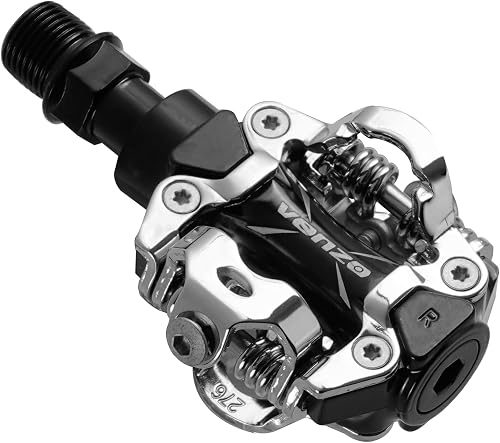
- TBB Score9.0
TrekBikesBlog (TBB) score is a ranking system that rates products on a scale of 1 to 10. The TrekBikesBlog score has no relationship or impact from any manufacturers or sales agent websites – it's an unbiased way to rate our products. Learn more
- BrandVenzo

- TBB Score8.4
TrekBikesBlog (TBB) score is a ranking system that rates products on a scale of 1 to 10. The TrekBikesBlog score has no relationship or impact from any manufacturers or sales agent websites – it's an unbiased way to rate our products. Learn more
- BrandROCKBROS

- TBB Score9.6
TrekBikesBlog (TBB) score is a ranking system that rates products on a scale of 1 to 10. The TrekBikesBlog score has no relationship or impact from any manufacturers or sales agent websites – it's an unbiased way to rate our products. Learn more
- BrandCrankbrothers
Last update on 2026-11-25 / Affiliate links / Images, Product Titles, and Product Highlights from Amazon Product Advertising API
Gravel Racers Who Clip In and Stay In
If your events are fast and you rarely unclip, choose a light two bolt clipless pedal with an open mechanism that clears debris, and pair it with a stiff soled shoe. You will spend the day connected, and your priorities are mud shedding and a firm platform rather than walking comfort. Racers should still test entry and exit with muddy cleats before event day, because a mechanism that jams at mile forty has ended plenty of races.
Bikepackers and Adventure Riders Who Push Their Bikes
Multi day routes include hike a bike climbs, river crossings, and camp chores in the same shoes you ride in. Mid sized clipless pedals with a small cage around the mechanism, or even flats, make this life easier. The cage gives your shoe something to rest on during a sloppy remount on a slope, and recessed cleats keep walking natural. Weight matters less here than reliability a long way from a bike shop.
Riders Who Prefer Flat Pedals Off Road
Some gravel riders, especially those from a mountain bike background, simply ride better unattached on rough descents. A quality flat pedal with replaceable pins and grippy shoes gives real control and instant foot placement on technical ground. Our guide to the best flat bike pedals covers pin layouts and platform sizes in detail. The cost is some efficiency on long smooth climbs, which many riders happily accept for the confidence.
Mud Shedding and Open Mechanism Design
This is the feature that defines a gravel pedal. Open, minimalist mechanisms with few flat surfaces give mud nowhere to pack, so you can still clip in after walking a boggy section. Enclosed designs and road style bodies trap clay around the cleat and turn entry into a stamping contest. Look at the spring area: wide gaps and smooth ramps shed debris as you engage. If your local gravel is sandy rather than muddy the demand is lower, but grit still wears mechanisms, so easy cleaning matters everywhere.
Platform Support Around the Cleat
Pure cross country race pedals are tiny, and on a six hour gravel ride that small contact patch can create a hot spot under the ball of your foot. Pedals with a modest cage or extended body spread the load and also give you a perch for unclipped moments on rough descents. The trade off is a little weight and a greater chance of pedal strikes on rocks. Most gravel riders land in the middle: a compact mechanism with just enough surround to support the shoe without feeling like a trail pedal.
Float and Knee Comfort on Rough Ground
Float lets your foot rotate slightly while clipped in, and on gravel your legs constantly absorb vibration and small slips. A few degrees of float lets your knees track naturally through that movement instead of fighting a locked angle for hours. Most two bolt systems build float into the cleat, and some offer different cleats with more or less movement. Riders with a history of knee pain should treat float as a requirement, not a detail, and gravel riders coming from road setups should read our guide to the best bike pedals for road bikes to see why road cleats and their big float ranges do not transfer directly.
Sealed Bearings and All Weather Durability
Gravel dust is fine enough to enter almost any seal, and wet grit is an abrasive paste. Pedals with proper sealed bearings and a grease port or simple service routine survive seasons of this; cheap pedals develop play within months. Stainless or coated hardware resists the corrosion that starts the first time you ride through a flooded lane. If your gravel bike doubles as your winter commuter, the durability advice in our guide to the best bike pedals for commuting applies just as well off road.
Cleat and Shoe Tread Compatibility
A gravel pedal only works as a system with your shoes. The shoe tread blocks on either side of the cleat should contact the pedal body or cage, which stabilizes your foot and stops rocking. Deep, soft lugs walk better but can squirm on the pedal; harder, lower tread feels firmer and wears slower. Check that mud can escape around the cleat pocket of the shoe too, because a perfect pedal cannot help a shoe that arrives at it already packed with clay.
Set your cleats so the pedal axle sits just behind the ball of your foot, which suits the lower cadence, higher torque style of gravel climbing and reduces calf fatigue on long rides. If you hike a bike often, choose shoes with a flexible toe section and aggressive heel tread, and avoid ultra stiff race soles that skate on wet rock. Walk your loaded bike up a steep grassy bank in your chosen combination before a big trip: that two minute test tells you more about tread, cleat clearance, and remounting than any specification sheet.
- Using three bolt road pedals on gravel: the exposed cleat clogs with the first muddy step and offers no grip for walking.
- Choosing the tiniest race pedal for long rides: a minimal contact patch causes hot spots and numb feet after several hours.
- Ignoring mud clearance in the shoe: packed tread around the cleat stops engagement no matter how open the pedal design is.
- Setting cleats for road position: an axle under the ball of the foot strains calves on steep, loose climbs, so move it slightly back.
- Skipping the mud test: a pedal that clips in cleanly on the shop floor may jam solid once the mechanism is full of wet grit.
Rinse the mechanism with a gentle hose after muddy rides and work the springs a few times while rinsing, so grit leaves instead of drying into the pivots. Let the pedals dry fully before storing the bike, and add a drop of oil to the springs monthly during the wet season. Check cleats for wear every few weeks: gravel walking grinds the cleat edges faster than road use, and a rounded cleat is the usual cause of sudden, unwanted release on a climb. A thin smear of grease on the pedal threads each time you remove them stops them seizing into the cranks.
Are flat pedals or clipless pedals better for gravel riding?
It depends on your terrain and background. Clipless pedals give a secure connection and better efficiency on long, smoother gravel, and most racers use them. Flats give instant foot placement, easy walking, and confidence on technical or very loose ground, at some cost on climbs. Many riders keep both and swap by route: clipless for fast events, flats for exploratory rides with lots of walking.
Do gravel bike pedals need special shoes?
Clipless gravel pedals need two bolt shoes, the mountain bike style with a recessed cleat and treaded sole. Road shoes do not work, because their three bolt cleats cannot fit and their smooth soles are treacherous on gravel. Flat pedals need no special shoe, but a flat soled shoe with a grippy rubber compound holds the pins far better than a running shoe with a curved, soft sole.
How much float do you need for gravel riding?
Most riders do well with the standard float built into common two bolt cleats, which is roughly four to six degrees. It is enough to let knees move naturally over rough ground without feeling sloppy when you stand and sprint. Riders with knee issues may prefer cleats at the higher end of that range and should pay attention to cleat angle during setup, since poor alignment bothers knees more than the exact float number.
Can you use road pedals on a gravel bike?
You can on dry, smooth gravel, and plenty of riders do for a single event. The problems arrive with the first dismount: road cleats clog with mud, the smooth shoe sole slips on loose surfaces, and walking even a short bank is awkward. Road mechanisms also sit closer to the ground and strike rocks more easily. As an occasional dry day setup it works; as an all conditions gravel choice it frustrates quickly.
When should you replace the cleats on gravel pedals?
Earlier than you think. Walking on abrasive gravel wears the cleat's engagement edges fast, so inspect them monthly if you ride weekly. Replace the pair when entry starts to feel soft, when one side releases with a shorter twist than the other, or when you can see the edges visibly rounded. Carrying a spare set on multi day trips is cheap insurance against a worn cleat ruining a remote ride.
Match the mechanism to your mud, give your shoe enough platform for your longest ride, and the best bike pedals for gravel will disappear underneath you in the best possible way. Use the product table above to compare the main styles, and test entry and exit with dirty cleats before you commit to a big event or a long trip.

Best Cycling Glasses for Night Riding (2026): Buying Guide

Best Bike Phone Mounts for Navigation and Safety

Best Action Camera for Snowboarding (2026): Cold, Mounts and Stabilization

Best Bike Seat for Men in 2026: Buying Guide and What to Check

Best 8K Action Cameras (2026): What 8K Really Gets You on the Bike

Best Bike Lock for City in 2026: Buying Guide and What to Check

Best Bike Lock with Alarm in 2026: Buying Guide and What to Check

Best Bike Rack for Jeep in 2026: Buying Guide and What to Check










