
Best 8K Action Cameras (2026): What 8K Really Gets You on the Bike
8K sounds like a simple win: four times the pixels of 4K, sharper footage, more freedom in the edit. On a small action camera the story is more interesting, because resolution interacts with sensor size, heat, battery and storage in ways that spec sheets hide. Choosing the best 8k action camera means understanding what those extra pixels actually do for the way you film.
This guide explains where 8K earns its cost, where 4K quietly matches it, and which supporting specs decide whether an 8K camera is a tool or a frustration. The comparison table below sets out the main types, and the sections after it dig into reframing, frame rates, heat and the editing hardware you will need.
Compare Products

Insta360 X6, 8K 360 Camera with 1/1.1'' Sensors | Action
- TBB Score9.0
TrekBikesBlog (TBB) score is a ranking system that rates products on a scale of 1 to 10. The TrekBikesBlog score has no relationship or impact from any manufacturers or sales agent websites – it's an unbiased way to rate our products. Learn more
- BrandInsta360

Insta360 X5 - Waterproof 8K 360° Action Camera, Leading Low
- TBB Score9.2
TrekBikesBlog (TBB) score is a ranking system that rates products on a scale of 1 to 10. The TrekBikesBlog score has no relationship or impact from any manufacturers or sales agent websites – it's an unbiased way to rate our products. Learn more
- BrandInsta360

- TBB Score9.2
TrekBikesBlog (TBB) score is a ranking system that rates products on a scale of 1 to 10. The TrekBikesBlog score has no relationship or impact from any manufacturers or sales agent websites – it's an unbiased way to rate our products. Learn more
- BrandInsta360
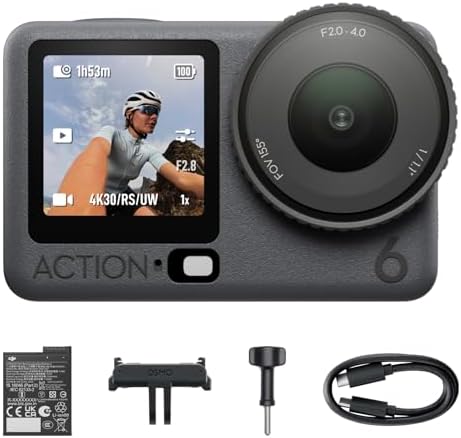
- TBB Score9.0
TrekBikesBlog (TBB) score is a ranking system that rates products on a scale of 1 to 10. The TrekBikesBlog score has no relationship or impact from any manufacturers or sales agent websites – it's an unbiased way to rate our products. Learn more
- BrandDJI
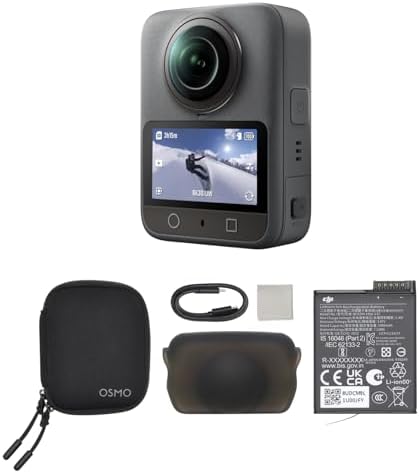
- TBB Score8.8
TrekBikesBlog (TBB) score is a ranking system that rates products on a scale of 1 to 10. The TrekBikesBlog score has no relationship or impact from any manufacturers or sales agent websites – it's an unbiased way to rate our products. Learn more
- BrandDJI

- TBB Score8.8
TrekBikesBlog (TBB) score is a ranking system that rates products on a scale of 1 to 10. The TrekBikesBlog score has no relationship or impact from any manufacturers or sales agent websites – it's an unbiased way to rate our products. Learn more
- BrandGoPro

- TBB Score9.2
TrekBikesBlog (TBB) score is a ranking system that rates products on a scale of 1 to 10. The TrekBikesBlog score has no relationship or impact from any manufacturers or sales agent websites – it's an unbiased way to rate our products. Learn more
- BrandN/A
Last update on 2026-11-25 / Affiliate links / Images, Product Titles, and Product Highlights from Amazon Product Advertising API
Creators Who Crop One Take Into Several Clips
If you film a ride once and publish it as a wide video, a vertical phone clip and a zoomed detail shot, 8K headroom is genuinely useful. You can crop to a quarter of the frame and still deliver full HD. Riders comparing capture styles should also weigh the approach in our best action camera guide, because field of view and stabilization shape the result as much as pixel count does.
Riders Filming for Clients or Large Screens
Paid work changes the math. Clients notice soft footage on a big screen, and 8K downscaled to 4K looks cleaner than native 4K from the same small sensor, because the downscale averages out noise. If you deliver event coverage, real estate rides or tourism footage, that polish can justify the price and the heavier workflow that comes with these cameras.
Long Term Owners Who Upgrade Rarely
Some riders keep a camera for five years or more. For them, 8K is partly insurance: displays and platforms keep moving up, and footage shot today at the highest setting ages more slowly. The catch is that everything around the camera must keep up too, from memory cards to the computer that edits the files, so budget for the whole chain rather than the camera alone.
What 8K Resolution Actually Adds
An 8K frame holds about 33 megapixels, four times a 4K frame. In practice you gain two things: crop room for reframing and punching in, and a cleaner image when the footage is downscaled for delivery. What 8K does not add is better dynamic range or low light skill, because those come from the sensor and processing. A different route to flexible framing is a 360 camera, covered in our best 360 action camera guide, which captures every direction and lets you aim the shot later.
Sensor Size and Image Quality
Sensor size is the spec that separates convincing 8K from marketing 8K. Cramming 33 megapixels onto a tiny sensor shrinks each pixel, which hurts low light performance and raises noise. Larger sensors, around 1 inch class, hold up far better at dawn, in forest shade and indoors. Check whether the camera records true 8K from the full sensor or upscales from a lower resolution, because some budget claims rely on interpolation, which adds file size without adding detail.
Frame Rates and Stabilization at 8K
Most action cameras record 8K at up to 30 frames per second, which suits smooth scenic footage but not slow motion. If you love slowing down a jump or a crash save, you will drop to 4K or lower for 120 frames per second anyway. Stabilization also changes with resolution: electronic stabilization crops the frame, and at 8K there is more spare frame to crop from, so stabilized 8K footage can look both smooth and wide. Confirm the modes you care about work together before buying.
Heat and Battery Drain
Processing 8K video generates real heat in a sealed waterproof body, and makers manage it with clip length limits or thermal throttling on warm days. Expect notably shorter runtime per battery at 8K than at 4K, and plan spare batteries for long recording days. Riders who film long road stretches, the use case behind our best action camera for motorcycle guide, should check how a camera behaves in direct sun at a standstill, because airflow while moving hides heat problems.
Storage Speed and File Sizes
At typical 8K bitrates around 100 to 200 megabits per second, an hour of footage takes roughly 45 to 90 GB. That changes how you pack: a long trip needs several large cards or a nightly offload routine. Cards must sustain the write speed, not just claim a peak, so look for V60 or V90 ratings for heavy 8K use and format cards in the camera. A card that falls behind causes dropped frames or stopped recordings, usually at the worst moment.
Editing Demands
8K files are heavy to edit. Smooth timeline playback needs a recent computer with a capable graphics card, or a proxy workflow where you edit low resolution copies and link back to originals for export. Phones can trim 8K clips, but color work and stabilization passes get slow. If your current laptop struggles with 4K, the honest total price of 8K includes an upgrade there too, and many riders are happier spending that money on a better 4K camera instead.
For most riding footage, a strong 4K camera with a large sensor, good stabilization and high frame rate options produces the video people actually enjoy. You get longer battery life, smaller files, faster editing and slow motion modes that 8K cannot offer. If your budget is fixed, the money saved by stepping down often buys mounts, spare batteries and cards that improve your footage more than resolution would. Our best budget action camera guide shows how far careful spending goes when resolution is not the priority.
- Believing every 8K label: some low cost cameras upscale to 8K, adding file size without real detail.
- Buying fast cards too late: slow cards cause dropped frames and recordings that stop mid ride.
- Filming everything at 8K: heat limits and huge files punish casual clips that 4K would handle easily.
- Ignoring the editing chain: footage you cannot play back or edit smoothly might as well not exist.
- Judging by resolution alone: a small noisy sensor at 8K looks worse than a large clean sensor at 4K.
Heat is the long term enemy, so store the camera out of direct sun, remove the battery for long storage, and keep battery charge around half when it sits for months. Rinse the sealed body in fresh water after salt water use, dry the ports fully before charging, and inspect the lens cover for scratches, because at 8K a small mark shows more clearly. Keep firmware updated through the maker app, since updates often improve thermal behavior and card compatibility, and carry cards in a hard case rather than loose in a pocket.
Is an 8K action camera worth it for most riders?
For most riders, not yet. The clear gains are cropping freedom and cleaner downscaled 4K, and both matter mainly to creators who publish in several formats. Casual ride videos gain little, while the costs in battery, storage and editing time arrive immediately. If you film often, publish wide and vertical versions, and own a computer that handles big files, 8K earns its place. Otherwise a strong 4K camera is the smarter buy.
How much storage does one hour of 8K video use?
Plan on roughly 45 to 90 GB per hour at the bitrates action cameras use for 8K. A 256 GB card therefore holds about three to five hours, less if you mix in high frame rate 4K clips. Trip planning changes at this scale: many riders offload to a laptop or drive each evening, and carrying two mid size cards beats one huge card, because a lost or failed card does not take the whole trip with it.
Can phones and TVs actually play 8K footage?
Most current phones will play 8K files but display them at their own lower screen resolution, so you see the downscale benefit rather than true 8K. True 8K televisions exist but remain uncommon. Platforms also compress uploads, which erases some fine detail. None of this makes 8K pointless: the crop room and cleaner downscale survive delivery. It does mean your audience rarely sees raw 8K, so judge test footage at the size your viewers will use.
Does recording in 8K drain the battery faster?
Yes, clearly. The sensor readout and processor work harder, and the extra heat can trigger protective shutdowns on hot days. Runtime per battery at 8K is often a third to a half shorter than at 4K on the same camera. Practical fixes are simple: carry spares, drop to 4K for long static shots, and turn off features you are not using, such as the rear screen at full brightness, GPS and voice control.
What memory card does an 8K action camera need?
Choose a card rated for sustained writes, not just fast peaks: V60 is a sensible floor for heavy 8K use, and V90 gives more headroom for the highest bitrates. Capacity of 128 GB or 256 GB suits the file sizes. Buy from reputable sellers, because counterfeit cards are common and fail quietly. Format the card in the camera before important shoots, and retire cards that produce any error, since 8K footage is too large to gamble on a suspect card.
The best 8k action camera is the one whose sensor, heat behavior and workflow fit how you film, not the one with the loudest box. Use the product table above to compare the main types, check your cards and computer honestly, and choose 8K when reframing room and future proofing matter more to you than battery life and simplicity.


Best Bike Lock for City in 2026: Buying Guide and What to Check

Best Bike Lock with Alarm in 2026: Buying Guide and What to Check

Best Bike Rack for Jeep in 2026: Buying Guide and What to Check

Best Cycling Gloves for Numb Hands (2026): Buying Guide

Best Bike Lock Under 100 Dollars in 2026: Buying Guide and What to Check

Best Action Camera for FPV Drone in 2026: A Buying Guide
Best Cateye Bike Computers of 2026: Which Type Should You Buy?

Best Bike Computer for Strava (2026): Buying Guide










