
Best Cycling Glasses for Night Riding (2026): Buying Guide
Once the sun drops, the glasses that served you at noon start working against you. A dark lens that felt fine in bright light can hide potholes, wet patches and broken glass after dark, and many riders simply take their glasses off and ride with bare, watering eyes. The best cycling glasses for night riding solve a different problem than daytime eyewear: they pass as much light as possible to your eyes while still shielding them from wind, dust and insects. The product table below lists specific pairs, and this guide explains how to choose among them.
Below you will find which riders need clear lenses, who benefits from a pale tint, and where photochromic and prescription options fit in. You will also see what night glasses cost at each level, the mistakes that leave riders squinting into the dark, and how to keep a night lens clear and free of scratches season after season.
Compare Products

- TBB Score9.0
TrekBikesBlog (TBB) score is a ranking system that rates products on a scale of 1 to 10. The TrekBikesBlog score has no relationship or impact from any manufacturers or sales agent websites – it's an unbiased way to rate our products. Learn more
- BrandSOL PRO

- TBB Score9.4
TrekBikesBlog (TBB) score is a ranking system that rates products on a scale of 1 to 10. The TrekBikesBlog score has no relationship or impact from any manufacturers or sales agent websites – it's an unbiased way to rate our products. Learn more
- BrandKAPVOE

- TBB Score8.8
TrekBikesBlog (TBB) score is a ranking system that rates products on a scale of 1 to 10. The TrekBikesBlog score has no relationship or impact from any manufacturers or sales agent websites – it's an unbiased way to rate our products. Learn more
- BrandDioKiw

- TBB Score-
TrekBikesBlog (TBB) score is a ranking system that rates products on a scale of 1 to 10. The TrekBikesBlog score has no relationship or impact from any manufacturers or sales agent websites – it's an unbiased way to rate our products. Learn more
- BrandDioKiw

- TBB Score9.0
TrekBikesBlog (TBB) score is a ranking system that rates products on a scale of 1 to 10. The TrekBikesBlog score has no relationship or impact from any manufacturers or sales agent websites – it's an unbiased way to rate our products. Learn more
- BrandKAPVOE

- TBB Score9.0
TrekBikesBlog (TBB) score is a ranking system that rates products on a scale of 1 to 10. The TrekBikesBlog score has no relationship or impact from any manufacturers or sales agent websites – it's an unbiased way to rate our products. Learn more
- BrandX-TIGER
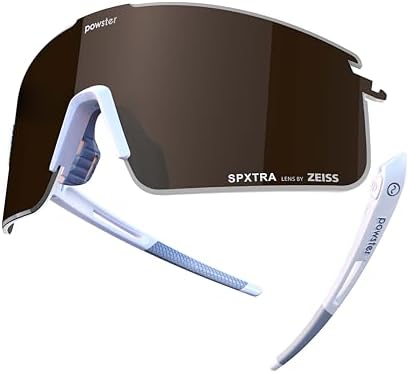
- TBB Score9.8
TrekBikesBlog (TBB) score is a ranking system that rates products on a scale of 1 to 10. The TrekBikesBlog score has no relationship or impact from any manufacturers or sales agent websites – it's an unbiased way to rate our products. Learn more
- BrandPowster

- TBB Score9.4
TrekBikesBlog (TBB) score is a ranking system that rates products on a scale of 1 to 10. The TrekBikesBlog score has no relationship or impact from any manufacturers or sales agent websites – it's an unbiased way to rate our products. Learn more
- BrandN/A

ROCKBROS Polarized Sports Sunglasses 4 Replaceable Lenses UV400, Black |
- TBB Score9.0
TrekBikesBlog (TBB) score is a ranking system that rates products on a scale of 1 to 10. The TrekBikesBlog score has no relationship or impact from any manufacturers or sales agent websites – it's an unbiased way to rate our products. Learn more
- BrandROCKBROS

- TBB Score8.2
TrekBikesBlog (TBB) score is a ranking system that rates products on a scale of 1 to 10. The TrekBikesBlog score has no relationship or impact from any manufacturers or sales agent websites – it's an unbiased way to rate our products. Learn more
- BrandSCVCN
Last update on 2026-11-25 / Affiliate links / Images, Product Titles, and Product Highlights from Amazon Product Advertising API
Riders on Unlit Rural Roads
On roads with no streetlights, your eyes get light only from your own front light and the occasional passing car. Every bit of tint costs you vision you cannot spare, so a clear lens with the highest transmission you can find is the right default. Look for lenses rated to pass about 85 to 95 percent of visible light, generous coverage that keeps your peripheral vision unobstructed, and a frame that sits close enough to block the cold air that makes eyes water at speed.
Commuters Riding Under Streetlights
City and suburban night riding is a mix of lit junctions, dark side streets and glare from oncoming headlights. A pale yellow or light amber lens suits this pattern because it trims the harsh edge of modern LED lights and makes curb edges and painted lines easier to pick out. If you are still comparing frame styles for mixed day and night use, our guide to the best cycling glasses covers the main shapes and fits in one place.
Dawn and Dusk Riders Who Cross Sunset
Many training rides start in daylight and finish in the dark, and carrying two pairs of glasses is a nuisance. Riders in this pattern do well with lenses that change with the light or with a frame that swaps lenses in seconds. A photochromic pair darkens on the way out and clears on the way home, while a two lens kit lets you click in a clear lens at the last rest stop. Either approach beats finishing a ride in sunglasses.
Lens Tint and Light Transmission
Light transmission is the single number that decides whether a lens works at night. Makers rate it as a percentage, and for true darkness you want the highest figure available, which usually means a clear lens or a very pale tint. Dark grey, mirrored and polarized daytime lenses can pass as little as 10 to 20 percent of light, which is fine at noon and genuinely risky at midnight. Check the stated transmission before you buy, because two lenses that look alike in a product photo can differ by 30 points or more.
Contrast on Dark Road Surfaces
Seeing the road is not only about brightness. At night you read the surface by contrast: the pale edge of a pothole, the shine of a wet patch, the dark line of a crack. Pale yellow and amber tints help many riders because they cut some blue light, which scatters the most, and leave edges looking crisper under headlights and streetlights. The gain is modest rather than magic, and it costs a little total light, so riders on truly unlit roads often prefer clear lenses and rely on a strong front light instead.
Venting and Fog Control
Cool night air plus warm breath and sweat is a recipe for fog. Lenses fog fastest on slow climbs and at traffic light stops, right when you can least afford to pull them off. Look for small vents along the top edge or brow bar, a frame shape that holds the lens a few millimeters off your face, and antifog coatings on the inside surface. A slight gap at the brow also lets moving air clear light mist once you are rolling again, without streaming cold air straight into your eyes.
Coverage, Wrap and Impact Protection
Night glasses are safety gear as much as vision aids. Insects, grit thrown up by tires and low branches all arrive without warning after dark, and a wide lens with a gentle wrap keeps them out of your eyes while protecting your peripheral view. Whatever style you pick, the best cycling glasses for night riding share this wide, close coverage. Choose polycarbonate lenses, which resist shattering on impact, and a frame that covers from brow to cheek. Riders who need vision correction should look at prescription cycling glasses, because contact lenses dry out quickly in cold night air for many people.
Fit With Helmets, Lights and Layers
A night fit has to work with everything else you wear after dark. Temple arms should slide under helmet straps without pressing, the nose piece should hold the lens steady when you look down at your light or computer, and the frame should not fight with a cap, headband or jacket collar. Try the glasses with your helmet on before you commit, and check that the top edge of the frame does not block your view when you ride in the drops with your head low.
Clear lenses are the honest default for night riding. They add no color shift, pass the most light, and cost the least, which is why most dedicated night glasses are simply clear. Their only weakness is glare: under bright streetlights or facing modern car headlights, a clear lens does nothing to soften the jump between lit pools of road and dark gaps between them.
Pale tints trade a small slice of light for calmer contrast, and photochromic lenses trade convenience for a lens that never quite reaches the clarity of a plain clear one. Photochromic lenses react to ultraviolet light, and since there is little UV after dark they settle near their lightest state, which still carries a faint tint on many models. If most of your riding is fully dark, choose clear or pale. If your rides regularly span sunset, the changing lens earns its place.
Dedicated clear lens glasses start at about $15 to $30, and at that level you get sound polycarbonate lenses and simple frames that do the core job well. Moving up to about $30 to $80 buys better antifog coatings, adjustable nose pieces and frames that swap lenses. Above about $80 you are paying for lighter frames, finer optics and brand name lens systems. Shoppers watching the total should browse the best budget cycling glasses guide, because night riding is one category where a modest price still buys real protection.
- Wearing your dark daytime sunglasses after sunset, which cuts the light reaching your eyes so sharply that potholes and wet patches disappear until you are on top of them.
- Assuming a photochromic lens turns completely clear at night, when most keep a faint tint that matters on unlit roads.
- Buying fashion frames with small flat lenses, which leave gaps that funnel cold air and road grit straight into your eyes.
- Skipping eye protection on warm nights because the air feels calm, even though insects and debris stay active after dark in many areas.
- Trusting glasses to make you visible to drivers, when eyewear only helps you see and does nothing to help traffic see you.
Scratches hurt night lenses more than daytime ones, because every scuff scatters your light beam and oncoming glare into a haze. Rinse grit off under water before you wipe, then dry with a clean microfiber cloth rather than a jersey or glove. Store the glasses in a hard case in your bag instead of loose in a pocket with keys and tools.
Keep antifog coatings away from strong solvents and household glass cleaners, which strip them. A drop of mild soap and lukewarm water is enough for routine cleaning. Check nose pads and temple grips each month, since a lens that slips down your nose at night pulls your eyes off the road each time you push it back up.
Do yellow lenses help cyclists see better at night?
Yellow lenses help some riders by softening glare and making road edges feel crisper under artificial light, but they do not create light that is not there. They pass slightly less light than a clear lens, so on roads with no streetlights a clear lens usually wins. If your night riding is mostly in town under lamps, a pale yellow lens is a reasonable comfort choice rather than a true vision upgrade.
Are photochromic lenses a good choice for night riding?
Photochromic lenses suit rides that start in daylight, but they rarely match a plain clear lens for full darkness. They respond to ultraviolet light, which is scarce at night, so they rest near their lightest state. That state still holds a slight tint on many models, and the lenses also need a few minutes to finish clearing after sunset, which is worth planning around on rides that end well after dark.
What light transmission should cycling glasses have for night riding?
For fully dark riding, look for lenses that pass about 80 percent of visible light or more, which makers often group in their clearest lens category. Pale tints for town use usually sit between about 60 and 85 percent. Below that range a lens is a daytime or bright conditions lens, whatever the product name suggests. The transmission figure appears in the spec sheet of most reputable makers, so compare that number rather than judging by how a lens looks in photos.
Can cycling glasses replace bike lights at night?
No. Glasses protect your eyes and sharpen your view, but they do not make you visible to drivers, and most states require a white front light and a red rear light or reflector after dark. Treat eyewear as one layer alongside working lights, reflective details on clothing, and road positioning that keeps you out of blind spots. Check your local rules, since light requirements and the hours they apply vary by state and city.
Why do my cycling glasses fog up more at night than during the day?
Night air is usually cooler and damper, and the gap between your skin temperature and the air is wider, so moisture condenses on the lens faster. Fogging spikes when you stop or climb slowly because airflow drops. Lifting the glasses a few millimeters off your face at stops, choosing a frame with brow vents, and avoiding breathing upward into a high collar all help. A helmet with a slightly higher brow line can also improve airflow across the lens.
Night riding rewards simple choices: the clearest lens you can get, a frame that seals out wind without fogging, and lights that handle the job of making you visible. Match the lens to your roads using the product table above, and the best cycling glasses for night riding for your routes will usually be the pair you forget you are wearing. Pair them with a charged front and rear light on every ride, and check local light laws before the season starts.

Best Bike Phone Mounts for Navigation and Safety

Best Action Camera for Snowboarding (2026): Cold, Mounts and Stabilization

Best Bike Seat for Men in 2026: Buying Guide and What to Check

Best Bike Pedals for Gravel in 2026: Buying Guide and What to Check

Best 8K Action Cameras (2026): What 8K Really Gets You on the Bike

Best Bike Lock for City in 2026: Buying Guide and What to Check

Best Bike Lock with Alarm in 2026: Buying Guide and What to Check

Best Bike Rack for Jeep in 2026: Buying Guide and What to Check










