Best Mountain Bike Tires for Every Trail Condition
Swapping worn-out mountain bike tires is one of the fastest ways to transform how a bike handles on the trail, yet it's also one of the more confusing purchases in the sport. Tread patterns, casings, and width numbers all sound similar until you're staring at a wall of options with no clear sense of what actually matters. The best mountain bike tires aren't necessarily the ones with the most five-star reviews online, they're the ones matched to your terrain, your riding style, and the rest of your bike's setup. This guide breaks down what actually separates a great tire from a mediocre one, without burying you in racing jargon you don't need.
Compare Products

- TBB Score9.6
TrekBikesBlog (TBB) score is a ranking system that rates products on a scale of 1 to 10. The TrekBikesBlog score has no relationship or impact from any manufacturers or sales agent websites – it's an unbiased way to rate our products. Learn more
- BrandN/A

- TBB Score8.8
TrekBikesBlog (TBB) score is a ranking system that rates products on a scale of 1 to 10. The TrekBikesBlog score has no relationship or impact from any manufacturers or sales agent websites – it's an unbiased way to rate our products. Learn more
- BrandN/A
- TBB Score8.8
TrekBikesBlog (TBB) score is a ranking system that rates products on a scale of 1 to 10. The TrekBikesBlog score has no relationship or impact from any manufacturers or sales agent websites – it's an unbiased way to rate our products. Learn more
- BrandN/A

- TBB Score8.4
TrekBikesBlog (TBB) score is a ranking system that rates products on a scale of 1 to 10. The TrekBikesBlog score has no relationship or impact from any manufacturers or sales agent websites – it's an unbiased way to rate our products. Learn more
- BrandN/A

- TBB Score8.8
TrekBikesBlog (TBB) score is a ranking system that rates products on a scale of 1 to 10. The TrekBikesBlog score has no relationship or impact from any manufacturers or sales agent websites – it's an unbiased way to rate our products. Learn more
- BrandN/A

- TBB Score8.8
TrekBikesBlog (TBB) score is a ranking system that rates products on a scale of 1 to 10. The TrekBikesBlog score has no relationship or impact from any manufacturers or sales agent websites – it's an unbiased way to rate our products. Learn more
- BrandN/A

- TBB Score9.0
TrekBikesBlog (TBB) score is a ranking system that rates products on a scale of 1 to 10. The TrekBikesBlog score has no relationship or impact from any manufacturers or sales agent websites – it's an unbiased way to rate our products. Learn more
- BrandN/A

- TBB Score9.6
TrekBikesBlog (TBB) score is a ranking system that rates products on a scale of 1 to 10. The TrekBikesBlog score has no relationship or impact from any manufacturers or sales agent websites – it's an unbiased way to rate our products. Learn more
- BrandN/A

- TBB Score9.0
TrekBikesBlog (TBB) score is a ranking system that rates products on a scale of 1 to 10. The TrekBikesBlog score has no relationship or impact from any manufacturers or sales agent websites – it's an unbiased way to rate our products. Learn more
- BrandRUHUO

- TBB Score9.6
TrekBikesBlog (TBB) score is a ranking system that rates products on a scale of 1 to 10. The TrekBikesBlog score has no relationship or impact from any manufacturers or sales agent websites – it's an unbiased way to rate our products. Learn more
- BrandN/A

- TBB Score9.6
TrekBikesBlog (TBB) score is a ranking system that rates products on a scale of 1 to 10. The TrekBikesBlog score has no relationship or impact from any manufacturers or sales agent websites – it's an unbiased way to rate our products. Learn more
- BrandN/A
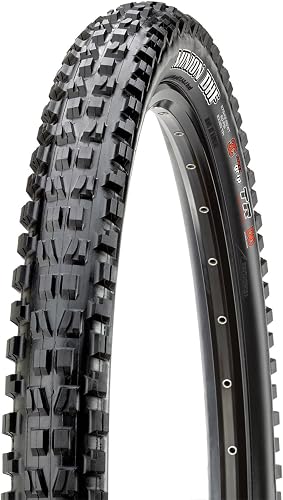
- TBB Score9.6
TrekBikesBlog (TBB) score is a ranking system that rates products on a scale of 1 to 10. The TrekBikesBlog score has no relationship or impact from any manufacturers or sales agent websites – it's an unbiased way to rate our products. Learn more
- BrandN/A
Last update on 2026-10-10 / Affiliate links / Images, Product Titles, and Product Highlights from Amazon Product Advertising API
Tread pattern is the first thing to sort out, because it decides how much traction you get before anything else about the tire matters. Riders often assume a more aggressive tread is always better, but a tire covered in tall, widely spaced knobs on hardpack or gravel actually squirms and wastes energy compared to a tire designed for that surface.
Loose and Technical Terrain
Trails with loose dirt, roots, or rock gardens call for taller knobs with more spacing between them. The gaps let mud and debris clear out instead of packing in, and the extra height digs into soft ground for grip you can actually feel through the bars.
Hardpack and Dry Conditions
On firm, dry trails, low-profile tread with knobs set closer together rolls faster and still grips fine, since there's less need to bite into anything. Choosing an aggressive mud tire for hardpack riding just adds rolling resistance and noise without a real traction benefit.
Width affects comfort, cornering grip, and how forgiving a tire feels over chatter, and it's a decision that depends heavily on your wheel size and riding style rather than a single correct number.
Narrower Tires for Speed
Cross-country riders often lean toward narrower widths because they accelerate quicker and carry less rotational weight, which matters over long climbs and fast, flowing singletrack where outright cushion is less of a priority.
Wider Tires for Confidence
Trail and enduro riders typically size up, since a wider tire runs at lower pressure without folding under hard cornering, adding cushion over roots and rock without sacrificing much control. The trade-off is a small increase in weight and rolling resistance.
Most mountain bike tires sold today are tubeless-ready, and for good reason: running lower pressure without pinch-flatting opens up a level of grip and comfort tubed setups can't match.
Why Riders Switch to Tubeless
Removing the tube eliminates the most common cause of flats on the trail, since sealant inside the tire seals small punctures on the spot. Lower pressure is possible too, which improves grip and comfort on rough terrain. Whichever setup you run, pair it with a reliable bike pump so you can adjust pressure trailside without guessing.
When Tubes Still Make Sense
Not every rim is tubeless compatible, and tubes remain a reliable backup for anyone who doesn't want to deal with sealant maintenance or rim tape. If your wheels aren't tubeless-ready, look for tires that still perform well with a tube installed rather than assuming every tire is optimized for that setup.
The casing is the fabric layer beneath the rubber, and it determines how resistant the tire is to cuts, pinches, and sidewall damage, especially on rocky or root-covered trails.
Lighter casings shave weight and feel snappier, which suits smoother trails or riders who prioritize speed over durability. Reinforced casings add a layer of protection against sidewall cuts and are worth the extra weight if you regularly ride rocky, technical terrain where a slice can end a ride early. Some riders run a tougher casing up front, where impacts are more likely, and a lighter one in back to balance weight and protection sensibly across the bike.
Compound choice is where the best mountain bike tires quietly separate themselves from mediocre ones, since it affects grip, wear rate, and how much effort it takes to pedal, often more than tread pattern alone.
Softer compounds grip better on wet roots, rock, and off-camber terrain, but they wear down faster and add rolling resistance on longer rides. Harder compounds last longer and roll more efficiently, which suits dry, hardpack trails where outright grip matters less. Many tires use a dual or triple compound, with a harder base for durability and a softer layer on the outer knobs for cornering grip, giving you a reasonable middle ground without picking one extreme.
What size mountain bike tire do I need?
Tire size is tied to your wheel diameter, most commonly 27.5 or 29 inch on modern mountain bikes, and that number has to match regardless of tread choice. Width is more flexible and depends on your riding style, but always check your frame and fork clearance before sizing up.
How often should mountain bike tires be replaced?
Most riders get one to three seasons out of a rear tire and longer from the front, since the rear wears faster under braking and power. Watch for squared-off tread, exposed casing threads, or a noticeable drop in cornering grip as signs it's time to replace them.
Can I mix tread patterns front and rear?
Yes, and many experienced riders do it on purpose. A more aggressive front tire for steering confidence paired with a faster-rolling rear tire is a common combination that balances grip where you need it most with efficiency everywhere else.
What tire pressure should I run?
Pressure depends on your weight, tire width, and whether you're running tubeless, but most trail riders land somewhere in a lower range than road tires require. Start conservative, then drop pressure in small increments until the tire feels planted without squirming in corners.
Do wider mountain bike tires slow you down?
Wider tires do add some rolling resistance and weight, but the difference is usually smaller than riders expect, and the added grip and comfort often make up for it on technical terrain. On smooth, fast trails, the gap becomes more noticeable.
Is tubeless worth the extra setup effort?
For most trail and enduro riders, yes. The ability to run lower pressure and shrug off small punctures pays off quickly once you're riding rougher terrain regularly. Casual riders on smoother paths may not notice enough benefit to justify the maintenance.
There's no single tire that works best for every trail, and that's actually good news, because it means you can dial in a setup that matches exactly how and where you ride. Start with your terrain and riding style, then work through tread, width, casing, and compound in that order. Getting the best mountain bike tires for your setup often comes down to matching these details rather than chasing a specific name on the sidewall, and once you find the right combination, you'll notice the difference on your very next ride.


Best Cycling Gloves: What Actually Matters Before You Buy

Best Bike Repair Stands for Home Maintenance

Best Black Friday Bike Trainers: What to Buy and How to Spot a Real Deal

Best Bike Storage Racks for Garage: Specs, Picks & Buying Guide

The Best Indoor Bike Trainers: Our Top Picks & What Matters

The Best Bike Wall Mounts: Our Top Picks & What Matters

The Best Exercise Bikes for New Year Resolutions: Our Top Picks & What Matters

Best Power Meters: Where to Mount and What to Trust