Best Mountain Bike Handlebars for Your Riding Style
Handlebars quietly shape how a bike handles more than almost any other component, yet they're often overlooked until something feels off. Width, rise, and sweep all interact with your riding position, and the wrong combination can leave you feeling cramped or unstable exactly when you need confidence most. The best mountain bike handlebars aren't about chasing the widest or lightest option on the shelf, they're about matching geometry to your body and the trails you actually ride. This guide walks through the specs that matter so you can make a change that actually improves your bike instead of just changing how it looks.
Compare Products

- TBB Score9.6
TrekBikesBlog (TBB) score is a ranking system that rates products on a scale of 1 to 10. The TrekBikesBlog score has no relationship or impact from any manufacturers or sales agent websites – it's an unbiased way to rate our products. Learn more
- BrandN/A

- TBB Score9.4
TrekBikesBlog (TBB) score is a ranking system that rates products on a scale of 1 to 10. The TrekBikesBlog score has no relationship or impact from any manufacturers or sales agent websites – it's an unbiased way to rate our products. Learn more
- BrandN/A

- TBB Score9.4
TrekBikesBlog (TBB) score is a ranking system that rates products on a scale of 1 to 10. The TrekBikesBlog score has no relationship or impact from any manufacturers or sales agent websites – it's an unbiased way to rate our products. Learn more
- BrandN/A

- TBB Score9.4
TrekBikesBlog (TBB) score is a ranking system that rates products on a scale of 1 to 10. The TrekBikesBlog score has no relationship or impact from any manufacturers or sales agent websites – it's an unbiased way to rate our products. Learn more
- BrandN/A
- TBB Score9.2
TrekBikesBlog (TBB) score is a ranking system that rates products on a scale of 1 to 10. The TrekBikesBlog score has no relationship or impact from any manufacturers or sales agent websites – it's an unbiased way to rate our products. Learn more
- BrandN/A

- TBB Score9.8
TrekBikesBlog (TBB) score is a ranking system that rates products on a scale of 1 to 10. The TrekBikesBlog score has no relationship or impact from any manufacturers or sales agent websites – it's an unbiased way to rate our products. Learn more
- BrandN/A
- TBB Score9.6
TrekBikesBlog (TBB) score is a ranking system that rates products on a scale of 1 to 10. The TrekBikesBlog score has no relationship or impact from any manufacturers or sales agent websites – it's an unbiased way to rate our products. Learn more
- BrandN/A

- TBB Score9.2
TrekBikesBlog (TBB) score is a ranking system that rates products on a scale of 1 to 10. The TrekBikesBlog score has no relationship or impact from any manufacturers or sales agent websites – it's an unbiased way to rate our products. Learn more
- BrandN/A

- TBB Score9.8
TrekBikesBlog (TBB) score is a ranking system that rates products on a scale of 1 to 10. The TrekBikesBlog score has no relationship or impact from any manufacturers or sales agent websites – it's an unbiased way to rate our products. Learn more
- BrandN/A

- TBB Score8.8
TrekBikesBlog (TBB) score is a ranking system that rates products on a scale of 1 to 10. The TrekBikesBlog score has no relationship or impact from any manufacturers or sales agent websites – it's an unbiased way to rate our products. Learn more
- BrandN/A

- TBB Score8.8
TrekBikesBlog (TBB) score is a ranking system that rates products on a scale of 1 to 10. The TrekBikesBlog score has no relationship or impact from any manufacturers or sales agent websites – it's an unbiased way to rate our products. Learn more
- BrandN/A

- TBB Score8.6
TrekBikesBlog (TBB) score is a ranking system that rates products on a scale of 1 to 10. The TrekBikesBlog score has no relationship or impact from any manufacturers or sales agent websites – it's an unbiased way to rate our products. Learn more
- BrandN/A

- TBB Score9.2
TrekBikesBlog (TBB) score is a ranking system that rates products on a scale of 1 to 10. The TrekBikesBlog score has no relationship or impact from any manufacturers or sales agent websites – it's an unbiased way to rate our products. Learn more
- BrandN/A
Last update on 2026-10-16 / Affiliate links / Images, Product Titles, and Product Highlights from Amazon Product Advertising API
Most trail riders do best with a 780 mm riser bar with moderate backsweep, trimmed to fit. These three cover carbon, comfort and value.
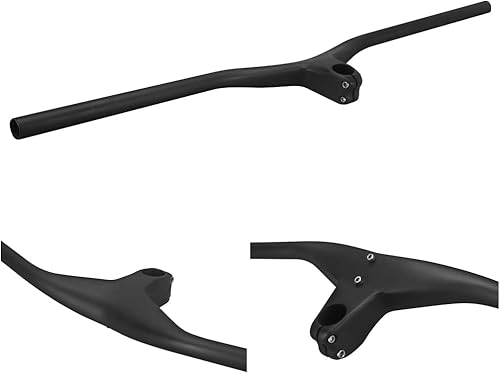
Best carbon upgrade: the PNW Components Loam Carbon Handlebar, around $159, saves weight and damps trail chatter.
Best for comfort: the Ergotec Riser Bar 70, around $84, combines a 780 mm width, 70 mm rise and 12 degree backsweep for a more upright, wrist friendly position.
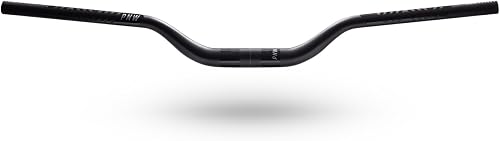
Best all round aluminum bar: the RaceFace Atlas, around $80, uses a 31.8 mm clamp, 785 mm width and 1.25 inch rise, a classic trail and enduro setup.
Width affects leverage, stability, and how easily you can maneuver between trees and tight switchbacks, and the right number depends heavily on the terrain you ride most.
Wider bars offer more leverage and stability at speed on open, fast trails, which is why many trail and enduro riders run wider setups. Narrower bars fit better through tight, technical terrain with obstacles close together, and some cross country riders prefer them for a more aerodynamic, focused riding position on long climbs.
Shoulder width and riding posture both play into the right number just as much as trail type. Two riders on the same trail can reasonably prefer bars that differ by an inch or more, so treat published width recommendations as a starting point rather than a fixed rule.
Rise refers to how much the bar height sits above the stem clamp, and it changes your body position more than most riders expect from a small height difference. Stem length and angle can shift some of this too, so treat rise as one part of a bigger positioning picture rather than the only lever available.
Flat or Low Rise Bars
These keep your weight forward and low, which suits aggressive, aerodynamic riding positions favored by racers who prioritize climbing efficiency over comfort.
High Rise Bars
More rise brings your hands up and back slightly, opening your chest and improving control on steep, technical descents. Many trail and enduro riders prefer extra rise for the confidence it adds on rough terrain.
These two angles determine how your wrists and forearms line up with the bar, and getting them wrong can cause discomfort that's easy to mistake for a fit problem elsewhere.
Backsweep angles your hands slightly inward toward your body, matching the natural angle of your wrists better than a straight bar would. Upsweep tilts the grip ends upward slightly, which affects overall hand and wrist comfort during long rides. Small differences here can meaningfully change how a bar feels, even between two bars with identical width and rise.
If a bar consistently causes wrist or elbow discomfort even after adjusting your fit elsewhere, sweep angle is often the overlooked culprit. Checking a demo bike with different sweep specs before buying can save you from an expensive trial and error process.
Material choice affects weight, ride feel, and how the bar handles impact, and there's a real trade off between the two most common options.
Aluminum bars are more affordable and generally more forgiving of minor scratches and dings from crashes, making them a solid choice for aggressive riders who crash occasionally. Carbon bars are lighter and dampen trail vibration more effectively, but they can fail without obvious warning signs after a hard impact, so they need more careful inspection after any significant crash.
For riders who crash frequently while learning new terrain, sticking with aluminum until your skills catch up to your ambitions is a reasonable, budget friendly approach before investing in a carbon upgrade.
Before buying, make sure the bar's clamp diameter matches your stem, since this is one of the most common compatibility mistakes riders make.
Most modern mountain bikes use a larger standard clamp diameter for improved stiffness, though some setups still use the older, smaller size. Mixing the two without an adapter simply won't work, so confirm compatibility before ordering, since even the best mountain bike handlebars are useless if they don't fit your stem. Keep a torque specific multi tool on hand too, since bar bolts need precise torque to avoid over tightening carbon.
How do I know what handlebar width is right for me?
A rough starting point is shoulder width plus a bit extra for control, but trail type matters too. Many riders start slightly wider than feels natural and trim the ends down in small increments until the width feels balanced.
Can I cut down a wide handlebar myself?
Yes, most aluminum and many carbon bars can be trimmed evenly from both ends using a proper cutting guide and the appropriate saw for the material. Cut small amounts at a time and test ride between cuts since you can't add width back.
Does more rise slow me down on climbs?
Slightly, since a more upright position isn't as aerodynamic, but the difference is usually minor compared to the control benefits on technical trails. Most trail riders find the trade off well worth it.
Are carbon handlebars safe after a crash?
Carbon bars should always be inspected closely after any hard impact, since damage isn't always visible on the surface. If you notice any cracking, unusual flex, or creaking sounds, replace the bar rather than risking a failure mid ride.
What's the difference between backsweep and upsweep?
Backsweep angles the grips inward toward your body when viewed from above, while upsweep tilts the grip ends upward when viewed from the front. Both affect wrist comfort, and most bars combine some amount of each.
Do I need a new stem when changing handlebars?
Only if the clamp diameters don't match between your new bar and current stem. If they match, you can typically reuse your existing stem without any other changes.
Handlebars are a relatively inexpensive upgrade with an outsized effect on comfort and control. Start with width and rise based on your riding style, then fine tune sweep angle and material once you know what feels right. Taking the time to find the best mountain bike handlebars for your body and terrain often does more for your riding than a far more expensive component upgrade would.


Best Bike Locks: What Actually Stops Theft

Best Bike Lights: Lumens, Beam Pattern, and Runtime

Best Bike Trailers: Hitch Fit, Weight, and Safety

Best Bike Trainers: Direct Drive vs Wheel-On Explained

Best Electric Bike Pumps: Matching the Right Model to Your Routine

Best Cycling Jerseys: Fabric, Fit, and Storage That Work While Riding

Best Mountain Bike Tires for Every Trail Condition

Best Cycling Gloves: What Actually Matters Before You Buy