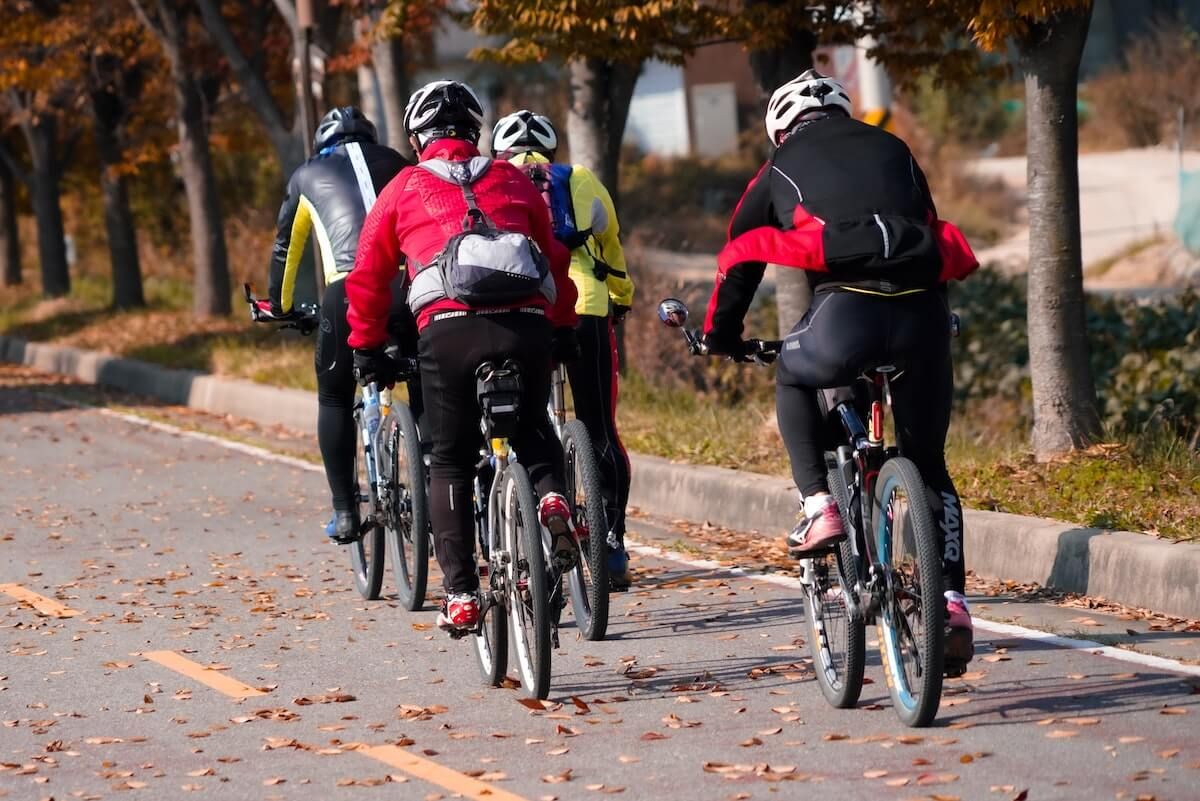
Best Cycling Jerseys: Fabric, Fit, and Storage That Work While Riding
A jersey that flaps in the wind or soaks through and stays wet turns a good ride into a miserable one fast. The best cycling jerseys are built specifically for the position and effort of riding, using fabric that moves sweat away from skin, a fit close enough to avoid drag without restricting your breathing, and pockets placed where you can actually reach them on the move. Casual t-shirts and running gear simply aren't built for the same demands. This guide covers what separates a jersey worth wearing on every ride from one that ends up at the back of a drawer.
Compare Products

- TBB Score8.6
TrekBikesBlog (TBB) score is a ranking system that rates products on a scale of 1 to 10. The TrekBikesBlog score has no relationship or impact from any manufacturers or sales agent websites – it's an unbiased way to rate our products. Learn more
- BrandN/A
- TBB Score8.6
TrekBikesBlog (TBB) score is a ranking system that rates products on a scale of 1 to 10. The TrekBikesBlog score has no relationship or impact from any manufacturers or sales agent websites – it's an unbiased way to rate our products. Learn more
- BrandN/A

- TBB Score8.6
TrekBikesBlog (TBB) score is a ranking system that rates products on a scale of 1 to 10. The TrekBikesBlog score has no relationship or impact from any manufacturers or sales agent websites – it's an unbiased way to rate our products. Learn more
- BrandN/A

- TBB Score9.6
TrekBikesBlog (TBB) score is a ranking system that rates products on a scale of 1 to 10. The TrekBikesBlog score has no relationship or impact from any manufacturers or sales agent websites – it's an unbiased way to rate our products. Learn more
- BrandN/A
- TBB Score8.8
TrekBikesBlog (TBB) score is a ranking system that rates products on a scale of 1 to 10. The TrekBikesBlog score has no relationship or impact from any manufacturers or sales agent websites – it's an unbiased way to rate our products. Learn more
- BrandN/A
- TBB Score8.8
TrekBikesBlog (TBB) score is a ranking system that rates products on a scale of 1 to 10. The TrekBikesBlog score has no relationship or impact from any manufacturers or sales agent websites – it's an unbiased way to rate our products. Learn more
- BrandN/A

- TBB Score9.0
TrekBikesBlog (TBB) score is a ranking system that rates products on a scale of 1 to 10. The TrekBikesBlog score has no relationship or impact from any manufacturers or sales agent websites – it's an unbiased way to rate our products. Learn more
- BrandN/A

- TBB Score8.6
TrekBikesBlog (TBB) score is a ranking system that rates products on a scale of 1 to 10. The TrekBikesBlog score has no relationship or impact from any manufacturers or sales agent websites – it's an unbiased way to rate our products. Learn more
- BrandN/A

- TBB Score8.8
TrekBikesBlog (TBB) score is a ranking system that rates products on a scale of 1 to 10. The TrekBikesBlog score has no relationship or impact from any manufacturers or sales agent websites – it's an unbiased way to rate our products. Learn more
- BrandN/A

- TBB Score8.8
TrekBikesBlog (TBB) score is a ranking system that rates products on a scale of 1 to 10. The TrekBikesBlog score has no relationship or impact from any manufacturers or sales agent websites – it's an unbiased way to rate our products. Learn more
- BrandN/A

- TBB Score8.6
TrekBikesBlog (TBB) score is a ranking system that rates products on a scale of 1 to 10. The TrekBikesBlog score has no relationship or impact from any manufacturers or sales agent websites – it's an unbiased way to rate our products. Learn more
- BrandN/A

- TBB Score9.4
TrekBikesBlog (TBB) score is a ranking system that rates products on a scale of 1 to 10. The TrekBikesBlog score has no relationship or impact from any manufacturers or sales agent websites – it's an unbiased way to rate our products. Learn more
- BrandN/A
Last update on 2026-10-11 / Affiliate links / Images, Product Titles, and Product Highlights from Amazon Product Advertising API
Polyester dominates cycling jersey fabric because it's lightweight, dries fast, and wicks sweat away from skin efficiently, keeping you from carrying extra water weight in soaked fabric on long rides. It's also durable and holds color well through repeated washing, which matters for a piece of gear that gets sweated in constantly.
Merino wool has grown popular among riders who prioritize odor resistance and temperature regulation over pure speed of drying, since wool naturally resists bacteria buildup and stays comfortable across a wider temperature range than synthetic fabric. It costs more and takes longer to dry than polyester, which makes it a better fit for multi-day tours than back-to-back hard training days.
Race-cut jerseys fit snug through the torso and arms, minimizing fabric flap at speed and improving aerodynamics, but that tight fit can feel restrictive to riders who aren't used to it or who don't fit the typical athletic build the cut is designed around. Club-cut jerseys ease that fit slightly, offering a middle ground that's still fitted enough to avoid excess flapping while feeling less second-skin than a race cut.
Relaxed-fit jerseys skip the aerodynamic priority entirely in favor of comfort and a more casual, less clingy silhouette, which suits recreational riders and anyone who finds tighter cuts uncomfortable. None of these fits is objectively better since the right choice depends entirely on your riding intensity and personal comfort preference. For most weekend riders shopping for the best cycling jerseys, a club cut ends up being the safer starting point before committing to a full race fit.
Rear pockets sit along the lower back for a reason: that's the spot you can reach without taking a hand off the bars for long, and it keeps weight low and centered rather than bouncing around your torso. Most jerseys carry three rear pockets, enough for a phone, food, and a light layer, with some adding a smaller zippered pocket for keys or a card that you don't want falling out on rough terrain.
Pocket depth and elastic tension matter as much as pocket count. Shallow pockets or loose elastic let items bounce out on bumpy descents, which is a frustrating way to lose a phone or set of keys mid-ride. Riders who carry more gear, like commuters or all-day tourers, should look for jerseys with reinforced pocket stitching built to handle regular heavier loads.
Summer jerseys use lighter, more open-weave fabric and often add mesh panels under the arms or along the back for extra airflow during hot, high-effort rides. Winter and shoulder-season jerseys trade some breathability for a brushed inner fleece layer or wind-resistant front panel, holding in warmth without needing a bulky jacket for moderately cool rides.
Full-zip fronts on either type give you on-the-fly temperature control, since you can vent heat on a climb and zip back up on a fast descent. That kind of adjustability matters more than most riders expect once temperatures swing over the course of a single ride, which is common on longer rides that start cold and warm up through the day.
Cycling jerseys run noticeably tighter than casual shirts, and first-time buyers are often surprised by how snug their normal size feels. Sizing charts based on chest and waist measurement are more reliable than guessing from a t-shirt size, especially when shopping between different brands whose sizing can vary meaningfully.
Riders who prefer a looser feel, or who aren't chasing aerodynamic gains, often do better sizing up one size from the chart recommendation rather than forcing a race-cut fit that restricts breathing on hard efforts. Trying a jersey on in your actual riding position, leaned forward with arms extended, gives a much more accurate read on fit than checking it standing upright in a mirror.
What fabric is best for a cycling jersey?
Polyester is the most common choice for its fast drying and moisture-wicking properties. Merino wool suits riders who prioritize odor resistance and temperature range over quick drying, particularly on multi-day trips.
Should a cycling jersey fit tight or loose?
Cycling jerseys are designed to fit snugger than casual shirts to reduce wind drag, but comfort matters too. If a race-cut fit feels restrictive, sizing up or choosing a relaxed-fit jersey is a reasonable adjustment.
How many pockets should a cycling jersey have?
Three rear pockets is standard and covers most riders' needs for food, a phone, and a light layer. Riders carrying more gear may want a jersey with an added zippered pocket for security.
Can I wear a cycling jersey in cold weather?
Standard summer jerseys aren't warm enough alone in cold conditions, but winter-specific jerseys with a brushed fleece lining or added layers underneath extend a jersey's usable temperature range considerably.
Do cycling jerseys need to be washed differently than regular clothes?
Cold water and a gentle cycle help preserve fabric elasticity and wicking performance longer. Fabric softener should generally be avoided since it can clog the fabric's moisture-wicking properties over time.
Is a full-zip or half-zip jersey better?
Full-zip jerseys offer more temperature control since they can be opened fully for ventilation, while half-zip designs are simpler and slightly lighter. Most riders benefit more from the flexibility of a full zip.
Fabric and fit matter more day to day than any other spec, since a jersey you're not comfortable wearing for hours doesn't matter how well it's designed on paper. Once those fundamentals are dialed in, the best cycling jerseys come down to matching pocket capacity and seasonal weight to the rides you actually do.


Best Mountain Bike Tires for Every Trail Condition

Best Cycling Gloves: What Actually Matters Before You Buy

Best Bike Repair Stands for Home Maintenance

Best Black Friday Bike Trainers: What to Buy and How to Spot a Real Deal

Best Bike Storage Racks for Garage: Specs, Picks & Buying Guide

The Best Indoor Bike Trainers: Our Top Picks & What Matters

The Best Bike Wall Mounts: Our Top Picks & What Matters

The Best Exercise Bikes for New Year Resolutions: Our Top Picks & What Matters