Best Bike Trailers: Hitch Fit, Weight, and Safety
Whether you're hauling a toddler to daycare or groceries home from the store, a bike trailer only works if it actually fits your bike and safely carries what you're putting in it. The best bike trailers range from simple single wheel cargo haulers to fully enclosed, suspension equipped child carriers, and the right pick depends far more on what and who you're transporting than on any single feature list. Getting the hitch compatibility and weight rating right matters more here than almost any other bike accessory, since a mismatch is a genuine safety issue rather than just an inconvenience.
Compare Products

- TBB Score9.6
TrekBikesBlog (TBB) score is a ranking system that rates products on a scale of 1 to 10. The TrekBikesBlog score has no relationship or impact from any manufacturers or sales agent websites – it's an unbiased way to rate our products. Learn more
- BrandN/A
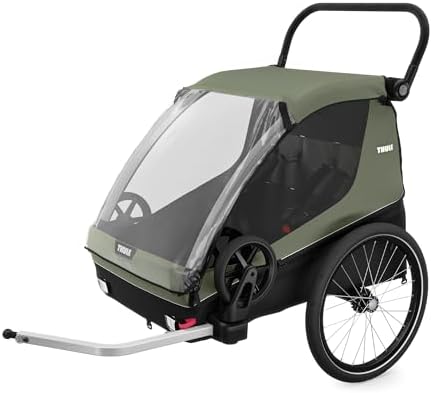
Thule Courier Child Bike Trailer, 100lb Total Capacity, Fits 2
- TBB Score9.0
TrekBikesBlog (TBB) score is a ranking system that rates products on a scale of 1 to 10. The TrekBikesBlog score has no relationship or impact from any manufacturers or sales agent websites – it's an unbiased way to rate our products. Learn more
- BrandThule

- TBB Score9.0
TrekBikesBlog (TBB) score is a ranking system that rates products on a scale of 1 to 10. The TrekBikesBlog score has no relationship or impact from any manufacturers or sales agent websites – it's an unbiased way to rate our products. Learn more
- BrandN/A

- TBB Score9.2
TrekBikesBlog (TBB) score is a ranking system that rates products on a scale of 1 to 10. The TrekBikesBlog score has no relationship or impact from any manufacturers or sales agent websites – it's an unbiased way to rate our products. Learn more
- BrandN/A

- TBB Score9.2
TrekBikesBlog (TBB) score is a ranking system that rates products on a scale of 1 to 10. The TrekBikesBlog score has no relationship or impact from any manufacturers or sales agent websites – it's an unbiased way to rate our products. Learn more
- BrandSchwinn

- TBB Score9.0
TrekBikesBlog (TBB) score is a ranking system that rates products on a scale of 1 to 10. The TrekBikesBlog score has no relationship or impact from any manufacturers or sales agent websites – it's an unbiased way to rate our products. Learn more
- BrandBurley Design

- TBB Score9.8
TrekBikesBlog (TBB) score is a ranking system that rates products on a scale of 1 to 10. The TrekBikesBlog score has no relationship or impact from any manufacturers or sales agent websites – it's an unbiased way to rate our products. Learn more
- BrandN/A

- TBB Score9.0
TrekBikesBlog (TBB) score is a ranking system that rates products on a scale of 1 to 10. The TrekBikesBlog score has no relationship or impact from any manufacturers or sales agent websites – it's an unbiased way to rate our products. Learn more
- BrandBurley Design

- TBB Score8.6
TrekBikesBlog (TBB) score is a ranking system that rates products on a scale of 1 to 10. The TrekBikesBlog score has no relationship or impact from any manufacturers or sales agent websites – it's an unbiased way to rate our products. Learn more
- BrandN/A

- TBB Score9.4
TrekBikesBlog (TBB) score is a ranking system that rates products on a scale of 1 to 10. The TrekBikesBlog score has no relationship or impact from any manufacturers or sales agent websites – it's an unbiased way to rate our products. Learn more
- BrandSchwinn

- TBB Score9.4
TrekBikesBlog (TBB) score is a ranking system that rates products on a scale of 1 to 10. The TrekBikesBlog score has no relationship or impact from any manufacturers or sales agent websites – it's an unbiased way to rate our products. Learn more
- BrandAosom

- TBB Score9.6
TrekBikesBlog (TBB) score is a ranking system that rates products on a scale of 1 to 10. The TrekBikesBlog score has no relationship or impact from any manufacturers or sales agent websites – it's an unbiased way to rate our products. Learn more
- BrandSchwinn

- TBB Score9.2
TrekBikesBlog (TBB) score is a ranking system that rates products on a scale of 1 to 10. The TrekBikesBlog score has no relationship or impact from any manufacturers or sales agent websites – it's an unbiased way to rate our products. Learn more
- BrandInstep

- TBB Score9.2
TrekBikesBlog (TBB) score is a ranking system that rates products on a scale of 1 to 10. The TrekBikesBlog score has no relationship or impact from any manufacturers or sales agent websites – it's an unbiased way to rate our products. Learn more
- BrandSepnine
Last update on 2026-10-14 / Affiliate links / Images, Product Titles, and Product Highlights from Amazon Product Advertising API
Most families should choose a two seat child trailer that converts to a stroller, while pet owners need a dedicated pet trailer. These three stand out.
Best overall: the Burley D'Lite X, around $1,000, carries one or two kids and converts into a stroller for walks at your destination.
Best value two seat trailer: the Burley Encore X, around $700, offers two seats and stroller conversion at a lower price.
Best for families who also haul gear: the Thule Courier, around $800, has a 100 pound total capacity, fits two kids and includes a cargo mode with a sturdy floor and attachment points.
Every bike trailer attaches through some kind of hitch at the rear axle or frame, and getting this wrong is the most common mistake first time buyers make. Standard quick release axles, thru axles, and bolt on rear wheels each need a slightly different hitch adapter, so check your bike's exact axle type before ordering rather than assuming a universal fit.
Some hitches attach at the rear axle itself, while others clamp to the frame near the seat stay, which can matter if you ride a bike with an unusual frame shape or an integrated rear rack. When in doubt, measure your axle diameter and confirm compatibility against the trailer's listed specs rather than guessing.
Weight ratings on bike trailers are not all measured the same way, and this trips up a lot of buyers. A trailer's total weight capacity usually includes both the child or cargo plus any gear packed alongside, and child trailers separately list a maximum child weight that's often lower than the trailer's overall limit.
Cargo bike trailers built for hauling groceries, gear, or work equipment tend to have simpler, higher overall weight limits since there's no separate child safety rating to account for. Whichever type you're buying, check both numbers rather than assuming the headline capacity applies directly to what you plan to carry.
A single child trailer is narrower, lighter, and easier to maneuver through tight paths or narrow doorways, making it the better choice if you're only ever hauling one child. Double trailers are wider and heavier, which adds noticeably more resistance while pedaling, but they solve the real problem of needing to transport two kids at once without a second trip.
Width matters beyond just handling, too, since some bike paths and trail systems have gates or barriers that a double trailer simply won't fit through. If you frequently ride routes with narrow passages, check trailer width against those constraints before buying the larger option.
A trailer with suspension absorbs bumps and rough pavement far better than a rigid frame, which matters a lot for child comfort on anything other than smooth, paved paths. If most of your riding happens on gravel, unpaved trails, or rough sidewalks, suspension is worth prioritizing over trailers that skip it to save weight or cost.
Weather protection, usually a zippered canopy or rain cover, keeps kids dry and shielded from wind, while a mesh window option helps with airflow on warmer days. A bright flag and rear reflectors or lights significantly improve visibility to drivers, since a low trailer sitting behind your bike is easy to miss in traffic without them.
Towing any trailer shifts your bike's balance and adds noticeable weight behind the rear wheel, which changes how it responds when turning, braking, and starting from a stop. Practice in an empty parking lot before riding in traffic with a loaded trailer for the first time, especially if you're carrying a child, since the extra length and weight take some getting used to.
A low center of gravity in the trailer itself helps keep it stable on turns, and a wider wheelbase generally tracks straighter at speed than a narrow one. If you plan to ride hilly routes regularly, factor in that a loaded trailer adds real resistance on climbs and extra momentum to control on descents, both worth trying before committing to longer rides.
How do I know if a bike trailer will fit my bike?
Check your rear axle type, quick release, thru axle, or bolt on, against the trailer's listed hitch compatibility before buying. Most trailers include an adapter for common axle types, but unusual frames or integrated racks may need extra checking.
What weight can a bike trailer carry?
This varies by model, typically 40 to 100 pounds total, but child trailers separately cap the maximum child weight, which is often lower than the trailer's overall capacity. Always check both numbers for the specific trailer you're considering.
Is a single or double child trailer better?
A single trailer is lighter, narrower, and easier to handle if you only need to carry one child. A double trailer is wider and heavier but necessary if you regularly transport two kids at once.
Do bike trailers need suspension?
It's not required for smooth, paved routes, but suspension noticeably improves comfort on gravel, rough sidewalks, or unpaved trails, which matters most when carrying a child rather than cargo.
Can I use a cargo trailer to carry a child?
This isn't recommended unless the trailer is specifically rated and safety certified for carrying children, since cargo trailers typically lack the harness systems and structural safety features built into dedicated child trailers.
What age is appropriate for a bike trailer?
Most manufacturers set a minimum age around one year old, once a child can sit upright unsupported and safely wear a helmet. Always check the specific trailer's age and weight guidance rather than assuming a general rule applies.
Start with your bike's axle type and confirm real compatibility before looking at anything else, since a trailer that won't attach makes every other feature irrelevant. From there, match weight capacity, single versus double capacity, and suspension needs to what you're actually transporting rather than the most fully loaded model on the shelf, and you'll end up with a trailer that genuinely fits your rides.


Best Bike Trainers: Direct Drive vs Wheel-On Explained

Best Electric Bike Pumps: Matching the Right Model to Your Routine

Best Cycling Jerseys: Fabric, Fit, and Storage That Work While Riding

Best Mountain Bike Tires for Every Trail Condition

Best Cycling Gloves: What Actually Matters Before You Buy

Best Bike Repair Stands for Home Maintenance

Best Black Friday Bike Trainers: What to Buy and How to Spot a Real Deal

Best Bike Storage Racks for Garage: Specs, Picks & Buying Guide