
Best Cycling Backpacks
Strap a regular backpack on for a ride and you will notice the problem within a mile, it shifts around, digs into your shoulders as you lean forward, and leaves your back soaked in sweat with no airflow. The best cycling backpacks are built around the riding position from the start, with back panels that stay ventilated, straps that keep the load from swinging, and compartments organized around what riders actually carry. Here is what separates a pack built for the bike from one that just happens to fit on your back.
Compare Products

- TBB Score9.2
TrekBikesBlog (TBB) score is a ranking system that rates products on a scale of 1 to 10. The TrekBikesBlog score has no relationship or impact from any manufacturers or sales agent websites – it's an unbiased way to rate our products. Learn more
- BrandN/A

- TBB Score9.2
TrekBikesBlog (TBB) score is a ranking system that rates products on a scale of 1 to 10. The TrekBikesBlog score has no relationship or impact from any manufacturers or sales agent websites – it's an unbiased way to rate our products. Learn more
- BrandBreakwater Supply

- TBB Score9.0
TrekBikesBlog (TBB) score is a ranking system that rates products on a scale of 1 to 10. The TrekBikesBlog score has no relationship or impact from any manufacturers or sales agent websites – it's an unbiased way to rate our products. Learn more
- BrandTETON Sports

Oumurs Reflective Backpack 1800D Water-resistant Oxford Cloth Backpack Laptop Backpack
View on Amazon- TBB Score9.0
TrekBikesBlog (TBB) score is a ranking system that rates products on a scale of 1 to 10. The TrekBikesBlog score has no relationship or impact from any manufacturers or sales agent websites – it's an unbiased way to rate our products. Learn more
- BrandN/A

- TBB Score9.2
TrekBikesBlog (TBB) score is a ranking system that rates products on a scale of 1 to 10. The TrekBikesBlog score has no relationship or impact from any manufacturers or sales agent websites – it's an unbiased way to rate our products. Learn more
- BrandCriuage

- TBB Score8.8
TrekBikesBlog (TBB) score is a ranking system that rates products on a scale of 1 to 10. The TrekBikesBlog score has no relationship or impact from any manufacturers or sales agent websites – it's an unbiased way to rate our products. Learn more
- BrandN/A

- TBB Score9.2
TrekBikesBlog (TBB) score is a ranking system that rates products on a scale of 1 to 10. The TrekBikesBlog score has no relationship or impact from any manufacturers or sales agent websites – it's an unbiased way to rate our products. Learn more
- BrandN/A

Mardingtop10L Small Tactical Molle Hydration Backpack,Cycling Backpack for Biking,Cycling and
View on Amazon- TBB Score8.8
TrekBikesBlog (TBB) score is a ranking system that rates products on a scale of 1 to 10. The TrekBikesBlog score has no relationship or impact from any manufacturers or sales agent websites – it's an unbiased way to rate our products. Learn more
- BrandN/A

- TBB Score8.8
TrekBikesBlog (TBB) score is a ranking system that rates products on a scale of 1 to 10. The TrekBikesBlog score has no relationship or impact from any manufacturers or sales agent websites – it's an unbiased way to rate our products. Learn more
- BrandN/A
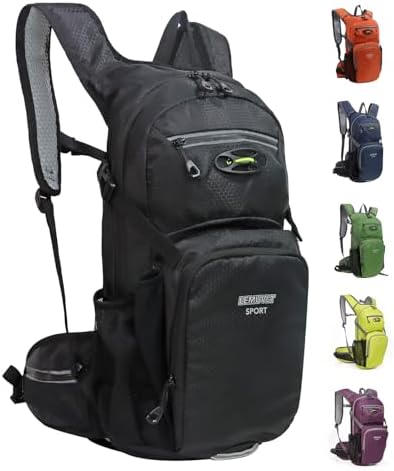
- TBB Score9.0
TrekBikesBlog (TBB) score is a ranking system that rates products on a scale of 1 to 10. The TrekBikesBlog score has no relationship or impact from any manufacturers or sales agent websites – it's an unbiased way to rate our products. Learn more
- BrandLemuvlt

- TBB Score9.2
TrekBikesBlog (TBB) score is a ranking system that rates products on a scale of 1 to 10. The TrekBikesBlog score has no relationship or impact from any manufacturers or sales agent websites – it's an unbiased way to rate our products. Learn more
- BrandArvano

- TBB Score8.8
TrekBikesBlog (TBB) score is a ranking system that rates products on a scale of 1 to 10. The TrekBikesBlog score has no relationship or impact from any manufacturers or sales agent websites – it's an unbiased way to rate our products. Learn more
- BrandN/A

- TBB Score8.6
TrekBikesBlog (TBB) score is a ranking system that rates products on a scale of 1 to 10. The TrekBikesBlog score has no relationship or impact from any manufacturers or sales agent websites – it's an unbiased way to rate our products. Learn more
- BrandN/A
Last update on 2026-11-27 / Affiliate links / Images, Product Titles, and Product Highlights from Amazon Product Advertising API
These three stand out in the product table above for different budgets and needs.
Best overall: the Deuter Race 8 Cycling backpack Unisex, around $168, is our first choice from the table.
Best value: the Bseash 40L Waterproof Hiking Backpack with Rain Cover, around $34, is the lowest priced of these three.
Also great: the Breakwater Supply™ Fogland Lite Small Waterproof IP68 Submersible Backpack, around $160, is another strong option with a different set of features.
Because cycling puts your torso in a forward leaning position for the entire ride, a flat backpack panel presses directly against your back with almost no airflow. Most cycling specific packs use a raised mesh frame or channeled foam panel that creates a small air gap, letting sweat evaporate instead of pooling against your spine.
This single feature makes a bigger difference on warm weather rides than almost anything else on the pack, and it is worth prioritizing over extra pockets or slightly lower weight if you ride often in the heat.
Sternum and Hip Straps Keep the Load From Shifting
A sternum strap across the chest and, on larger packs, a hip belt keep the bag from swaying side to side as you pedal or lean the bike through turns. Without these, a loaded pack shifts with every pedal stroke, which gets tiring fast and can throw off your balance on technical terrain.
Commuters generally need less capacity than trail riders, often just enough for a change of clothes, a laptop sleeve, and a lock, which points toward a smaller, more streamlined pack with a dedicated laptop compartment. Mountain bikers doing longer trail rides tend to need room for a hydration reservoir, tools, a spare tube, and layers for changing weather, which calls for a larger pack with more organized internal compartments.
Buying more capacity than you need just adds unnecessary weight and bulk on your back, while buying too little means overstuffing a pack that was not designed for it, which stresses seams and zippers over time.
Hydration Compatibility Matters for Longer Rides
Many cycling backpacks include a dedicated internal sleeve and a port for a hydration reservoir hose, letting you drink without stopping or reaching for a bottle. If you plan to ride for more than an hour or two at a stretch, especially off road, this feature is worth checking for even if you do not use it on every ride.
A pack that rides high and close to your back keeps your center of gravity stable, which matters more on technical mountain bike terrain than it does commuting on flat pavement. Packs designed for trail riding typically use a more structured frame and compression straps to cinch the load close and prevent it from bouncing on rough sections.
Compression straps on the sides of the pack let you cinch down a partially full load so it does not shift around inside, which matters whether you are commuting with a light load or riding trails with a heavier one.
A tool specific pocket that keeps a multi tool, tire levers, and a spare tube from rattling around loose is a small detail that makes a real difference on the trail, since digging through a jumbled main compartment for a tool mid ride gets old fast. Dedicated pockets also keep sharp tools away from softer items like a phone or snacks.
External attachment points for a helmet, a bike lock, or a jacket add flexibility without forcing everything into the main compartment, which matters most for commuters who might need to carry a jacket in the morning but not on the ride home. Not every pack needs these features, but they are worth checking for if your routine tends to vary day to day.
Ventilated Pockets for Sweaty or Wet Gear
A separate ventilated compartment for a helmet, gloves, or a sweat soaked layer keeps that gear from making everything else in the pack damp. This is a small feature that only matters once you have gone without it and ended up with a wet phone case or damp snacks from gear packed too close together.
Is a hydration pack the same thing as a cycling backpack?
Not always. Some cycling backpacks are built specifically around a hydration reservoir with minimal other storage, while others are general purpose packs that happen to include a hydration sleeve as one feature among many. Checking what the pack prioritizes helps match it to whether hydration or cargo capacity matters more to you.
How much should a cycling backpack weigh when empty?
Lightweight commuter and trail packs typically weigh well under two pounds empty, while larger packs built for longer rides with more gear and structure can weigh closer to three pounds. Every bit of pack weight adds to what you are carrying on your back, so it is worth checking against how much capacity you actually need.
Do cycling backpacks work well for commuting in the rain?
Many cycling specific packs use water resistant fabric and sealed zippers, but fully waterproof protection usually requires an included rain cover or a roll top closure design. If you commute regularly in wet weather, checking for a rain cover or a genuinely waterproof main compartment is worth the extra look.
Should a laptop go in a cycling backpack with a hydration reservoir?
Yes, as long as the pack has a padded, separate laptop sleeve that keeps the device away from a leaking reservoir or hose connection point. Packs marketed for commuting usually separate these compartments clearly, while trail focused packs may not include laptop protection at all.
Are reflective details on a cycling backpack actually useful?
Yes, reflective panels or piping on a pack add visibility from angles your bike lights may not cover, particularly from the side, which matters most for commuters riding in low light or traffic. It is a small feature but a genuinely useful one for anyone riding on roads after dark.
Back ventilation and strap stability matter on every ride, regardless of what you are carrying, so those two features are worth prioritizing before capacity or extra pockets. From there, matching capacity and hydration features to your actual riding, short commutes versus long trail days, keeps you from carrying more pack than you need or running out of room when it counts.


Best Cycling Gloves for Women (2026): Buying Guide

Best 2 Bike Bike Rack in 2026: A Buying Guide

Best Action Camera With Stabilization (2026): A Rider Buying Guide

Best Cycling Glasses for Low Light (2026): Buying Guide

Best Action Camera for Travel (2026): Small Cameras for Big Trips

Best Bike Rack for Fat Tire Bikes in 2026: Buying Guide and What to Check

Best Action Camera Under 50 Dollars (2026): Honest Expectations for Cheap Cameras

Best Bike Tires for Commuting in 2026: Buying Guide and What to Check










