
Best Budget Electric Bike in 2026: Value, Safety and Range Guide
Budget e bikes carry a reputation problem: a few flimsy imports with mystery batteries have made shoppers wary of every low price tag. The truth is more useful. Knowing where money matters and where it does not lets you find the best budget electric bike for real commuting and weekend miles, without paying for features you will never touch or gambling on parts that fail by spring.
This guide separates the specs that protect your wallet and your safety from the ones that only decorate a listing, and the comparison table below groups the main budget styles so you can see what each price tier really buys.
Compare Products

- TBB Score9.0
TrekBikesBlog (TBB) score is a ranking system that rates products on a scale of 1 to 10. The TrekBikesBlog score has no relationship or impact from any manufacturers or sales agent websites – it's an unbiased way to rate our products. Learn more
- BrandFLIWIN

- TBB Score8.4
TrekBikesBlog (TBB) score is a ranking system that rates products on a scale of 1 to 10. The TrekBikesBlog score has no relationship or impact from any manufacturers or sales agent websites – it's an unbiased way to rate our products. Learn more
- BrandGotrax

- TBB Score8.4
TrekBikesBlog (TBB) score is a ranking system that rates products on a scale of 1 to 10. The TrekBikesBlog score has no relationship or impact from any manufacturers or sales agent websites – it's an unbiased way to rate our products. Learn more
- BrandVivi
- TBB Score8.4
TrekBikesBlog (TBB) score is a ranking system that rates products on a scale of 1 to 10. The TrekBikesBlog score has no relationship or impact from any manufacturers or sales agent websites – it's an unbiased way to rate our products. Learn more
- BrandVivi
- TBB Score8.6
TrekBikesBlog (TBB) score is a ranking system that rates products on a scale of 1 to 10. The TrekBikesBlog score has no relationship or impact from any manufacturers or sales agent websites – it's an unbiased way to rate our products. Learn more
- BrandN/A

- TBB Score8.6
TrekBikesBlog (TBB) score is a ranking system that rates products on a scale of 1 to 10. The TrekBikesBlog score has no relationship or impact from any manufacturers or sales agent websites – it's an unbiased way to rate our products. Learn more
- BrandANCHEER

- TBB Score8.8
TrekBikesBlog (TBB) score is a ranking system that rates products on a scale of 1 to 10. The TrekBikesBlog score has no relationship or impact from any manufacturers or sales agent websites – it's an unbiased way to rate our products. Learn more
- BrandFunhang

- TBB Score9.0
TrekBikesBlog (TBB) score is a ranking system that rates products on a scale of 1 to 10. The TrekBikesBlog score has no relationship or impact from any manufacturers or sales agent websites – it's an unbiased way to rate our products. Learn more
- BrandFunhang

- TBB Score8.8
TrekBikesBlog (TBB) score is a ranking system that rates products on a scale of 1 to 10. The TrekBikesBlog score has no relationship or impact from any manufacturers or sales agent websites – it's an unbiased way to rate our products. Learn more
- BrandQlife

- TBB Score8.8
TrekBikesBlog (TBB) score is a ranking system that rates products on a scale of 1 to 10. The TrekBikesBlog score has no relationship or impact from any manufacturers or sales agent websites – it's an unbiased way to rate our products. Learn more
- BrandDTTZH
Last update on 2026-11-26 / Affiliate links / Images, Product Titles, and Product Highlights from Amazon Product Advertising API
Commuters replacing short car trips
If your goal is a three to ten mile ride to work or the station, prioritize a removable battery you can charge indoors, fenders and a rack mount for real life cargo, and tires wide enough for broken pavement. A hub motor is fine at this distance and keeps the price sane. Riders comparing the wider market can start from the best electric bike guide for context, then return here to see which of those features survive at a budget price.
Apartment dwellers with stairs and tight storage
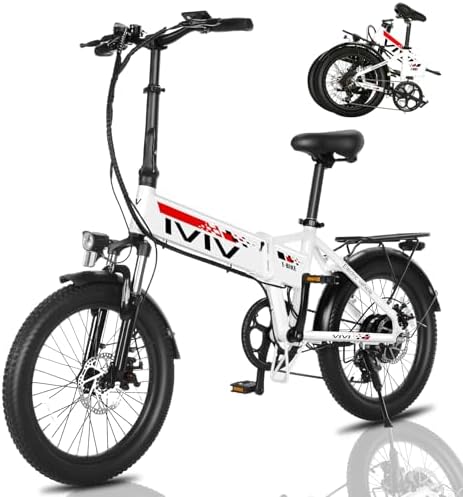
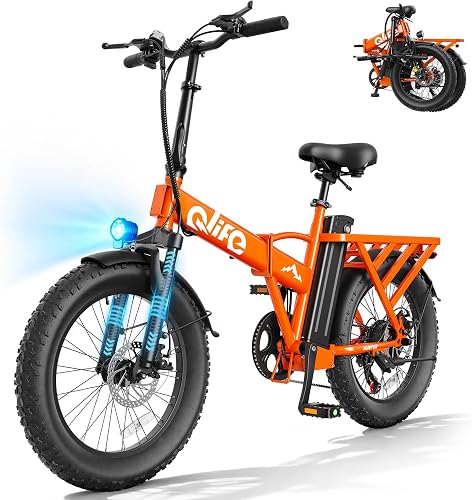
Storage shapes the right budget buy more than speed does. A folding frame that halves the footprint fits a closet or car trunk, and every pound matters when you carry the bike up two flights daily. The best folding electric bike models trade some ride smoothness for that fold, so check the hinge latch and check the folded size against your actual storage spot before ordering. If the bike will live in a garage instead, skip the fold and spend the money on brakes and battery.
Older riders and comfort seekers on a budget
A low step through frame, an upright riding position, and a throttle for easy starts make budget e bikes genuinely accessible. Seniors comparing options should look at the best electric bike for seniors guide alongside this one, because comfort features and manageable weight matter more than motor output. At any age, a bike that feels stable at walking pace in the shop parking lot will feel trustworthy on the road, and no discount is worth a bike that feels nervous under you.
Motor type and real world power
Budget motors are usually hub motors in the rear wheel, rated around 250 to 750 watts. Hub motors are simple, quiet, and cheap to replace, and they pull well on flat ground and gentle hills. Mid drive motors, which run through the gears, climb better and feel more natural, but they rarely appear at true budget prices. Ignore inflated peak watt claims and look instead at how the assist feels: a torque sensor, which matches power to your pedaling force, rides smoothly and stretches the battery; a cadence sensor simply switches power on when the pedals turn, which can feel jerky at low speed but costs less.
Battery capacity, quality, and safety
Battery size is measured in watt hours, found by multiplying volts by amp hours. Around 350 to 500 watt hours suits most commuters, giving roughly 25 to 45 miles per charge depending on terrain, rider weight, and assist level. Brand name cells and a battery certified to UL 2271 matter far more than a huge claimed number from an unknown maker. Always charge with the charger supplied with the bike, on a hard surface away from anything flammable, and never leave a charging battery unattended overnight. A removable battery also lets you store the bike in the cold while the battery stays indoors, which protects its lifespan.
Brakes and tires: where cheap gets expensive
An e bike is heavier and faster than a regular bike, so braking is a safety spec, not a detail. Hydraulic disc brakes stop harder with less hand effort and stay consistent in the rain; mechanical discs work but need more adjustment and squeeze. If a budget bike skimps anywhere, make sure it is not here. Tires matter the same way: wider tires around 2 inches or more add grip and comfort on rough streets, and puncture protection layers save real money and stranded evenings. For sand, snow, or loose paths, the best fat tire electric bike style uses tires of about 4 inches that float where narrow tires dig in.
Class, speed, and where you may ride
E bikes in the US fall into three classes. Class 1 assists only while you pedal, up to 20 mph. Class 2 adds a throttle, also capped at 20 mph. Class 3 assists while pedaling up to 28 mph and is restricted on many shared paths and trails. Budget listings sometimes blur these lines with unlockable speed settings, so check the class on the frame label before you buy, and confirm where that class is allowed on your usual routes. Local rules vary by city and state, and a bike that is legal on your road may not be legal on the path beside it.
Fit, sizing, and total weight
Many budget e bikes come in one frame size, which is a compromise you live with on every ride. Check the stated rider height range and the standover height against your inseam, and favor a seat post and stem with real adjustment range. Weight deserves honesty: budget e bikes commonly weigh about 55 to 75 pounds, because steel parts and big batteries cost less than light ones. That weight is fine on the road, but it decides whether you can lift the bike onto a car rack or carry it upstairs. If lifting matters, it belongs at the top of your checklist, not the bottom.
Warranty, parts, and support
The hidden cost of a cheap e bike is a part nobody stocks. Before buying, check that the maker sells replacement batteries, controllers, and brake pads for your model, and read the warranty terms for the frame, motor, and battery separately, since coverage often differs. A two year warranty from a brand with a real support line beats a longer promise from a seller who may vanish. Standard parts help too: common tire sizes, standard brake pads, and regular spokes can be serviced by any bike shop, while oddball components can sideline the bike for weeks.
Under about $1,000, expect a hub motor, a modest battery, mechanical disc brakes, and basic components that work but need regular adjustment. Between about $1,000 and $1,500, hydraulic brakes, better batteries with name brand cells, and torque sensors start to appear, and this is where value usually peaks for commuters. From about $1,500 to $2,000, you are paying for lighter frames, smoother shifting, and stronger support rather than more speed. Spending past that leaves budget territory, so if a listing climbs there, compare it against mid range models rather than against the bikes in this guide.
- Believing the maximum range on the box, which is measured with a light rider on flat ground at the lowest assist level.
- Choosing by motor watts alone, when battery quality and brake type affect your safety and costs far more.
- Buying a 70 pound bike you must carry upstairs daily, so riding quietly becomes a chore you avoid.
- Charging with a random charger or leaving the battery charging unattended, which is how most battery fires start.
- Ignoring the class label, then learning your new bike is not allowed on the path you ride most.
- Skipping the cost of essentials in your budget, since a helmet, lock, and lights are not optional extras.
Keep the battery between about 20 and 80 percent charge for daily use, and store it indoors at room temperature, away from heat and freezing garages. Clean the bike with a damp cloth and mild soap rather than a pressure washer, which forces water into bearings and connectors. Check brake pads, tire pressure, and spoke tension monthly, because heavier e bikes wear all three faster than regular bikes. Lubricate the chain little and often, and have a shop inspect the motor connectors and firmware once a year. Treated this way, a budget e bike can give years of service, and the battery is the only major cost you should expect mid life.
Are budget electric bikes worth it?
Yes, if you buy at the tier where hydraulic brakes, a certified battery, and replaceable parts appear, which is often around $1,000 and up. Below that, savings usually come out of the battery and brakes, and the bike can cost more in repairs and early replacement. A budget bike that replaces car trips a few times a week pays for itself in fuel and parking surprisingly quickly, as long as it stays reliable enough to ride.
How far can a budget electric bike go on one charge?
Expect roughly 25 to 45 miles from a typical budget battery of about 350 to 500 watt hours. Hills, headwinds, heavy loads, cold weather, and high assist levels all shorten that figure, while pedaling steadily on low assist stretches it. Treat the maker range claim as a best case, plan your longest regular trip at about two thirds of it, and remember that range falls slowly as the battery ages over the years.
How long does an electric bike battery last?
A quality lithium battery usually delivers about 500 to 800 full charge cycles before its capacity drops noticeably, which for most commuters means three to five years. Heat, deep discharges, and storing the battery full for months shorten that life. When range no longer covers your rides, a replacement battery from the original maker is the safe fix; unknown third party packs are a false economy on a part this critical.
Can you ride a budget electric bike in the rain?
Most e bikes handle rain riding fine, since motors and batteries are sealed against splashes, but they are not built for immersion or pressure washing. Dry the bike after wet rides, wipe the battery contacts, and store it under cover. If your commute is wet year round, budget for fenders and check that the display and connectors on the model you choose carry a stated water resistance rating.
What is the best budget electric bike for a hilly commute?
For hills, look for a motor with strong torque figures, gearing low enough to keep your pedaling cadence comfortable, and the largest battery in your tier, since climbing drains charge quickly. A torque sensor helps the motor respond smoothly on starts halfway up a slope. Take a ride if you can: a bike that pulls cleanly from a stop on your steepest street will handle the rest of the route without drama.
A smart budget buy spends first on a safe battery, real brakes, and parts you can replace, and lets paint, apps, and peak watt claims go. Compare the styles in the product table above against your route, your storage, and your stairs, and the best budget electric bike for your money will be the one that stays safe, serviceable, and ridden for years.

Best Diamondback Road Bikes of 2026: Which Model Should You Buy?

Best Electric Bike for Beginners in 2026: A Complete Buying Guide
Best Canyon Road Bikes of 2026: Which Model Should You Buy?

Best Beginner Mountain Bike Women at Every Price: What Your Money Really Gets You for 2026
Best Electric Bike for Women in 2026: Buying Guide

Best Airplane Bike Bags: A Travel Buying Guide
Best 1x Gravel Bikes (2026): Gearing, Clutch and Chainring Buying Guide

Best 20 Inch Folding Bikes in 2026: A Buying Guide










