
Best Beginner Mountain Bike Women at Every Price: What Your Money Really Gets You for 2026
Prices for a first trail bike stretch from a few hundred dollars to well over two thousand, and the listings rarely explain what the extra money buys. This guide walks through each price tier so you can see where spending helps and where it does not. A good best beginner mountain bike women can ride comfortably starts with fit, sensible gearing, and brakes you can trust, not with the longest parts list.
Use the comparison table below to compare frame sizes and prices side by side, then read on for the details behind each tier. By the end you will know which features deserve your money on day one and which upgrades can wait until you ride more.
Compare Products

- TBB Score8.4
TrekBikesBlog (TBB) score is a ranking system that rates products on a scale of 1 to 10. The TrekBikesBlog score has no relationship or impact from any manufacturers or sales agent websites – it's an unbiased way to rate our products. Learn more
- BrandSchwinn

- TBB Score8.0
TrekBikesBlog (TBB) score is a ranking system that rates products on a scale of 1 to 10. The TrekBikesBlog score has no relationship or impact from any manufacturers or sales agent websites – it's an unbiased way to rate our products. Learn more
- BrandSchwinn

- TBB Score8.0
TrekBikesBlog (TBB) score is a ranking system that rates products on a scale of 1 to 10. The TrekBikesBlog score has no relationship or impact from any manufacturers or sales agent websites – it's an unbiased way to rate our products. Learn more
- BrandMongoose

- TBB Score8.8
TrekBikesBlog (TBB) score is a ranking system that rates products on a scale of 1 to 10. The TrekBikesBlog score has no relationship or impact from any manufacturers or sales agent websites – it's an unbiased way to rate our products. Learn more
- BrandHH HILAND

- TBB Score8.6
TrekBikesBlog (TBB) score is a ranking system that rates products on a scale of 1 to 10. The TrekBikesBlog score has no relationship or impact from any manufacturers or sales agent websites – it's an unbiased way to rate our products. Learn more
- BrandAVASTA

QARSWA 27.5 Inch Mountain Bike for Men and Women, Lightweight
- TBB Score9.0
TrekBikesBlog (TBB) score is a ranking system that rates products on a scale of 1 to 10. The TrekBikesBlog score has no relationship or impact from any manufacturers or sales agent websites – it's an unbiased way to rate our products. Learn more
- BrandQARSWA
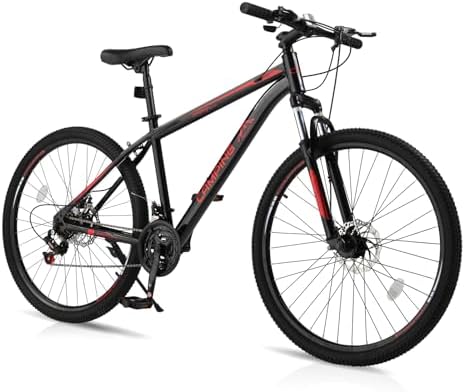
- TBB Score8.2
TrekBikesBlog (TBB) score is a ranking system that rates products on a scale of 1 to 10. The TrekBikesBlog score has no relationship or impact from any manufacturers or sales agent websites – it's an unbiased way to rate our products. Learn more
- BrandKtaxon

- TBB Score8.2
TrekBikesBlog (TBB) score is a ranking system that rates products on a scale of 1 to 10. The TrekBikesBlog score has no relationship or impact from any manufacturers or sales agent websites – it's an unbiased way to rate our products. Learn more
- BrandWEIZE
Last update on 2026-11-25 / Affiliate links / Images, Product Titles, and Product Highlights from Amazon Product Advertising API
Instead of chasing a single model, judge any bike against what its price tier should deliver. If a bike at a given price is missing something its tier normally includes, that is a reason to keep looking.
Budget Level: What a Sensible Starter Bike Looks Like
At the budget level, around $400 to $700, expect an aluminum frame, a suspension fork with about 100 mm of travel, and simple but reliable shifting. The best value here is a bike with one chainring up front, because it removes the front shifter and makes gear changes calmer while you learn. Brakes may be mechanical disc brakes rather than hydraulic ones, and wheels are usually heavier. That weight is the main trade off. For smooth trails, rail trails with dirt surfaces, and learning basic skills, this level is enough, as long as the frame size truly fits you.
Midrange Level: Where Most Beginners Land Happily
The midrange, around $700 to $1,200, is where beginner bikes start feeling noticeably easier to ride. Hydraulic disc brakes are common here, and they need less hand effort while giving stronger and more even stopping power. You also tend to get a fork with an air spring, which a shop can adjust for your body weight instead of a one setting coil. Wider tires with better tread, a clutch rear derailleur that keeps the chain quiet, and lighter wheels all show up in this tier. If you plan to ride weekly, this level usually gives the best balance of comfort, control, and price.
Premium Level: What Extra Money Actually Improves
Above around $1,200 to $2,000, you are paying for refinement rather than basic ability. Forks get smoother and easier to tune, drivetrains shift under load with less fuss, and wheels may be ready for tubeless tires out of the box. A dropper seatpost, which lowers the saddle with a lever for descents, often appears here and genuinely helps new riders feel secure on steep ground. Frames stay aluminum on most models, with carbon as a costly option that saves weight but adds repair worries. This tier makes sense if you already ride often, know you will stick with the sport, and want a bike that will not need upgrades for years.
Budget Tier: What to Expect
Budget bikes cover the basics honestly. Gearing often has a wide range but bigger jumps between gears, forks use coil springs that suit an average weight rider, and tires grip well on dry dirt but feel vague in mud. The frame is the part worth protecting in your decision, because a well shaped aluminum frame with current wheel standards can accept better parts later. If the frame fits and the brakes work smoothly, modest parts are a fair trade at this price.
Midrange Tier: The Sweet Spot for Most Buyers
Midrange bikes add the parts that reduce fatigue and mistakes. Hydraulic brakes let you slow down with one finger, which keeps your grip relaxed on long descents. Air forks can be set softer for a lighter rider, something coil forks rarely allow, and that matters a lot for smaller riders. Many midrange models also use thru axles instead of quick release skewers, so wheels sit straighter and feel stiffer. For most women buying a first trail bike, this tier in the product table above is where your money works hardest.
Premium Tier: When Spending More Pays Off
Premium pricing pays off when you ride rougher trails or ride several times a week. Better suspension keeps the front wheel tracking over roots instead of bouncing aside, and stronger wheels survive rock strikes that would bend cheaper rims. You may also get a wider gear range for very steep climbs. What premium money does not buy is skill or fit, so a costly bike in the wrong size is still the wrong bike. Spend at this level only after a careful sizing check, ideally with a short test ride.
Bike Type and Riding Style
Most beginners should start with a trail hardtail, meaning a bike with front suspension and a rigid rear end. Cross country bikes are lighter and climb eagerly but can feel nervous on rough descents, while enduro bikes are built for steep and rocky riding and feel sluggish on easy trails. If your riding mixes dirt roads and paths, a hardtail still works well and keeps costs down. Full suspension mountain bikes add rear suspension for comfort and traction, but at beginner prices the extra cost usually means weaker brakes and forks elsewhere, so a good hardtail is normally the smarter first purchase.
Beginner Friendly Features That Matter
Look for simple controls you can use without thinking. A single chainring drivetrain, smooth and light shifting action, and brake levers sized for smaller hands all help. Many women benefit from a shorter reach cockpit and a saddle shaped for female anatomy, though saddle comfort is personal and easy to change later. Clear setup guidance from the maker, including a sizing chart based on height and inseam, is another good sign. If you are comparing general starter models too, our guide to the best beginner mountain bike explains these shared features in more depth.
Suspension (Hardtail vs Full Suspension) and Travel
Travel is how far the fork can compress, and about 100 to 120 mm suits beginner trail riding well. More travel, up to 140 mm, adds confidence on rocky descents but adds weight and cost. A hardtail sends more of your pedaling effort to the rear wheel and teaches you to pick smooth lines, a useful skill. Full suspension cushions your back and keeps the rear tire gripping on climbs, yet it adds pivots that need service. For your first season on moderate trails, a quality hardtail fork matters more than adding rear suspension.
Motor, Battery, and Range (for E Bikes)
Some beginners consider electric mountain bikes, which add a motor that assists your pedaling. A mid drive motor sits at the pedals and feels natural on hills, while a hub motor in the rear wheel costs less and feels simpler. Battery size is listed in watt hours, often written as Wh, and larger numbers mean longer rides. If hills or a long commute to the trail make you hesitate to ride at all, assistance can help you ride more often. Our guide to the best e mountain bike for women covers motor types and legal classes if you lean that way, but a regular bike keeps price and weight far lower.
Where Your Money Goes on a Women's Beginner Bike
When you shop the best beginner mountain bike womens category, the women specific value sits in three places. First, size ranges that reach genuinely small frames, not just a smaller sticker on a medium frame. Second, suspension tuned or adjustable for lighter riders, so the fork moves instead of feeling locked. Third, touch points that fit, including narrower handlebars, shorter brake levers, and a suitable saddle. Paint color is not a fit feature, so judge the geometry chart and parts, not the marketing. For a wider view of women specific models and sizing, see our guide to the best women mountain bike options and fit advice.
The bike itself is only part of the budget. Plan for a helmet, a floor pump, a spare tube, tire levers, and a small multitool right away, which together often cost around $100 to $200. Proper footwear matters on flat pedals too, and our guide to the best mountain bike shoes for women explains sole grip and fit. Expect a tune up each year at a local shop, plus wear items such as brake pads, chains, and eventually tires. Suspension forks need periodic service to stay smooth. None of this should scare you off, but a bike that leaves room in your budget for gear and upkeep is the better buy than one that spends every dollar on the frame.
What makes mountain bikes for beginners different?
Beginner models use stable geometry, simpler gearing, and parts chosen for reliability over low weight. The riding position is more upright, which makes steering calmer at low speed. They also favor wider tires that forgive poor line choices. One point worth knowing is that beginner bikes often use heavier wheels, so the bike may feel slow on climbs even when your fitness is fine.
How far can an e bike go on one charge?
Most electric trail bikes cover about 20 to 50 miles per charge, depending on assist level and terrain. Steep climbs and high assist settings drain the battery fastest, while gentle trails and lower settings stretch range a lot. Your own pedaling effort matters too, since the motor only assists. If range worries you, choose a larger battery rather than planning to carry a spare, because spare batteries are heavy and costly.
What size bike do I need?
Start with your height and inseam, then check the maker sizing chart for that exact model, because brands size differently. You should be able to stand over the frame with a little clear space, and reach the bars without locking your elbows. A useful extra check is saddle height: at the bottom of the pedal stroke your knee should keep a slight bend. If you fall between sizes, most beginners feel better on the smaller one.
Hardtail or full suspension for beginners?
A hardtail is the better first bike for most beginners because it costs less, weighs less, and needs less service. It also teaches smooth riding habits. Full suspension earns its cost when your local trails are rocky, rooty, or steep enough that rear wheel grip and comfort limit your riding. If your budget forces a choice between a good hardtail and a cheap full suspension model, choose the hardtail every time.
How much should I spend on my first bike?
Around $700 to $1,200 buys the features most beginners will appreciate for several seasons. Spending less can still work for gentle trails, but very cheap bikes often have weak brakes and forks that cannot be adjusted for lighter riders. Before you decide, set aside money for a helmet and basic tools as well. If a partner is shopping too, our guide to the best men's beginner mountain bike uses the same tier logic for his sizing and fit.
What e bike class is legal where I live?
Electric bikes are grouped into classes based on top assisted speed and whether they have a throttle. Class 1 bikes assist only while you pedal, up to 20 mph, and they are allowed on many trails. Rules differ by state, park, and trail system, and some paths ban electric bikes entirely. Check your state vehicle code and the land manager rules for your trails before you buy, because a bike that is legal on the road may not be legal on your favorite dirt trail.
Fit comes first, then brakes and an adjustable fork, then everything else. Most new riders do best in the midrange tier, where hydraulic brakes and an air fork make learning calmer and more fun. Check your size in the comparison table above, keep some budget for a helmet and upkeep, and your best beginner mountain bike women choice will serve you well for seasons of steady progress on the trail.


Best Mountain Bike Dropper Seatposts for 2026

Best Adult Mountain Bike (2026): Buyer Guide

Best Used Mountain Bike Shocks: What to Check Before You Buy

Best Groupset for Mountain Bike Riding in 2026

Best Budget Mountain Bike in 2026: A Hardtail Value Guide
Best Mountain Bike Chain Rings: A Buyer's Guide

Best Mountain Bike Crankset: 2026 Buying Guide

Best Pedal for Mountain Bike Riding










