
Best Road Bike Stem: How Length, Angle, and Fit Actually Work
A stem looks like a simple piece of aluminum or carbon, but it's one of the biggest levers you have over how a road bike actually fits and handles. Picking the best road bike stem for your body and riding style can fix a bike that feels stretched out or cramped without touching the frame itself, since it directly sets your reach and how quickly the front end responds to steering input. This guide covers the specs that actually change how a bike rides, not just the ones that show up on a spec sheet.
Compare Products

- TBB Score9.2
TrekBikesBlog (TBB) score is a ranking system that rates products on a scale of 1 to 10. The TrekBikesBlog score has no relationship or impact from any manufacturers or sales agent websites – it's an unbiased way to rate our products. Learn more
- BrandKinekt Comfort in Motion

- TBB Score8.8
TrekBikesBlog (TBB) score is a ranking system that rates products on a scale of 1 to 10. The TrekBikesBlog score has no relationship or impact from any manufacturers or sales agent websites – it's an unbiased way to rate our products. Learn more
- BrandN/A
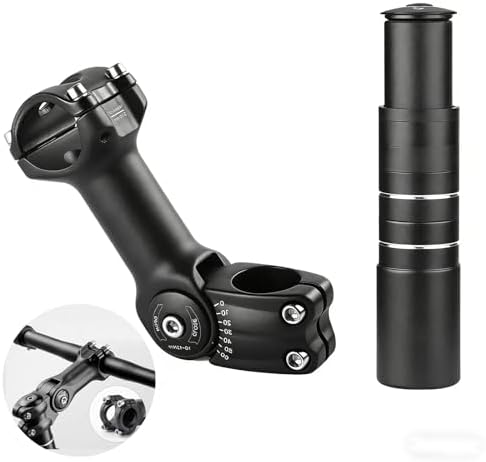
Bike Stem Riser,3D Forging,Oxidation Process,Anti-Rust and Wear-Resistant,28.6mm Bike Fork Aluminum
- TBB Score9.2
TrekBikesBlog (TBB) score is a ranking system that rates products on a scale of 1 to 10. The TrekBikesBlog score has no relationship or impact from any manufacturers or sales agent websites – it's an unbiased way to rate our products. Learn more
- Brandgroword

- TBB Score9.2
TrekBikesBlog (TBB) score is a ranking system that rates products on a scale of 1 to 10. The TrekBikesBlog score has no relationship or impact from any manufacturers or sales agent websites – it's an unbiased way to rate our products. Learn more
- BrandN/A

- TBB Score9.0
TrekBikesBlog (TBB) score is a ranking system that rates products on a scale of 1 to 10. The TrekBikesBlog score has no relationship or impact from any manufacturers or sales agent websites – it's an unbiased way to rate our products. Learn more
- BrandN/A

- TBB Score9.2
TrekBikesBlog (TBB) score is a ranking system that rates products on a scale of 1 to 10. The TrekBikesBlog score has no relationship or impact from any manufacturers or sales agent websites – it's an unbiased way to rate our products. Learn more
- BrandN/A

- TBB Score9.2
TrekBikesBlog (TBB) score is a ranking system that rates products on a scale of 1 to 10. The TrekBikesBlog score has no relationship or impact from any manufacturers or sales agent websites – it's an unbiased way to rate our products. Learn more
- BrandN/A
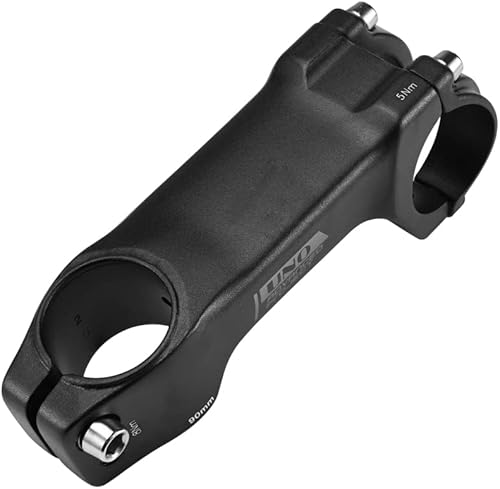
- TBB Score8.8
TrekBikesBlog (TBB) score is a ranking system that rates products on a scale of 1 to 10. The TrekBikesBlog score has no relationship or impact from any manufacturers or sales agent websites – it's an unbiased way to rate our products. Learn more
- BrandN/A

- TBB Score9.2
TrekBikesBlog (TBB) score is a ranking system that rates products on a scale of 1 to 10. The TrekBikesBlog score has no relationship or impact from any manufacturers or sales agent websites – it's an unbiased way to rate our products. Learn more
- BrandN/A

- TBB Score9.2
TrekBikesBlog (TBB) score is a ranking system that rates products on a scale of 1 to 10. The TrekBikesBlog score has no relationship or impact from any manufacturers or sales agent websites – it's an unbiased way to rate our products. Learn more
- BrandN/A

- TBB Score9.2
TrekBikesBlog (TBB) score is a ranking system that rates products on a scale of 1 to 10. The TrekBikesBlog score has no relationship or impact from any manufacturers or sales agent websites – it's an unbiased way to rate our products. Learn more
- BrandN/A
Last update on 2026-11-22 / Affiliate links / Images, Product Titles, and Product Highlights from Amazon Product Advertising API
These three stand out in the product table above for different budgets and needs.
Best overall: the KINEKT Suspension Stem for Road, around $190, is our first choice from the table.
Best value: the FOMTOR 31.8mm 25.4mm Adjustable Stem 90mm 110mm 0~60 Degree, around $21, is the lowest priced of these three.
Also great: the BBB Cycling ActionStem, around $92, is another strong option with a different set of features.
The stem connects your handlebar to the steerer tube of the fork, and its length and angle together determine your reach and hand position, two of the most important fit measurements on any road bike. A frame that's slightly too long or too short in reach can often be corrected with a different stem length rather than buying a whole new bike, which is why stems are such a common, budget friendly fit adjustment. Beyond fit, stem length also changes handling character: a shorter stem generally makes steering feel quicker and more responsive, while a longer stem stretches the wheelbase's effective feel and adds a bit more stability at speed.
Road stems typically range from around 60mm up to 130mm or longer, and the right length depends on both your torso and arm length and the reach already built into your frame's geometry. A bike fitter, or a careful DIY fit check, usually starts with your current stem length and adjusts from there rather than guessing at a number from scratch. Riders who feel overly stretched out and are experiencing shoulder or lower back discomfort often benefit from a shorter stem, while riders who feel cramped or twitchy at speed may do better with a slightly longer one, assuming the frame size itself is correct to begin with.
Stem angle, usually listed as a number of degrees either up or down from horizontal, changes your handlebar height without needing to add or remove headset spacers. A negative, downward angled stem lowers the front end for a more aggressive, aerodynamic position favored by racers and experienced riders, while a positive, upward angled stem raises the bars for a more upright, comfort focused position that's easier on the neck and lower back over long rides. Many stems are flippable, meaning the same part can be installed facing up or down, giving you two effective height options from one purchase before you'd need to change spacers or buy a different stem entirely.
Aluminum stems dominate the market for good reason: they're strong, affordable, and the weight difference compared to carbon is usually just a handful of grams that most riders will never notice. Carbon stems shave a little weight and, according to many riders, damp road vibration slightly better, though the difference is subtle enough that it rarely justifies the extra cost outside of dedicated race builds. What matters more in practice is matching clamp diameter correctly; when comparing options for the best road bike stem, most modern road bars use a 31.8mm clamp standard, though some aero and gravel oriented bars use 35mm, so checking your handlebar's clamp size before ordering a stem is a simple step that avoids a returned part.
Steerer tube diameter matters just as much on the other end of the stem, with 1 1/8 inch being the near universal standard on modern road forks, though older bikes occasionally use a different size worth double checking before buying.
A stiffer stem transfers more of your steering and sprinting effort directly into the front wheel instead of flexing and absorbing it, which is why racers tend to favor shorter, stiffer stems for sharp handling under hard efforts. Stiffness generally comes from a larger clamp area and thicker wall construction rather than material alone, so two aluminum stems from different brands can feel noticeably different in real world stiffness despite similar weights. Chasing the absolute lightest stem on the market often means accepting a design with a smaller clamp footprint, which can introduce a small amount of flex that most casual riders would never notice but that a sprinter or crit racer absolutely would.
For most everyday riders, a mid weight stem from a reputable brand offers plenty of stiffness without the price premium that shaving the last 20-30 grams usually commands.
Installing a road bike stem correctly matters as much as choosing the right one, since bolts torqued incorrectly can either damage a carbon steerer tube or handlebar, or loosen dangerously over time on rough roads. Every stem lists a recommended torque spec in Newton meters printed directly on the part, and using a torque wrench rather than guessing by feel is genuinely worth the small investment, especially with carbon components, which are far less forgiving of over tightening than aluminum. If you're not confident doing the swap yourself, most bike shops will install a new stem for a modest fee, which is a reasonable trade off for getting torque and alignment right the first time.
Does stem length affect how a bike handles?
Yes, a shorter stem generally makes steering feel quicker, while a longer stem adds a bit more stability at speed, independent of the frame's own geometry.
How do I know what stem length I need?
Start from your current stem length and adjust based on comfort and reach, ideally with input from a bike fitter, rather than guessing at a completely new number.
Is carbon or aluminum better for a stem?
Aluminum is strong, affordable, and only marginally heavier, making it the practical choice for most riders, while carbon offers a small weight and vibration damping edge favored mainly by racers.
What clamp size do I need for my handlebar?
Most modern road handlebars use a 31.8mm clamp, though some aero and gravel bars use 35mm, so always check your current bar's diameter before ordering.
Can changing my stem fix an uncomfortable bike fit?
Often, yes. Adjusting stem length and angle is one of the most cost effective ways to correct reach and hand position without replacing the frame.
Do I need a torque wrench to install a stem?
It's strongly recommended, especially with carbon parts, since incorrect torque can damage components or leave bolts dangerously loose.
The best road bike stem is the one sized and angled correctly for your body, not necessarily the lightest or most expensive option on the shelf. Nail down length and angle first, confirm clamp and steerer compatibility, and install it with correct torque, and a simple stem swap can transform how a bike feels without touching anything else on it.


Best Aero Road Bike (2026): Buying Guide and Tips

Best Entry Level Road Bikes in 2026: Buying Guide

Best Aluminum Road Bike (2026): A Complete Guide

Best Climbing Road Bikes (2026): Weight and Gearing Guide

Best Road Bike Wheel Bags for Safe Storage and Travel

Best Road Bike Seat Bags: The Complete Sizing Guide

Best Carbon Fiber Road Bikes for 2026 | Buying Guide

Best Road Bike Cameras: The Complete 2026 Buying Guide










