
Best 1x Gravel Bikes (2026): Gearing, Clutch and Chainring Buying Guide
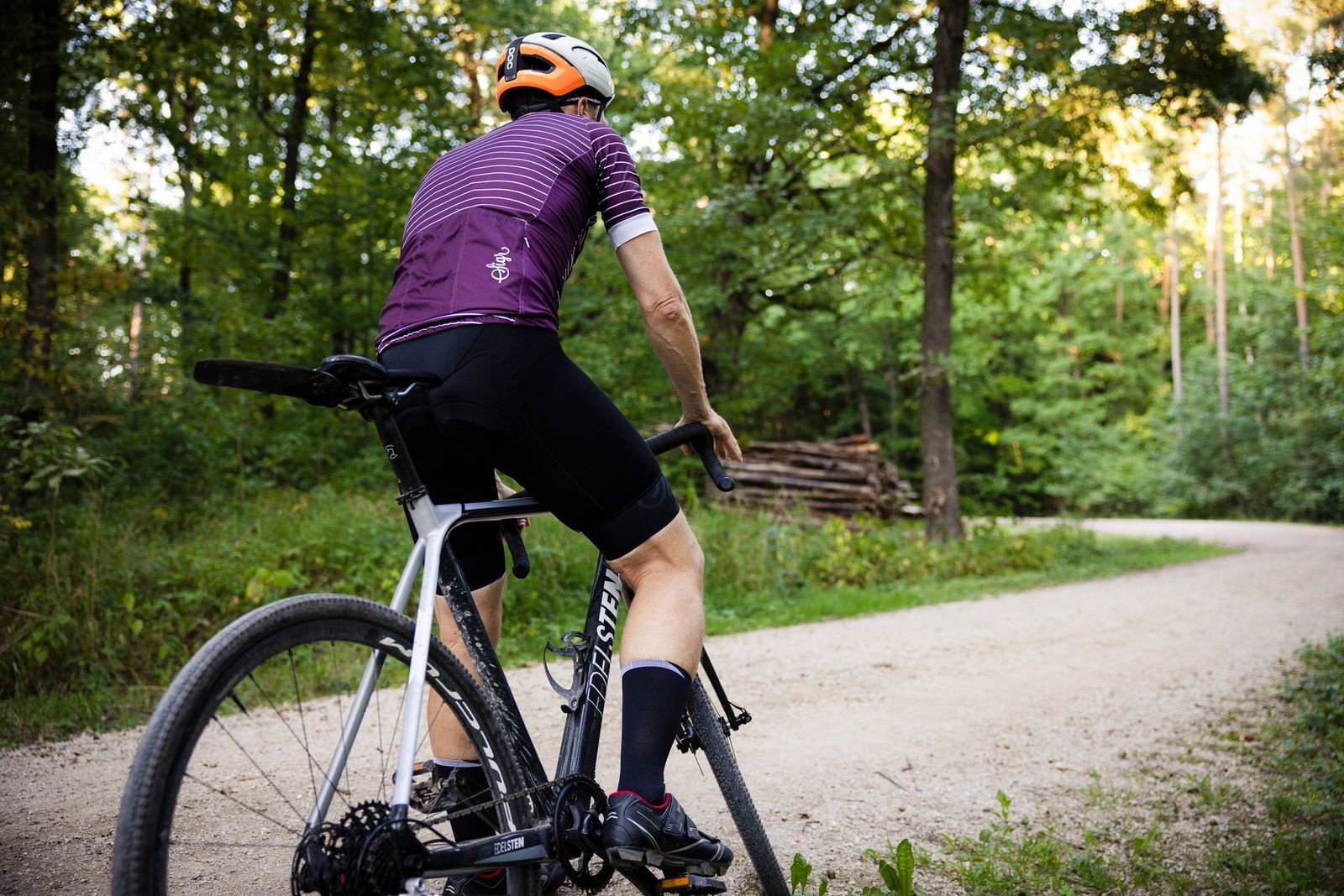
A 1x gravel bike uses one chainring at the front and a wide range cassette at the back, deleting the front derailleur entirely. The appeal is simplicity: one shifter, no dropped chains from front shifts, and a clean frame with room for mud and wide tires. The cost is bigger jumps between gears and hard choices about range, because one ring must cover both climbing and speed. Choosing the best 1x gravel bike is really about doing the gear math for your terrain before anything else.
This guide explains how chainring size and cassette range change your lowest and highest gears, what clutch derailleurs and narrow wide rings actually do, and who should stay with a double chainring instead.
Compare Products
Last update on 2026-11-22 / Affiliate links / Images, Product Titles, and Product Highlights from Amazon Product Advertising API
Gravel racers who want simple, fast shifting
In races, shifts happen under load, in mud and at the worst moments. A single shifter that only moves one derailleur removes the front shift fumble entirely, and the clutch keeps the chain planted over rough ground at speed. Racers in this group typically choose a mid size ring around 42 teeth and accept spinning out briefly on fast descents rather than carrying climbing gears they use once.
Bikepackers and riders far from bike shops
Fewer parts means fewer failures a long way from help. There is no front derailleur to bend, clog with mud or misalign, and a single shifter cable to carry as a spare. This group usually picks smaller rings, around 38 to 40 teeth, trading top speed for a genuinely low climbing gear under load. If your routes involve hike a bike sections anyway, low gears earn their keep every day.
Riders in muddy, gritty regions
Wet grit destroys front derailleurs and grinds double rings, while a 1x setup sheds mud better and cleans faster after rides. The chainline stays acceptable across most of the cassette, and chain retention parts are built for abuse. Riders here should prioritize sealed bearings, generous mud clearance around the ring, and the clutch derailleur explained below, since retention is the whole game in slop.
Gear range: the number that decides everything
Range is the percentage spread between your lowest and highest gears, and modern gravel cassettes offer spreads around 400 to 520 percent. A 42 tooth ring with an 11 to 44 cassette gives a low gear near one to one for climbing and enough top end for most gravel speeds. Wider cassettes that reach a 52 tooth cog stretch the range but widen the jumps between gears. Compare ranges, not gear counts: a smart 11 speed wide range setup outclimbs a narrow 12 speed one.
Chainring size: 38, 40, 42 or 44 teeth
The ring sets where your range sits. Smaller rings shift the whole range toward climbing; larger rings shift it toward speed. As a guide, a 40 tooth ring with a 44 tooth largest cog yields about 27 gear inches at the bottom, comfortable for loaded climbing, while a 44 ring with the same cassette bottoms out near 30 gear inches and asks more of your legs. Many rings swap with a few bolts, so treat the stock ring as a starting point and budget a second ring if your seasons split between racing and loaded touring.
Clutch derailleurs and chain retention
A clutch in the rear derailleur resists the cage swinging forward, which keeps chain tension high over bumps and stops the chain slapping or dropping. Paired with a narrow wide chainring, whose alternating tooth profiles hold the chain in place, drops become rare even without a front derailleur. These two parts are not optional extras on a 1x bike; they are the system. Check that any build you consider has both, because early budget 1x setups skipped the clutch and dropped chains constantly.
Gear jumps and road manners
With one ring, the steps between gears on the cassette grow, especially at the fast end. On pavement and in group rides that can leave you between gears, pedaling slightly too fast or too slow for comfort. Riders who split time between road and gravel feel this most and may prefer a double. Pure gravel riders rarely notice, because terrain changes speed constantly anyway. Think honestly about your road miles; our best gravel bike guide compares 1x and 2x builds across the wider market.
Mixed drivetrains and mullet builds
Some builds mix road shifters with a mountain bike rear derailleur and a huge cassette, a combination riders call a mullet setup. It delivers range near 520 percent with road ergonomics, at the cost of big jumps and specific spare parts. Electronic groupsets make these mixes easier and add tidy touches like synchronized spares. When comparing builds, note which family the derailleur comes from, because replacement parts and battery systems differ.
Frame details that suit 1x
Frames designed for 1x skip the front derailleur mount, which cleans up the seat tube area and sometimes allows wider tires or shorter chainstays. Check tire clearance with the ring fitted, chainstay protection against slap, and whether the frame accepts a small front derailleur later if your needs change; most dedicated 1x frames do not. Budget builds often reuse 2x frames, which is fine and more flexible. Value hunters can start from our best budget gravel bike roundup and our best gravel bike under 1000 picks, while traditionalists may prefer the flex and simplicity of the best steel gravel bike designs, many of which run 1x happily.
Take five minutes with your current bike. Note the smallest gear you actually use on your steepest regular climb, in gear inches or as a ratio, and the fastest gear you use on descents. Then check that a candidate 1x setup covers both ends. A quick method: divide the chainring by the largest cog for your climbing ratio and by the smallest cog for your top ratio. If the climbing ratio is lower than what you use now, you gain; if the top ratio is a little lower, you lose only the fastest downhill pedaling, which most riders rarely miss. This one calculation prevents the most common 1x regret.
- Copying a racer's 44 tooth ring for loaded or hilly riding, which leaves you walking climbs the setup was never geared for.
- Judging a build by gear count instead of range, and ending up with a narrow cassette that cannot climb.
- Buying a budget 1x bike without a clutch derailleur or narrow wide ring, then blaming the concept for constant chain drops.
- Forgetting that rings wear and cassettes cost more in wide range sizes, which raises the yearly running cost a little.
- Assuming you cannot change the ring later, when a swap of one size up or down is a cheap, ten minute fix.
A single ring and cassette carry the whole workload, so wear concentrates. Measure chain stretch often and replace the chain early; a worn chain quickly eats the expensive wide range cassette and the ring. Keep the clutch derailleur pivots clean and check that the clutch still resists movement, since a tired clutch invites drops. Mud is the enemy: rinse grit from the drivetrain after wet rides, dry the chain and lube it before rust starts. Inspect the narrow wide ring teeth for shark fin wear, and keep a spare derailleur hanger in your saddle bag because 1x derailleurs sit long and low. Before every ride, squeeze the brakes, check tire pressure and spin the cranks to confirm the chain sits quietly on the ring. Ride with a helmet that meets the CPSC standard and replace it after any impact.
Is a 1x drivetrain enough for gravel riding?
For most gravel, yes. Modern wide range cassettes cover climbing and cruising gears that match what riders actually use, and the simplicity pays off in mud and under load. The riders who bump into limits are those doing fast paved group rides, where tighter gear steps matter, and those in very steep terrain with heavy loads, who must choose small rings and accept a modest top speed.
What chainring size should I choose for a 1x gravel bike?
Start with 40 teeth if your riding mixes climbing, load and everyday gravel; it is the size most riders settle on after experimenting. Choose 38 if you tour loaded or live among steep hills, and 42 to 44 if you race or ride flatter, faster routes. Judge by your lowest gear first: the ring and largest cog together should give you a ratio at or below the easiest gear you rely on now.
Does 1x wear out parts faster than 2x?
Slightly, in specific places. The chain runs at wider angles on the extreme cogs, and one ring does all the work a double shares between two, so rings and chains may need replacing a little sooner. The cassette sees similar wear either way. Good chain hygiene closes most of the gap, and the parts you save, a front derailleur and its cable, offset some cost.
Can I convert my 2x gravel bike to 1x?
Usually, yes. You need a narrow wide ring in place of the double, ideally a clutch rear derailleur, and often a wider range cassette if your derailleur can handle it. Many riders simply remove the front derailleur and try the idea for a season using the small ring position first. If your derailleur lacks a clutch, a simple chain guide restores most of the retention.
Is electronic shifting better for 1x gravel bikes?
It is nicer rather than necessary. Electronic systems shift perfectly under load, never suffer cable stretch or frozen cables in winter grit, and can pair road levers with mountain derailleurs cleanly. The costs are price, charging discipline and harder field repairs. Mechanical 1x with a good clutch remains the reliable workhorse for bikepacking and remote riding, where a spare cable weighs nothing.
Do the gear math, insist on a clutch and a narrow wide ring, and pick the ring for your steepest loaded climb rather than your fastest descent. Racers, mud riders and remote tourers gain the most from the single ring life. Compare any complete build you consider against your own numbers, and the best 1x gravel bike for you will be obvious once the range on paper matches the range in your legs.


Best 20 Inch Folding Bikes in 2026: A Buying Guide

Best Road Bike Stem: How Length, Angle, and Fit Actually Work

Best Aero Road Bike (2026): Buying Guide and Tips

Best Folding Bike for RV in 2026: Buying Guide

Best Entry Level Road Bikes in 2026: Buying Guide

Best Electric Bike for Seniors in 2026: Buying Guide

Best Mountain Bike Dropper Seatposts for 2026

Best Electric Bike Under 1000 Dollars in 2026: Buying Guide










