
Best Canyon Road Bikes of 2026: Which Model Should You Buy?
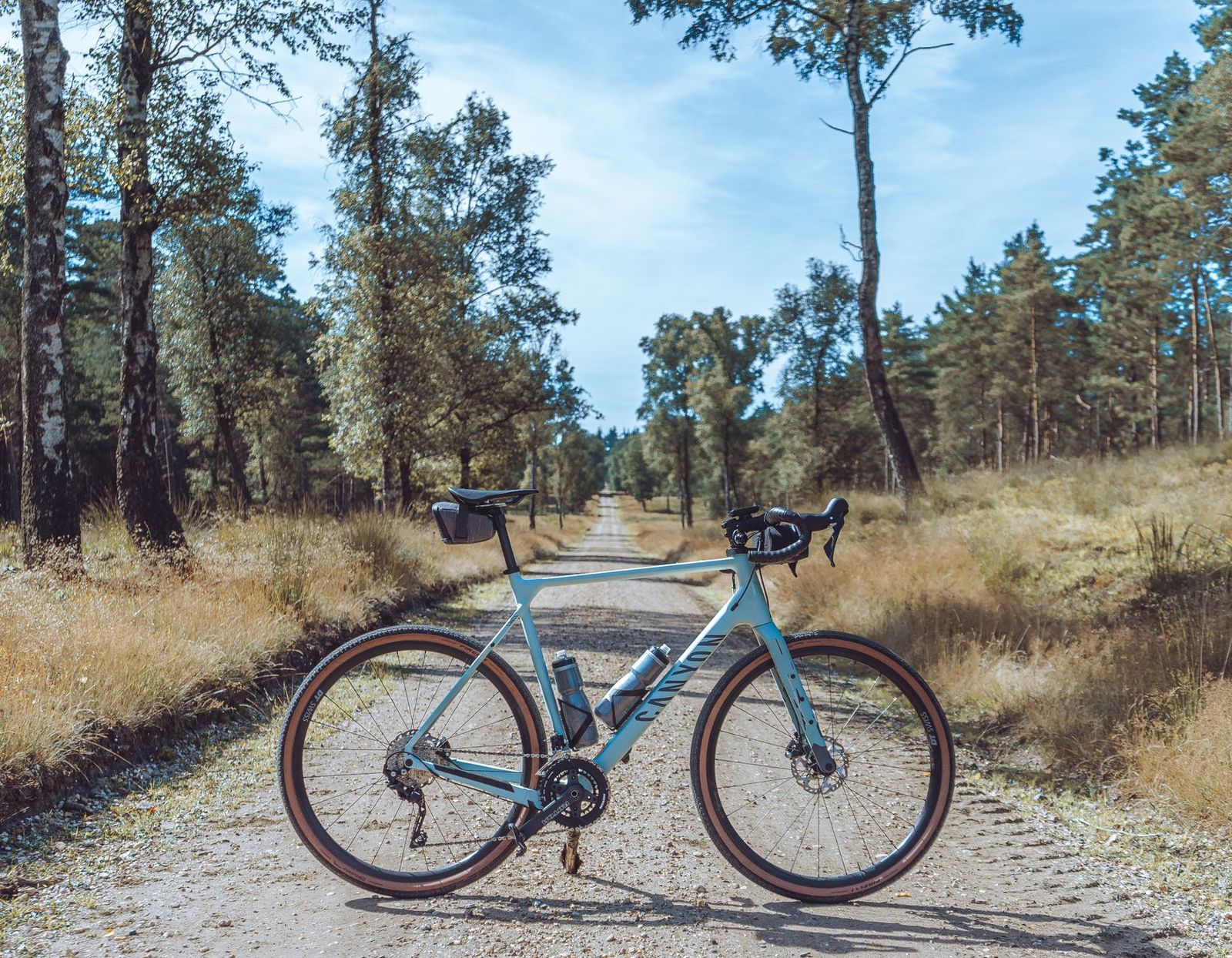
Canyon sells its road bikes direct to you, so the lineup can look confusing when every frame promises speed. The best canyon road bike is not the most expensive one in the range. It is the type that matches your roads, your position on the bike, and the kind of riding you do most weeks.
This guide walks through the Canyon road lineup by type rather than by badge. You will learn how the endurance, race, aero, and climbing focused frames differ in geometry, material, and gearing, and where the entry level and electric assist options fit. The sections below sum up the main types side by side.
Compare Products
Last update on 2026-11-25 / Affiliate links / Images, Product Titles, and Product Highlights from Amazon Product Advertising API
Endurance riders who spend long days in the saddle
If your rides run three hours or more on mixed road surfaces, the endurance type in the Canyon range fits you best. It uses a taller stack, a shorter reach, and wider tire clearance than the race frames, so your shoulders and hands stay relaxed late into a ride. Riders stepping up from a relaxed hybrid often land here, and our guide to the best road bike types explains how endurance geometry compares with other brands.
Racers and fast group riders chasing free speed
Riders who race, join fast chaingangs, or care about holding speed on flat and rolling roads should look at the aero and all round race types. These frames use deeper tube profiles, fully internal cables, and a long, low position that rewards flexibility. The trade off is a harsher ride and steering that feels nervous at slow speeds, so honest self assessment matters more than the brochure claims here.
Climbers and lighter riders who live in the hills
If most of your elevation comes from long climbs, the climbing focused type makes more sense than an aero frame. It pairs the lightest carbon layup in the range with low gearing and a stiff bottom bracket area, so watts go into forward motion instead of frame flex. Heavier or more powerful riders may prefer the stiffer race frame, because very light frames can feel flexible under big sprint efforts.
Discipline and geometry come first
Geometry decides how a Canyon road bike feels long before components do. Endurance frames carry a stack to reach ratio that keeps your torso more upright, while race and aero frames stretch you long and low. A longer front center also calms high speed descents but slows tight cornering. Compare the published stack and reach figures for your size rather than trusting size labels, because a medium in one Canyon type is not identical to a medium in another. If your flexibility is limited, the endurance geometry will make you faster over a full ride simply because you can hold the position.
Frame material and carbon grades
Canyon builds road frames in aluminum and in two broad carbon grades. The higher grade carbon saves roughly a few hundred grams and usually ships with better parts, while the standard grade carbon shares the same shapes at a friendlier price. Aluminum frames sit at the entry point of the range and suit new riders who want the brand fit without the carbon cost. Our overview of the best entry level road bike options shows what aluminum builds typically include at this level. Carbon needs more care after a crash, so factor in inspection costs if you ride in a tight bunch.
Gearing and groupset tiers
Most Canyon road bikes ship with either a compact or a semi compact front chainring pairing, matched to a wide range cassette. Climbers should favor the lower bottom gear, because spinning up a long grade beats grinding on your knees. Electronic shifting appears on the upper tiers and gives crisp shifts under load, plus easier setup with no cable stretch. Mechanical groupsets cost less and any shop can service them. The real jump in this lineup is from mechanical to electronic shifting, not one brand of groupset over another at the same level.
Wheels, tires, and clearance
Wheel depth and tire width shape both comfort and speed. Endurance and newer race frames clear tires around 30 to 32 mm wide, which lets you run lower pressure for grip and comfort on rough tarmac. Aero builds come with deeper section wheels that hold speed well but catch crosswinds, so lighter riders in gusty areas may prefer a shallower set. Check whether the wheelset is tubeless ready and what the system weight limit is, since some light carbon wheels cap rider plus bike weight lower than you might expect.
Proprietary cockpit and parts fit
Canyon uses its own cockpit and seatpost designs on many road models, and that affects ownership. Integrated cockpits look clean and cut drag, but changing your stem length or bar width may mean ordering a brand specific part instead of a standard stem. The brand also sells some sizes of bars and posts only through its own store. Before you order, confirm the cockpit dimensions listed for your size and read the returns window, because fit changes are easier within the trial period than after it closes.
Sizing and the direct to consumer buying process
Canyon sizes its road bikes with a measurement system based on your height and inseam, and following it closely matters more than guessing from your old frame. Women riders should note that Canyon offers women specific builds in parts of the range, with narrower bars and shorter cranks; our guide to the best women's road bike fit explains why those details change comfort. The bike arrives partly assembled in a large box, and final setup takes basic tools plus a torque wrench. Budget time for that setup, or pay a local shop to do a safety check before your first ride.
Canyon also sells a light electric assist road type for riders who want help on climbs without a heavy motor bike feel. These builds use a small hub or bottom bracket motor and a compact battery, and they ride much like the acoustic frames once the assist fades at the legal limit. They suit riders returning from injury or keeping up with faster partners. If assisted road riding is your main goal, compare the approach with the wider market in our guide to the best electric road bike designs before you decide.
- Buying the aero or race type for the looks, then struggling to hold the low position on rides over two hours.
- Guessing your size from another brand, which can leave you between Canyon sizes with a cockpit you cannot easily change.
- Ignoring the system weight limit on light carbon wheels, which risks wheel damage and voids warranty cover.
- Skipping a torque wrench during home assembly, so carbon parts get crushed by overtightened bolts.
- Ordering the stiffest frame for rough rural roads, where wider tires and an endurance layup would be faster in practice.
- Forgetting to register the bike and keep the invoice, which you need for warranty and crash replacement claims.
Wash the frame with mild soap and water and avoid pressure washers near bearings and the bottom bracket. Check carbon parts for cracks after any crash, even a low speed tip over, and stop riding a frame with visible damage until a shop inspects it. Keep the drivetrain clean and replace the chain on time so the cassette and chainrings last longer. Store the bike indoors away from damp and direct heat, and check bolt torque on the cockpit and seatpost every few months. Before every ride, squeeze the brakes, check tire pressure, and confirm both wheels are seated and tight.
Is Canyon a good road bike brand for a first carbon bike?
Yes, the standard grade carbon endurance and race types are a sensible first carbon step because you get modern geometry and disc brakes for less than many dealer brands. The main adjustment is buying without a test ride, so measure yourself carefully and use the trial return window if the fit feels wrong during the first weeks.
How does Canyon sizing compare with other road bike brands?
Canyon frames tend to run slightly long in reach for a given size label, and the brand uses its own size names that do not map exactly onto other makers. Always size from your inseam and the published stack and reach numbers. Riders between sizes usually do better on the smaller frame, because a longer stem is easier to fit than a frame that is simply too big.
Do Canyon road bikes come fully assembled?
No, the bike ships partly assembled in a box with the wheels, bars, and seatpost needing fitting, and the gears and brakes may need small adjustments. Canyon includes basic tools and guides, and most riders finish setup in under an hour. If you are not confident, a shop safety check costs far less than repairing a part damaged by a loose bolt on the first ride.
Are Canyon road bike parts easy to replace?
Wear items like chains, cassettes, brake pads, and tires are standard parts any shop can supply. The cockpit, seatpost, and some small fittings are brand specific designs, so replacements come from Canyon itself and can take longer to arrive. Check parts availability for your frame before a big trip, and carry spare hangers on remote rides.
Should I choose the endurance or the race Canyon for mixed riding?
Choose the endurance type if most rides are solo or social and last several hours, because its position and tire clearance forgive rough roads. Choose the race type if you regularly ride fast groups or race, and you already know you can hold a low position comfortably. When in doubt, the endurance frame is the safer long term buy for most riders.
Pick by discipline first, material second, and components last. The best canyon road bike for you is the one whose geometry you can ride all day and whose sizing you verified before ordering. Compare your shortlist by those points, double check tire clearance and weight limits, and wear a CPSC certified helmet that you replace after any crash.


Best Road Bike Stem: How Length, Angle, and Fit Actually Work

Best Aero Road Bike (2026): Buying Guide and Tips

Best Entry Level Road Bikes in 2026: Buying Guide

Best Aluminum Road Bike (2026): A Complete Guide

Best Climbing Road Bikes (2026): Weight and Gearing Guide

Best Road Bike Wheel Bags for Safe Storage and Travel

Best Road Bike Seat Bags: The Complete Sizing Guide

Best Carbon Fiber Road Bikes for 2026 | Buying Guide










