Best Polarized Mountain Bike Sunglasses
Polarized lenses have a reputation for cutting glare, but on singletrack that reputation comes with a real asterisk. The best polarized mountain bike sunglasses are not simply the darkest or the most glare resistant pair on the shelf. They are the pair that matches how and where you actually ride, since polarization changes how your eyes read terrain in ways that matter a lot more on a bike than they do on a beach or a boat. This guide covers when polarized lenses genuinely help, when they can work against you on trail, and the fit details that separate a good pair of riding glasses from an uncomfortable one.
Compare Products
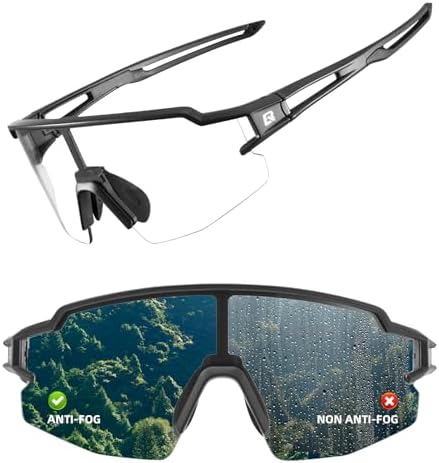
ROCKBROS Photochromic Sports Sunglasses Professional Anti Fog - UV400 Goggles
- TBB Score8.6
TrekBikesBlog (TBB) score is a ranking system that rates products on a scale of 1 to 10. The TrekBikesBlog score has no relationship or impact from any manufacturers or sales agent websites – it's an unbiased way to rate our products. Learn more
- BrandROCKBROS

ROCKBROS Polarized Sports Sunglasses Anti-Glare HD Cycling Sun Glasses
- TBB Score8.4
TrekBikesBlog (TBB) score is a ranking system that rates products on a scale of 1 to 10. The TrekBikesBlog score has no relationship or impact from any manufacturers or sales agent websites – it's an unbiased way to rate our products. Learn more
- BrandROCKBROS

- TBB Score9.2
TrekBikesBlog (TBB) score is a ranking system that rates products on a scale of 1 to 10. The TrekBikesBlog score has no relationship or impact from any manufacturers or sales agent websites – it's an unbiased way to rate our products. Learn more
- BrandN/A

- TBB Score8.8
TrekBikesBlog (TBB) score is a ranking system that rates products on a scale of 1 to 10. The TrekBikesBlog score has no relationship or impact from any manufacturers or sales agent websites – it's an unbiased way to rate our products. Learn more
- BrandN/A

- TBB Score8.2
TrekBikesBlog (TBB) score is a ranking system that rates products on a scale of 1 to 10. The TrekBikesBlog score has no relationship or impact from any manufacturers or sales agent websites – it's an unbiased way to rate our products. Learn more
- BrandN/A

- TBB Score-
TrekBikesBlog (TBB) score is a ranking system that rates products on a scale of 1 to 10. The TrekBikesBlog score has no relationship or impact from any manufacturers or sales agent websites – it's an unbiased way to rate our products. Learn more
- BrandFAGUMA

- TBB Score9.0
TrekBikesBlog (TBB) score is a ranking system that rates products on a scale of 1 to 10. The TrekBikesBlog score has no relationship or impact from any manufacturers or sales agent websites – it's an unbiased way to rate our products. Learn more
- BrandN/A
Last update on 2026-10-16 / Affiliate links / Images, Product Titles, and Product Highlights from Amazon Product Advertising API
For mountain biking, a wraparound lens with full UV400 protection matters more than polarization alone, and photochromic lenses handle shade best. These three are strong values.
Best for changing light: the ROCKBROS Photochromic Sports Sunglasses, around $27, adjust from about 83 to 16 percent light transmission and use an oversized wraparound lens.
Best polarized value: the ROCKBROS Polarized Sports Sunglasses, around $23, block 100 percent of UVA and UVB rays with a polycarbonate frame and rubber nose pads.
Best budget pick: the KAPVOE Polarized Cycling Glasses, around $20, are a low cost option for riders who want polarized lenses on open, sunny trails.
Polarized lenses filter horizontal light waves, which is exactly what cuts reflective glare off water, wet pavement, or a car hood. On a forested trail, that same filtering effect can mute the subtle shading and contrast cues you rely on to judge roots, ruts, and rock edges a split second before you ride over them. Riders who spend most of their time on shaded, technical singletrack often report that polarized lenses make the terrain feel slightly flatter and harder to read, especially in dappled light where shadows and sun patches alternate quickly.
Polarized lenses can also interfere with the LCD screens on some bike computers and phone mounts, making them harder to read at certain angles. This is a minor annoyance for most riders, but worth knowing if you rely heavily on a screen for navigation or ride data mid ride.
None of this means polarized lenses are a bad choice for every mountain biker. On exposed terrain like alpine fire roads, desert singletrack, or long gravel connectors between trailheads, glare off dry, dusty ground or open sky can be genuinely fatiguing over hours in the saddle, and polarization cuts that glare more effectively than a standard tint. Snow and wet rock in early season or high elevation riding are another case where polarized lenses earn their keep, since reflected light off bright snow or slick stone can be intense enough to affect visibility.
If your riding mixes long exposed climbs with short, punchy sections of shaded singletrack, a photochromic, non polarized lens is often the better all around compromise, since it adjusts tint to changing light without the depth perception tradeoff. Reserve polarized mountain bike sunglasses for riders who spend most of their saddle time on open, sun exposed terrain rather than tight, technical trees.
Regardless of tint choice, a larger lens with a wraparound profile gives you a wider field of view and better peripheral protection from branches, dust, and wind driven grit. Wraparound designs also reduce the wind induced eye tearing that smaller, flatter lenses allow in at the edges during fast descents. Make sure any pair you consider actually fits under or around your helmet's straps and visor without pinching at the temples, since a great lens ruined by an awkward helmet interaction is not worth the money.
Fogging is one of the most common complaints with any close fitting cycling sunglasses, and it gets worse the harder you climb. Frames that hold the lens slightly away from your face, rather than pressing tight against your cheeks and brow, allow more airflow and cut down on fog buildup. Some lenses use vented or drilled designs specifically to let warm, moist air escape, which matters more on sweaty climbs than on a fast, cool descent.
Many polarized lenses now add a hydrophilic anti fog coating on the inner surface, which spreads condensation into a thin, clear film instead of letting it bead up into cloudy droplets. This coating wears down with repeated wiping, so cleaning with the microfiber bag that comes with the glasses rather than a shirt hem or trail glove keeps the coating intact longer. Coating alone will not save you on a stalled, slow climb without airflow, which is why frame venting still matters even on lenses marketed as fog resistant.
Interchangeable lens systems give you a practical workaround for fog and light changes on the same ride: a clear or light rose lens for shaded, technical singletrack in the morning, swapped for the polarized lens once you hit open fire roads or a sunny ridge later in the day. Look for a tool free lens swap mechanism, since fumbling with small levers or screws mid ride is not realistic, and confirm the swap keeps the lens seated tightly rather than rattling loose over rough terrain.
Many mid range and premium frames now ship with two or three swappable lenses, so you can run a darker tint on bright days and a clear or light lens for early morning and dusk rides without buying a second pair of glasses entirely. This flexibility is worth paying for if you ride across a wide range of light conditions throughout the week. On the frame itself, look for textured rubber at the nose pads and temple arms, since a slick frame that slides down your nose on a bumpy descent is a constant distraction you do not want mid trail.
Are polarized sunglasses bad for mountain biking?
Not universally bad, but they can reduce the depth perception and contrast cues that help you read roots and rocks on shaded, technical trails. They work best on open, sun exposed terrain rather than tight singletrack under tree cover.
What's the difference between polarized and photochromic lenses?
Polarized lenses filter glare from reflective surfaces but stay a fixed tint. Photochromic lenses adjust their darkness based on ambient light, which suits riders moving between bright and shaded sections but does not specifically cut reflective glare the way polarization does.
Do polarized lenses interfere with my bike computer?
Some riders notice reduced screen readability at certain angles with polarized lenses, since polarization can interact with LCD displays. It is usually a minor issue but worth trying before committing to a single pair for every ride.
Should I get polarized sunglasses for gravel or road connectors on a mountain bike ride?
Yes, this is one of the better use cases for polarization, since long exposed sections with glare off pavement or dry ground benefit from the extra glare reduction more than shaded singletrack does.
How do I stop my sunglasses from fogging on climbs?
Look for a frame that holds the lens slightly away from your face and includes vented or drilled lens sections. Wiping lenses with an anti fog treatment before a ride can also help on especially humid days.
Are interchangeable lenses worth the extra cost?
If you ride in a wide range of lighting conditions throughout the week, yes. A single frame with two or three lens options often costs less than buying separate glasses for bright and low light rides.
Choosing the best polarized mountain bike sunglasses starts with thinking honestly about where most of your riding actually happens before committing to a polarized lens. Exposed, sun heavy terrain rewards polarization, while shaded, technical singletrack often rewards a standard or photochromic tint instead. Whichever tint you choose, prioritize a wraparound fit, good ventilation, and a frame that stays put on rough descents, since those details affect every single ride far more than the polarization debate ever will.

Best Bike Locks: What Actually Stops Theft

Best Mountain Bike Handlebars for Your Riding Style

Best Hardtail Mountain Bike for Every Need: How to Pick the Right One

Best Full Face Mountain Bike Helmets: What to Know

Best Bike Lights: Lumens, Beam Pattern, and Runtime

Best Bike Trailers: Hitch Fit, Weight, and Safety

Best Bicycle Touring Shoes for 2026 | Buying Guide

Best Bike Trainers: Direct Drive vs Wheel-On Explained