
Best Carbon Road Bike in 2026: Fit, Specs and Value Guide
Carbon fiber promises a road bike that is lighter, stiffer under power, and calmer over rough pavement, yet two carbon frames at the same price can ride very differently. Layup choices, geometry, and the parts hung on the frame matter more than the material label on its own. This guide explains how to choose the best carbon road bike for your riding, from frame design and fit to groupsets, wheels, and the price tiers where carbon starts to make sense.
If you are still weighing frame materials and categories, our overview of the best road bike options sets the wider scene. Here we stay with carbon: what it does well, where it asks for more care, and which specs separate a lively, comfortable bike from one that only looks fast in photos. The comparison table below lines up the main frame types and tiers.
Compare Products
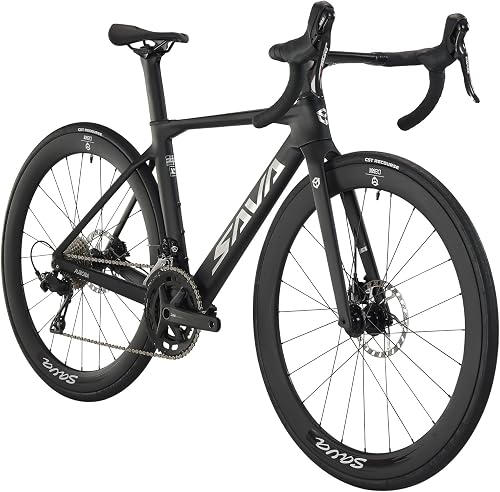
- TBB Score8.8
TrekBikesBlog (TBB) score is a ranking system that rates products on a scale of 1 to 10. The TrekBikesBlog score has no relationship or impact from any manufacturers or sales agent websites – it's an unbiased way to rate our products. Learn more
- BrandN/A

- TBB Score9.0
TrekBikesBlog (TBB) score is a ranking system that rates products on a scale of 1 to 10. The TrekBikesBlog score has no relationship or impact from any manufacturers or sales agent websites – it's an unbiased way to rate our products. Learn more
- BrandN/A

- TBB Score9.4
TrekBikesBlog (TBB) score is a ranking system that rates products on a scale of 1 to 10. The TrekBikesBlog score has no relationship or impact from any manufacturers or sales agent websites – it's an unbiased way to rate our products. Learn more
- BrandN/A

- TBB Score10.0
TrekBikesBlog (TBB) score is a ranking system that rates products on a scale of 1 to 10. The TrekBikesBlog score has no relationship or impact from any manufacturers or sales agent websites – it's an unbiased way to rate our products. Learn more
- BrandN/A
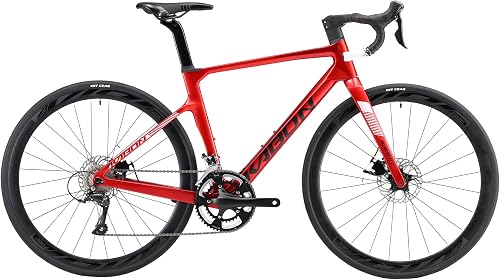
- TBB Score9.0
TrekBikesBlog (TBB) score is a ranking system that rates products on a scale of 1 to 10. The TrekBikesBlog score has no relationship or impact from any manufacturers or sales agent websites – it's an unbiased way to rate our products. Learn more
- BrandN/A
Last update on 2026-11-28 / Affiliate links / Images, Product Titles, and Product Highlights from Amazon Product Advertising API
Endurance riders who want comfort on long days
If your rides run three hours or more, carbon in an endurance shape is the draw. Endurance frames pair an upright position with layups tuned to mute road buzz in the seat stays and fork, so your shoulders and hands fade slower than your legs. Look for clearance for tires around 32 to 35 mm, which adds comfort no layup trick can match on chipped pavement.
Club racers and fast group riders
Riders chasing segments and sprint finishes benefit from the other side of carbon: stiffness around the bottom bracket and head tube that turns hard efforts into speed with little flex. Race geometry puts you lower and longer, and aero tube shapes on higher tiers trim drag. The trade is a position that asks for flexibility and core strength, so honest self assessment matters before paying for it.
Upgraders moving on from an aluminum bike
If you already own an aluminum road bike and ride it often, carbon is the classic upgrade step. You keep the fit knowledge and pedals you like, while gaining a frame that typically saves weight and softens sharp impacts. The jump feels biggest when the new bike also brings a better wheelset and a modern groupset, so budget for the whole package rather than the frame alone.
Frame weight and carbon layup
Carbon layup is the recipe of fiber grades and resin that decides how a frame balances stiffness, comfort, and weight. Higher grade fibers cost more and let builders hit the same stiffness with less material, which is why flagship frames can weigh around 700 to 800 grams while entry carbon frames land closer to 1,000 grams or more. Total bike weight tells the fuller story: a light frame with heavy wheels rides no better than a modest frame with smart parts. Judge the complete bike weight, usually about 8 to 9 kg at entry carbon prices and under 8 kg as budgets climb, and treat layup marketing names as a rough guide rather than a spec you can compare across brands.
Geometry: race versus endurance fit
Geometry decides how the bike places your body, and carbon frames split into two broad camps. Race geometry uses a low front end and long reach, which suits flexible riders who want an aero tuck and sharp steering. Endurance geometry raises the stack and shortens reach, easing pressure on your neck, shoulders, and lower back over long miles. Numbers matter more than labels: compare stack and reach figures for your size rather than trusting size names, since a 54 cm frame from one brand can fit like a 56 cm from another. If you are between camps, endurance geometry is the safer default for most road riders.
Groupset and shifting
The groupset drives shifting quality, braking, and a good share of the price. Mechanical 12 speed groups from the big makers now shift cleanly and keep costs sane, while electronic shifting brings exact, low effort gear changes at a clear premium. For most buyers, a mid level group with hydraulic disc brakes is the value point: shift feel is close to flagship parts, and replacement chains and cassettes stay affordable. Pay attention to gearing, too. A compact 50/34 crankset paired with a wide range cassette keeps climbing gears in reserve, while taller race gearing suits strong riders on flatter ground.
Wheels and tires
Wheels are the fastest place to change how a carbon bike feels. Stock wheelsets on entry carbon bikes are often heavy, and a later upgrade to lighter wheels can transform acceleration and comfort more than a frame swap. Rim depth is a choice, not a ladder: shallow rims around 30 mm stay calm in crosswinds and climb well, while deeper 45 to 60 mm rims hold speed on flat roads but catch gusts. Tire clearance deserves a hard look as well. Room for 30 to 35 mm tires, set up tubeless at lower pressure, gives grip and comfort that suit real roads far better than skinny tires pumped rock hard.
Brakes and tire clearance
Hydraulic disc brakes are now standard on carbon road bikes, and they earn their place with stronger, more consistent stopping in rain and on long descents, plus lighter hand effort than rim brakes. Rotor sizes of 160 mm front and rear are typical. Disc brakes also free frame designers to allow wider tires, since there is no caliper limiting clearance. When you compare models, check the stated maximum tire size, and remember that powerful brakes reward smooth technique: squeeze progressively rather than grabbing, especially on wet descents.
Carbon bikes are sold by frame size numbers and letters that vary between brands, so shop by geometry figures instead. Standover height should leave a small gap when you stand over the top tube in cycling shoes. Reach and stack decide how stretched and how low you sit, and they are the two numbers worth comparing across brands. Riders with shorter torsos or limited flexibility often do better on endurance geometry, and many brands shape their women specific frames and touch points around those proportions; our guide to the best women's road bike options explains those fit differences in detail. A professional bike fit costs less than a wheelset and protects your knees, back, and neck over thousands of miles, so it is money well spent at carbon prices. Before any first ride, check brake lever reach and tire pressure, and confirm the wheels are seated and the thru axles are snug.
Prices spread widely, and each tier buys something real. Entry carbon bikes run about $1,200 to $2,800 and pair a sound frame with mechanical shifting and heavier wheels; riders cross shopping aluminum models should read our guide to the best entry level road bike picks to see what the step up adds. The middle tier, about $3,000 to $4,500, usually brings electronic shifting or a top mechanical group, better wheels, and lighter layups. Above about $5,000 you pay for flagship frames, deep section wheels, and small weight savings that matter most to racers. Past that point, gains shrink fast for everyday riders.
Aluminum frames remain the value benchmark: modern alloy bikes ride far better than their reputation, cost less, and shrug off knocks that would worry a carbon owner. Carbon wins when low weight, tuned stiffness, and shaped tubes top your list, and when you will care for it properly. One more alternative deserves a thought: if your routes are steep and long, the motor assist of the best electric road bike can flatten climbs while keeping road bike handling, at the cost of extra weight and charging routines.
- Buying race geometry for the looks, then fighting neck and back pain on every long ride because the position never matched your flexibility.
- Judging a bike by frame weight alone and ignoring the heavy stock wheels that blunt the light feel you paid for.
- Overtightening bolts on carbon parts, which can crush a seat post or handlebar instead of holding it safely.
- Skipping a close inspection after a crash, so hidden carbon damage goes unnoticed until it fails.
- Spending the whole budget on the bike and leaving nothing for a proper fit, shoes, and a helmet that meets current safety standards.
Carbon asks for gentler handling than metal, not more fuss overall. Use a torque wrench on every clamp bolt and stay at the printed values, and apply carbon assembly paste to seat posts and handlebars so parts grip at lower torque. Clamp the seat post, never the frame tubes, in a work stand, and pad the frame during car transport. Wash with mild soap and water, keep strong degreasers off the finish, and store the bike indoors away from heat. After any crash, inspect the frame for cracks or soft spots and have a shop check anything doubtful before you ride again. A pre ride habit of squeezing the brakes and checking tire pressure takes seconds and catches problems early.
Are carbon road bikes worth the extra cost over aluminum?
For riders who log long miles every week, usually yes: the weight savings, shaped tubes, and vibration damping are real, and the ride feel encourages more riding. For occasional riders, a quality aluminum bike with good tires delivers most of the experience for much less money, and it tolerates clumsy handling better. The deciding factor is how much you ride, not the material alone.
How long does a carbon road bike frame last?
A well kept carbon frame can last many years, because carbon fiber does not fatigue the way metals do over normal use cycles. Its real enemies are impacts, crushed clamping points, and ultraviolet exposure over long periods. Store the bike indoors, follow torque specs, and retire or professionally inspect any frame that has taken a hard crash, even when the surface looks fine.
Can a cracked carbon road bike frame be repaired?
Often, yes. Specialist repair shops can rebuild damaged carbon sections and repaint them, and a proper repair restores structural strength in most tube areas. Repairs make the most sense on higher value frames; on entry models the cost can approach the price of a replacement. Never ride a frame with visible cracks while you decide, since damage can grow without warning.
How much does a good carbon road bike weigh?
Complete carbon road bikes typically weigh about 7 to 9 kg, with entry models near the top of that range and flagship race bikes near the bottom. Wheels, tires, and groupset choices move the total more than small frame differences do. Chasing the last few hundred grams gets expensive quickly, so most riders get better value from lighter wheels and tires first.
Do carbon road bikes need special tools for home maintenance?
Only a couple. A preset torque wrench is the essential one, because most carbon damage at home comes from overtightened clamps. Carbon assembly paste, a soft brush, and mild soap cover routine care. Everything else (chain tools, cassette tools, bleed kits for hydraulic brakes) is shared with any modern road bike, so your existing kit mostly carries over.
Carbon rewards riders who know what they want from it. Match the geometry to your body, treat wheels and gearing as part of the frame decision, and respect the torque wrench and crash checks that keep the material safe. Do that, and the best carbon road bike for you will feel fast on Saturday and still be comfortable on Sunday. Use the product table above to compare the tiers, then confirm sizing with a short ride or a professional fit before you order. Start every ride with a quick brake and tire check and a helmet that meets current safety standards.

Best Cervelo Road Bikes of 2026: Which Type Should You Buy?
Best Cannondale Road Bikes of 2026: How to Choose the Right Type

Best Aero Bars for Road Bike Riders | 2026 Guide

Best Disc Brake Road Bikes in 2026: A Complete Buying Guide
Best Diamondback Road Bikes of 2026: Which Model Should You Buy?
Best Canyon Road Bikes of 2026: Which Model Should You Buy?

Best Road Bike Stem: How Length, Angle, and Fit Actually Work

Best Aero Road Bike (2026): Buying Guide and Tips










