
Best Aero Bars for Road Bike Riders | 2026 Guide
Aero bars used to be strictly a triathlon and time trial accessory, but plenty of road cyclists now bolt on a set for long solo rides, gravel events, or just to have a rest position on windy stretches. If you are researching the best aero bars for road bike use, the decision comes down to a smaller list of factors than the crowded market suggests: how the bars attach to your existing setup, how much adjustability they offer, and whether you have actually put in the time to get comfortable riding in the position before racing or touring on them. This guide covers what to check before buying and how to avoid the most common first time mistakes.
Compare Products

- TBB Score8.4
TrekBikesBlog (TBB) score is a ranking system that rates products on a scale of 1 to 10. The TrekBikesBlog score has no relationship or impact from any manufacturers or sales agent websites – it's an unbiased way to rate our products. Learn more
- BrandJoxvizx

- TBB Score8.6
TrekBikesBlog (TBB) score is a ranking system that rates products on a scale of 1 to 10. The TrekBikesBlog score has no relationship or impact from any manufacturers or sales agent websites – it's an unbiased way to rate our products. Learn more
- BrandREDSHIFT

- TBB Score8.4
TrekBikesBlog (TBB) score is a ranking system that rates products on a scale of 1 to 10. The TrekBikesBlog score has no relationship or impact from any manufacturers or sales agent websites – it's an unbiased way to rate our products. Learn more
- BrandProfile Design

- TBB Score8.4
TrekBikesBlog (TBB) score is a ranking system that rates products on a scale of 1 to 10. The TrekBikesBlog score has no relationship or impact from any manufacturers or sales agent websites – it's an unbiased way to rate our products. Learn more
- BrandProfile Design

- TBB Score8.4
TrekBikesBlog (TBB) score is a ranking system that rates products on a scale of 1 to 10. The TrekBikesBlog score has no relationship or impact from any manufacturers or sales agent websites – it's an unbiased way to rate our products. Learn more
- BrandProfile Design

- TBB Score9.2
TrekBikesBlog (TBB) score is a ranking system that rates products on a scale of 1 to 10. The TrekBikesBlog score has no relationship or impact from any manufacturers or sales agent websites – it's an unbiased way to rate our products. Learn more
- BrandBBB

- TBB Score-
TrekBikesBlog (TBB) score is a ranking system that rates products on a scale of 1 to 10. The TrekBikesBlog score has no relationship or impact from any manufacturers or sales agent websites – it's an unbiased way to rate our products. Learn more
- BrandRXL SL
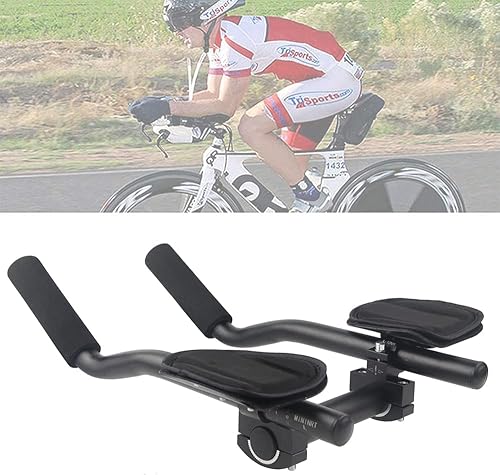
- TBB Score7.4
TrekBikesBlog (TBB) score is a ranking system that rates products on a scale of 1 to 10. The TrekBikesBlog score has no relationship or impact from any manufacturers or sales agent websites – it's an unbiased way to rate our products. Learn more
- BrandN/A

- TBB Score8.4
TrekBikesBlog (TBB) score is a ranking system that rates products on a scale of 1 to 10. The TrekBikesBlog score has no relationship or impact from any manufacturers or sales agent websites – it's an unbiased way to rate our products. Learn more
- BrandN/A
Last update on 2026-11-27 / Affiliate links / Images, Product Titles, and Product Highlights from Amazon Product Advertising API
These three stand out in the product table above for different budgets and needs.
Best overall: the TT Bike Handlebar Aero Bars Extension For Road Bike, around $269, is our first choice from the table.
Best value: the RXL SL carbon handlebars aero handlebars for road bike, around $56, is the lowest priced of these three.
Also great: the Profile Design Century Aero Bar, around $115, is another strong option with a different set of features.
Most road riders adding aero bars to an existing bike go with a clip on style, which bolts onto your current handlebar without requiring a full cockpit swap. These typically include extensions that reach forward, armrests to support your forearms, and a base clamp that fits standard round handlebar diameters. The appeal is straightforward: you keep your normal brake levers and shifting in easy reach for regular riding, and only move onto the extensions when you want the aerodynamic position.
Integrated aero bar and base bar systems, more common on dedicated triathlon or time trial bikes, replace the entire front end as one unit. They tend to offer a cleaner aerodynamic shape and more precise fit adjustment since the whole system is designed together, but they are a bigger investment and not something most road riders retrofit onto a bike built for group rides and everyday use. For anyone who rides both a standard drop bar position and an aero position on the same bike, a quality clip on setup is almost always the more practical choice. If you want to see what a fully integrated setup looks like on a race oriented frame, our writeup on a new integrated aerobar option is a good next read.
It is tempting to shop for aero bars based purely on wind tunnel marketing claims, but fit adjustability matters more for the average rider. Extension length, the reach and width between armrests, and the angle of the pads all need to match your body and flexibility, or the position becomes uncomfortable within minutes rather than something you can hold for hours. Bars with a wide range of armrest height and fore aft adjustment let you fine tune the position gradually as your flexibility and comfort improve, instead of locking you into whatever angle the bar ships with.
Armrest padding quality is another detail worth checking closely, since your forearms bear real weight in the aero position and cheap, thin padding gets uncomfortable fast on longer rides. Riders who plan to use aero bars for multi hour rides or events generally do better prioritizing a well padded, highly adjustable setup over the single lightest or most aggressively shaped option on the market.
Not every road handlebar accepts clip on aero bars cleanly. Compact or shallow drop bars usually have plenty of clamping surface near the tops, but some aero shaped road handlebars use a flattened or non round profile that certain clip on mounts cannot grip securely. Checking the stated clamp diameter and shape compatibility before buying avoids a mismatched setup that either will not tighten properly or damages the bar's finish.
Brake and shift lever position is worth thinking through as well. Aero bar extensions should not block your hands from reaching the brake levers quickly when you shift out of the aero position, and on a bike with bar end shifters or certain bolt on accessories near the tops, some clip on mounts simply will not have room to clamp on without relocating other gear first.
Cable and housing routing deserves a quick check too. Adding a bulky clip on base near the stem can crowd cables that run along the tops of the bar, sometimes forcing you to reroute a section of housing or reposition a computer mount to keep everything clear of the new hardware. It is a minor adjustment, but one that is easier to plan for before installation than to fix afterward.
New aero bar owners often make the same mistake: bolting them on and immediately trying to hold the position for a long ride or event. The aero position uses different core and shoulder muscles than a normal drop bar grip, and riding in it comfortably takes real conditioning, usually built up over several weeks of short practice sessions before extending the time spent in the position. Starting with quiet, low traffic roads or a stationary trainer also matters, since steering and braking response feel noticeably different with your hands off the normal grips.
Group rides and crowded events are not the place to test a new aero setup for the first time. Most experienced riders recommend keeping the best aero bars for road bike use tucked away from busy group settings until you can hold the position steadily, brake confidently from it, and exit it smoothly, which typically takes longer than new riders expect. Practicing on an indoor trainer first, where balance and traffic are not factors, gives you a safe way to build that comfort before taking the position outside.
Are aero bars legal to use on a road bike in group rides?
Many organized group rides and some races restrict aero bar use for safety reasons, so it is worth checking event rules before assuming you can use them.
Do clip on aero bars fit any road handlebar?
Most fit standard round drop bars, but some aero shaped or non round handlebars are not compatible with every clamp design, so checking compatibility first matters.
How long does it take to get comfortable in an aero position?
Most riders need several weeks of short, gradual practice sessions before the position feels stable and comfortable for extended periods.
Do aero bars actually make a noticeable speed difference?
Yes, the position significantly reduces frontal wind resistance, which is why triathletes and time trial riders rely on them so heavily.
Can I still brake quickly while using aero bar extensions?
You need to move your hands back to the normal brake levers to brake, which is why practicing quick transitions out of the position is important before relying on it in traffic.
Are heavier padded armrests worth the extra weight?
For most riders, yes, since comfort over long rides matters more than the small weight difference from added padding.
Picking the best aero bars for road bike riding comes down to matching a clip on or integrated system to how and where you actually ride, then prioritizing fit adjustability over marketing claims about aerodynamics. Give yourself real time to train into the position before counting on it for a long event, and the investment pays off in comfort and speed rather than becoming a bar you bolt on once and never touch again.


Best Disc Brake Road Bikes in 2026: A Complete Buying Guide
Best Diamondback Road Bikes of 2026: Which Model Should You Buy?
Best Canyon Road Bikes of 2026: Which Model Should You Buy?

Best Road Bike Stem: How Length, Angle, and Fit Actually Work

Best Aero Road Bike (2026): Buying Guide and Tips

Best Entry Level Road Bikes in 2026: Buying Guide

Best Aluminum Road Bike (2026): A Complete Guide

Best Climbing Road Bikes (2026): Weight and Gearing Guide










