
Best Sleeping Pads for Bikepacking: The Buyer Checklist We Use
A good night's sleep decides whether day two of a bikepacking trip feels great or miserable. The sleeping pad does two jobs: it cushions you from rocks and roots, and it insulates you from the cold ground, which steals heat far faster than air. On a bike, the pad also has to pack small enough for a handlebar roll or frame bag and weigh little enough for long climbs.
To find the best sleeping pads for bikepacking, we use a clear checklist covering packed size, weight, warmth, comfort, durability and inflation. This guide explains each criterion, shares three picks that pass, offers a quick buyer checklist and red flags, and answers common questions.
The product table above lists current options and prices.
Compare Products

- TBB Score8.8
TrekBikesBlog (TBB) score is a ranking system that rates products on a scale of 1 to 10. The TrekBikesBlog score has no relationship or impact from any manufacturers or sales agent websites – it's an unbiased way to rate our products. Learn more
- BrandGear Doctors

- TBB Score-
TrekBikesBlog (TBB) score is a ranking system that rates products on a scale of 1 to 10. The TrekBikesBlog score has no relationship or impact from any manufacturers or sales agent websites – it's an unbiased way to rate our products. Learn more
- BrandExped
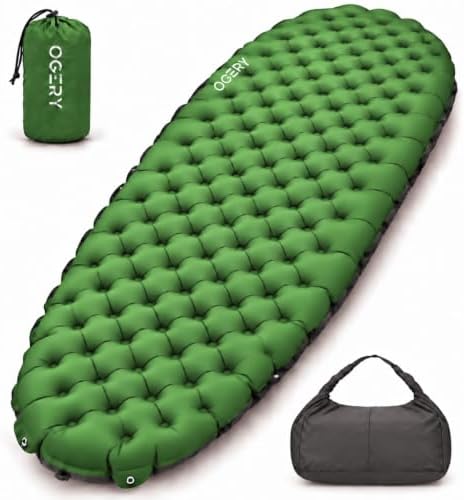
OGERY R-Value 9.0 Sleeping Pad for Camping, Insulated Sleeping Pad
- TBB Score8.8
TrekBikesBlog (TBB) score is a ranking system that rates products on a scale of 1 to 10. The TrekBikesBlog score has no relationship or impact from any manufacturers or sales agent websites – it's an unbiased way to rate our products. Learn more
- BrandOGERY

NEMO Equipment Tensor Extreme Sleeping Pad-Black/Birch Bud/Citron-Long Wide
- TBB Score9.0
TrekBikesBlog (TBB) score is a ranking system that rates products on a scale of 1 to 10. The TrekBikesBlog score has no relationship or impact from any manufacturers or sales agent websites – it's an unbiased way to rate our products. Learn more
- BrandNEMO Equipment

- TBB Score8.8
TrekBikesBlog (TBB) score is a ranking system that rates products on a scale of 1 to 10. The TrekBikesBlog score has no relationship or impact from any manufacturers or sales agent websites – it's an unbiased way to rate our products. Learn more
- BrandSea to Summit

- TBB Score8.4
TrekBikesBlog (TBB) score is a ranking system that rates products on a scale of 1 to 10. The TrekBikesBlog score has no relationship or impact from any manufacturers or sales agent websites – it's an unbiased way to rate our products. Learn more
- BrandTherm-a-Rest

Big Agnes Divide Insulated | Lightweight, Compact, 3-Season Air Chamber
- TBB Score9.2
TrekBikesBlog (TBB) score is a ranking system that rates products on a scale of 1 to 10. The TrekBikesBlog score has no relationship or impact from any manufacturers or sales agent websites – it's an unbiased way to rate our products. Learn more
- BrandBig Agnes

- TBB Score8.8
TrekBikesBlog (TBB) score is a ranking system that rates products on a scale of 1 to 10. The TrekBikesBlog score has no relationship or impact from any manufacturers or sales agent websites – it's an unbiased way to rate our products. Learn more
- BrandBig Agnes

ATEPA ThermAir Pro Sleeping Pad, 6.6 R-Value Insulated Camping Mattress
- TBB Score8.4
TrekBikesBlog (TBB) score is a ranking system that rates products on a scale of 1 to 10. The TrekBikesBlog score has no relationship or impact from any manufacturers or sales agent websites – it's an unbiased way to rate our products. Learn more
- BrandATEPA

- TBB Score8.6
TrekBikesBlog (TBB) score is a ranking system that rates products on a scale of 1 to 10. The TrekBikesBlog score has no relationship or impact from any manufacturers or sales agent websites – it's an unbiased way to rate our products. Learn more
- BrandNaturehike

Hikenture Sleeping Pad R-Value 6.2 Insulated Camping Mattress for Cold
- TBB Score8.8
TrekBikesBlog (TBB) score is a ranking system that rates products on a scale of 1 to 10. The TrekBikesBlog score has no relationship or impact from any manufacturers or sales agent websites – it's an unbiased way to rate our products. Learn more
- BrandHikenture
Last update on 2026-11-08 / Affiliate links / Images, Product Titles, and Product Highlights from Amazon Product Advertising API
We judge bikepacking pads on six criteria.
Packed Size
A good bikepacking pad packs to roughly the size of a water bottle or smaller, so it fits in a handlebar roll or frame bag alongside a tent. Bulky foam pads that strap to the outside of bags score poorly unless you ride smooth roads.
Weight
Ultralight inflatable pads weigh about 12 to 24 ounces, with the Gear Doctors ApolloAir listed at 22 ounces. Pads over about 2 pounds add noticeable weight on climbs, though they may offer more comfort.
Warmth and R Value
R value measures insulation from the ground. About R 2 to 3 suits summer, R 3 to 5 suits three season trips and R 5 or more suits cold nights and shoulder seasons. Some insulated pads reach R 9 for winter camping.
Comfort and Thickness
Pads of about 3 to 4 inches thick keep side sleepers' hips off the ground. Baffle and air cell designs affect stability; wider pads around 25 inches suit restless sleepers but pack larger.
Durability
Fabrics of 20 to 40 denier nylon resist punctures better than ultra thin shells. A patch kit should be included, and a ground sheet or tent floor adds protection.
Inflation
Built in foot pumps and pump sacks inflate pads quickly without putting moisture from your breath inside, which can cause mold and reduce insulation in cold weather. Flat, wide valves deflate fast in the morning.
These three meet our criteria for different trips.
Best Overall
The Gear Doctors ApolloAir, around $70, suits three season bikepackers who want a light, warm pad. It weighs about 22 ounces, offers an R value of 5.2 for cool nights and packs small for a handlebar roll. The limitation is a narrower design than wide sleeping pads.
Best Ultralight
The Exped Ultra, a lightweight inflatable backpacking pad, is ideal for riders counting every gram on summer and early autumn trips. Exped is known for durable fabrics and efficient valves. The limitation is a higher price than budget pads.
Best for Cold Nights
The OGERY insulated sleeping pad, around $55, offers an R value of 9.0 and 4.7 inch thick air cells for side and back sleepers, packing down compactly for its warmth. The limitation is more weight and bulk than summer pads.
- Does it pack small enough for your bags?
- Does the R value match your coldest night?
- Is it thick enough for how you sleep?
- Does it include a pump sack or foot pump?
- Is a repair kit included?
- Does it weigh under about 2 pounds?
- No R value listed.
- Very thin fabric with no repair kit.
- Packed size missing from the listing.
- Valves that stick out and can snag in bags.
Choose an inflatable air pad for the best comfort and smallest packed size, which is why most bikepackers use them. Closed cell foam pads are nearly indestructible and cheap but bulky, so they usually strap outside a bag; some riders carry a thin foam pad under an air pad for extra warmth and puncture protection. Self inflating pads combine foam and air for comfort and warmth but are heavier and bulkier than air pads, making them better for car camping than bikepacking.
Roll the deflated pad tightly and pack it in the handlebar roll with your sleeping bag and tent body, which are light but bulky. Keep the repair kit and pump sack in an easy to reach pocket. If you carry a foam pad, strap it under the handlebar roll or across the saddle bag and protect it from tire spray with a dry bag.
- Clear sticks and stones before pitching.
- Use a pump sack instead of breath to avoid moisture inside.
- Store the pad unrolled with the valve open at home.
- Carry the patch kit on every trip.
If your pad slowly deflates overnight, inflate it at camp and listen or feel for escaping air, or brush soapy water over the surface and watch for bubbles. Dry the area, apply the patch from the repair kit and let it cure before using the pad. Check the valve too, since grit in the seal is a common cause of slow leaks.
These are the questions bikepackers ask most.
How do I choose the right temperature rating?
Pads use R value rather than temperature. Choose about R 2 to 3 for summer, R 3 to 5 for spring and autumn and R 5 or more for cold nights. Pair the pad with a sleeping bag rated about 10 degrees below the coldest expected temperature.
Is ultralight gear worth the price?
For frequent bikepackers, yes. Lighter, smaller pads make packing easier and climbs less tiring. Occasional riders can start with an affordable insulated pad and upgrade later.
What R value do I need?
For most three season bikepacking, an R value of about 3 to 5 is ideal. Summer trips in warm areas can use R 2, while winter and high altitude trips need R 5 or more.
How long does camping gear last?
A quality inflatable pad lasts several seasons with care. Puncture repairs are simple with a patch kit, and storing the pad unrolled helps the internal insulation last.
The three things that matter most are packed size, an R value that suits your nights and enough thickness for comfortable sleep. Three season riders should choose a light R 4 to 5 pad, gram counters will love ultralight air pads and cold weather bikepackers need high R value insulated pads. Use this guide to choose the best sleeping pads for bikepacking, then check the product table above for current prices. Complete your sleep system with the best bikepacking sleeping bags.

Best Bike Pedal Extenders: What Actually Matters Before You Buy

Best Pannier Bags for Commuting, Touring, and Everyday Hauling

Best Tents for Bikepacking: Which One Fits the Way You Use It?

Best Apartment Bike Storage Racks for Small Spaces

The Best Touring Bike Tires: Buying Guide and Top Picks

Best Mountain Bike Tire Plug Kit by Budget: Smart Picks for 2026

Best CO2 Inflator for Mountain Bike: A First Time Buyer's Guide for 2026

Best Grease for Mountain Bike at Every Price: What Your Money Really Gets You










