
Best Saddle Bags for Bikepacking: Budget, Midrange, and Premium Picks
A bikepacking saddle bag is a large, tapered seat pack that straps to your seatpost and saddle rails, carrying clothing, a sleeping bag or food without a rack. It keeps your bike narrow and nimble on trails, works on almost any frame and is the backbone of most bikepacking setups.
Prices range from about $20 to well over $100, and the differences show up in sway, waterproofing and durability. This guide explains what your money gets at each tier so you can choose the best saddle bags for bikepacking. The short answer: a 10 to 15 liter waterproof roll top bag with a stiff base and secure straps suits most riders; spend more if you ride rough trails often and want minimal sway.
The product table above lists current options and prices.
Compare Products

- TBB Score8.0
TrekBikesBlog (TBB) score is a ranking system that rates products on a scale of 1 to 10. The TrekBikesBlog score has no relationship or impact from any manufacturers or sales agent websites – it's an unbiased way to rate our products. Learn more
- BrandOFFBONDAGE

- TBB Score8.8
TrekBikesBlog (TBB) score is a ranking system that rates products on a scale of 1 to 10. The TrekBikesBlog score has no relationship or impact from any manufacturers or sales agent websites – it's an unbiased way to rate our products. Learn more
- BrandRhinowalk
- TBB Score8.6
TrekBikesBlog (TBB) score is a ranking system that rates products on a scale of 1 to 10. The TrekBikesBlog score has no relationship or impact from any manufacturers or sales agent websites – it's an unbiased way to rate our products. Learn more
- BrandROCKBROS

- TBB Score8.2
TrekBikesBlog (TBB) score is a ranking system that rates products on a scale of 1 to 10. The TrekBikesBlog score has no relationship or impact from any manufacturers or sales agent websites – it's an unbiased way to rate our products. Learn more
- BrandN/A

- TBB Score8.6
TrekBikesBlog (TBB) score is a ranking system that rates products on a scale of 1 to 10. The TrekBikesBlog score has no relationship or impact from any manufacturers or sales agent websites – it's an unbiased way to rate our products. Learn more
- BrandN/A

- TBB Score8.2
TrekBikesBlog (TBB) score is a ranking system that rates products on a scale of 1 to 10. The TrekBikesBlog score has no relationship or impact from any manufacturers or sales agent websites – it's an unbiased way to rate our products. Learn more
- BrandN/A

- TBB Score8.0
TrekBikesBlog (TBB) score is a ranking system that rates products on a scale of 1 to 10. The TrekBikesBlog score has no relationship or impact from any manufacturers or sales agent websites – it's an unbiased way to rate our products. Learn more
- BrandN/A

SILCA Mattone Bike Saddle Bag with BOA Closure - Standard
- TBB Score9.4
TrekBikesBlog (TBB) score is a ranking system that rates products on a scale of 1 to 10. The TrekBikesBlog score has no relationship or impact from any manufacturers or sales agent websites – it's an unbiased way to rate our products. Learn more
- BrandSILCA
Last update on 2026-11-12 / Affiliate links / Images, Product Titles, and Product Highlights from Amazon Product Advertising API
These three cover each budget.
Best Budget Pick
The OFFBONDAGE Waterproof Bike Saddle Bag, around $20, offers about 15 liters of capacity for road and mountain bikes. It is an affordable way to try bikepacking or carry extra layers on long rides. The limitation is less stability on rough trails than pricier bags.
Best Midrange Pick
The Rhinowalk Waterproof Bike Saddle Bag, around $34, holds 13 liters under the seat for mountain biking, road riding and commuting trips. It balances capacity, waterproofing and price. The limitation is that heavy loads still need careful packing to reduce sway.
Best Premium Pick
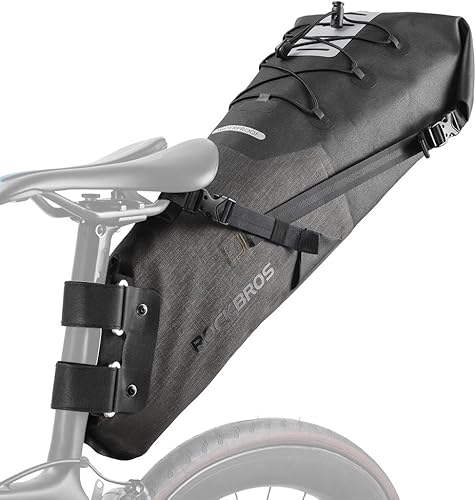
The ROCKBROS Bikepacking Bike Saddle Bag, around $80, is a 15 liter waterproof seat pack built for multi day trips, with a well established following among riders. It suits regular bikepackers. The limitation is the higher price.
Here is what to expect.
Budget Tier: Around $20 to $35
Roll top bags with basic waterproof fabric, simple straps and moderate capacity. They work well for road and gravel riding and occasional overnighters, though they may sway more when full.
Midrange Tier: Around $35 to $70
The sweet spot. Expect better waterproof materials, stiffer bases, improved strap systems and reflective details, plus more consistent stability.
Premium Tier: Around $70 to $150
Premium bags add tougher fabrics, harness or holster systems with removable dry bags, anti sway designs and strong warranties. Spending more pays off for rough trails and long trips.
Here is what matters most.
Worth It: Stability
A stiff base, a wide seatpost strap and tight rail straps reduce sway, which is the biggest complaint with large saddle bags.
Worth It: Waterproofing
Roll top closures and welded seams keep gear dry. A sleeping bag that gets wet ruins a trip.
Worth It: Compression Straps
Compression straps shrink the bag when it is not full, keeping the load tight.
Consider: Dropper Post Compatibility
Standard saddle bags block dropper posts. If you use one, choose a dropper specific bag or a smaller bag that leaves room for travel.
Skip: Extra External Pockets
Lots of pockets add weight and catch on things. A simple bag with a bungee on top is enough.
Road and gravel riders suit larger bags up to about 15 liters, since sway matters less on smooth surfaces. Mountain bikers should choose smaller, stiffer bags or harness designs for stability. Riders on small frames should check tire clearance, since a large bag can rub the rear tire on bumps.
Bags for Small Frames
Measure the space between your saddle rails and rear tire with the seatpost at riding height. Most large bags need at least 8 to 10 inches of clearance to avoid rubbing when the suspension or tire compresses.
Pack light, bulky items such as a sleeping bag or puffy jacket toward the back and heavier items like food and tools close to the seatpost, which reduces sway. Fill the bag evenly so it keeps its shape, roll the top down at least three times and tighten every strap. Use the compression straps to cinch the load, and stash a rain shell on top under the bungee for quick access.
Saddle bags are lighter and keep the bike narrow, which suits trails and fast riding, and they work on full suspension bikes without rack mounts. Racks and panniers carry more weight and make packing easier, which suits road touring and long trips with lots of gear. Many bikepackers combine a saddle bag with a frame bag and handlebar roll to spread weight.
Sway is the most common complaint. Fix it by packing densely, moving heavy items forward, tightening the seatpost strap and using a bag with a stiffer base or a harness design. Tire rub on bumps usually means the bag is too long or hangs too low, so choose a smaller bag or pack it shorter. If straps scuff a carbon seatpost or saddle rails, add protective tape or a strip of inner tube under the straps. On long trips, check strap tension every morning, as loads settle over time.
Saddle bags are ideal for soft, compressible items: a sleeping bag, warm layers, a rain jacket, spare clothes and camp shoes. Keep heavy cookware and water in a frame bag or bottle cages, which carry weight lower and more centrally. Put the items you need first, such as a rain shell, at the top or under the bungee.
Straps and buckles wear out over time; bags with replaceable straps last longer. Premium bags with strong warranties can save money over many seasons. Dry bag inserts can be replaced without buying a whole new system.
These are the questions riders ask most.
What size saddle bag do I need for bikepacking?
Around 10 to 15 liters for most trips. Smaller bags suit mountain bikes and small frames; larger ones suit road and gravel touring.
Are expensive saddle bags worth it?
For rough trails and long trips, yes. Better stability and waterproofing make a noticeable difference.
How do I stop my saddle bag from swaying?
Pack tightly, put heavy items near the seatpost, use compression straps and tighten the seatpost strap firmly.
How do I maintain a saddle bag?
Rinse off mud, let it dry fully and check straps and buckles before each trip.
How long does a saddle bag last?
Many last several seasons with care; premium bags can last years of regular use.
Can I use a saddle bag with a dropper post?
Only a dropper specific bag or a small bag that leaves room for the post to drop.
The three things that matter most are stability, waterproofing and the right size for your frame. Budget bags suit beginners and road riders, midrange bags suit most bikepackers and premium bags suit frequent rough trail trips. Use this guide to choose the best saddle bags for bikepacking, then check the product table above for current prices. Complete your setup with the best tents for bikepacking.


Best 360 Action Cameras for Riders in 2026: A Buying Guide

Best Rack Bags for Bikes: Everything to Know Before Your First Purchase

Best Bike Pedals in 2026: Buying Guide and What to Check

Best Road Bike Brake Pads for Aluminum Rims: The Buyer Checklist We Use

Best Ceramic Lined Water Bottle (2026): Taste, Materials and Care

Best Messenger Bags for Bike Commuting: Budget, Midrange, and Premium Picks

Best Budget Action Camera in 2026: What Cheap Cameras Get Right

Best Bike Pedal Extenders: What Actually Matters Before You Buy










