
Best Cargo Electric Bike in 2026: Types, Fit and Payload Guide
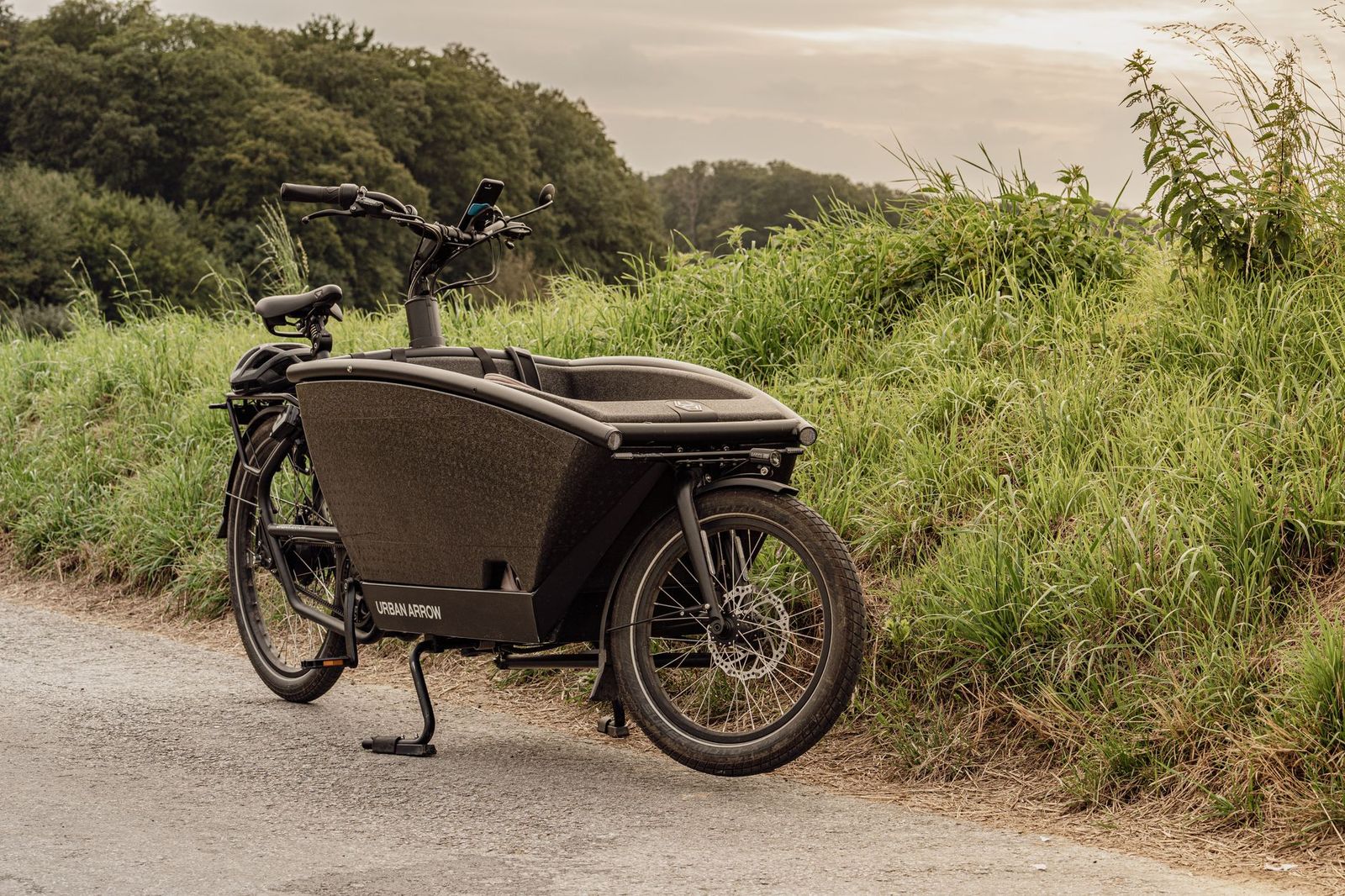
A regular e bike rack tops out at about 25 to 55 pounds, which is one bag of groceries or one small child and nothing else. When your daily load is two kids, a week of shopping, or delivery boxes, you need a frame that was built around the load from the start. The search for the best cargo electric bike begins with honest numbers: how much total weight the bike can carry, and how it behaves at walking speed with that weight on board.
This guide walks through frame styles, motors, batteries, and the fit checks that matter when a bike carries real cargo. The sections below line up the key specs side by side. If you do not need hauling capacity at all, the broader best electric bike guide is the better starting point.
Compare Products
Last update on 2026-11-16 / Affiliate links / Images, Product Titles, and Product Highlights from Amazon Product Advertising API
Parents Hauling One or Two Kids
Your load is precious and it wiggles. Look for a total payload rating of 300 pounds or more, a low step over frame so you can plant a foot fast, and a double leg center stand that keeps the bike upright while you buckle a child in. Rear decks on long tail frames accept child seats and cushion pads, and a low center of gravity matters more than top speed, because most school run riding happens below 15 mph.
Car Free Households and Grocery Haulers
If this bike replaces a second car, range and carrying volume decide everything. You want large pannier capacity, a front rack or basket option for overflow bags, and a battery big enough for a loaded round trip with charge to spare. A removable battery also matters, because charging inside an apartment is far easier than running a cord to a garage.
Delivery Riders and Small Business Owners
Miles pile up fast in commercial use, so durability and service support outweigh clever features. Prioritize strong wheels with heavy duty spokes, a motor system your local shop can service, and the option of a second battery to swap at midday. A front loader box bike suits bulky loads, while a long tail with rack bags suits mixed stops across a neighborhood.
Payload Capacity and Total System Weight
Payload means rider plus cargo plus accessories, and ratings on cargo models commonly run from about 300 to 450 pounds. Go past the rating and handling turns vague, brakes fade sooner, and frames and wheels wear out early. Add up your own weight, your heaviest regular load, and the child seats or boxes you plan to mount, then leave a margin of at least 30 pounds. Note that a rear rack limit is separate from total payload, so a rack rated at 100 pounds cannot hold a 120 pound load even on a 400 pound bike.
Frame Style: Long Tail, Mid Tail, or Front Loader
Long tail bikes stretch the rear of a normal looking frame and carry kids or bags behind you; they ride most like a regular bike and fit standard racks and stands. Mid tail versions shorten that deck for easier storage. Front loader bikes, often called box bikes, place a cargo box between you and the front wheel, which keeps heavy loads low and visible but makes the bike about 8 feet long and harder to store. Riders in tight apartments sometimes consider a best folding electric bike instead, though folding models give up most of the payload that makes a cargo bike useful.
Motor Type and Torque
Torque, measured in newton meters, is what gets a loaded bike moving from a stop and up a hill. Hub motors in the rear wheel are simple and affordable, and strong ones deliver about 60 to 85 Nm. Mid drive motors sit at the cranks, use the gears you shift through, and typically feel stronger on steep climbs with a full load, with outputs around 50 to 90 Nm. Whatever the type, check the lowest gear against your steepest regular hill: if you commute over serious grades with 150 pounds of cargo, favor the higher torque option.
Battery Capacity and Safe Charging
Capacity is measured in watt hours, and cargo bikes usually carry about 400 to 1,000 Wh, with dual battery setups doubling that. A heavy load, hills, and cold weather can cut real range by a third, so size the battery for your worst day, not your best one. Charge only with the charger the maker supplied, on a hard surface away from anything flammable, and never leave a damaged or swollen battery charging unattended. If a battery is dropped hard or shows swelling, stop using it and ask the manufacturer or a shop what to do next.
Brakes, Wheels, and Tires
Stopping 400 pounds of bike, rider, and cargo takes real brakes, so hydraulic disc brakes with large rotors are close to mandatory in this category. Many cargo bikes use smaller diameter wheels, often 20 or 24 inches at the back, because a smaller wheel is stronger and drops the load closer to the ground, which steadies the bike at low speed. Tires are wide for grip and comfort under load. For regular riding on sand, snow, or rough unpaved roads, the wider contact patch explained in our best fat tire electric bike guide is worth a look, though fat tires add weight and rolling resistance on pavement.
Before you fall for a frame style, do three quick checks. First, weigh your typical load: step on a bathroom scale holding the bags or gear you carry most, and subtract your own weight. Second, measure where the bike will live, because a front loader needs roughly 8 feet of clear length and will not fit many elevators or hallway turns. Third, think about how the bike travels when it is not being ridden, since most car racks cannot carry a long, heavy cargo bike safely.
Also confirm the class rules where you ride. Class 1 and class 2 e bikes assist up to 20 mph, with class 2 adding a throttle, while class 3 assists to 28 mph and is barred from some paths and trails. Access rules differ by city and state, so check your local regulations before choosing a class for a bike that will carry children.
Under about $1,500, expect a hub motor, one midsize battery, and basic parts; these bikes work for flat routes and moderate loads, and our best budget electric bike guide covers the wider entry level market. From about $1,500 to $3,000 you get stronger frames with higher payload ratings, hydraulic brakes, and larger batteries, which is where most families land. Above about $3,000, mid drive motors, dual battery options, and better components and warranty support become common, which suits daily car replacement use.
- Buying by battery size alone, then discovering the payload rating is too low for your kids plus groceries.
- Forgetting your own weight in the payload math, which overloads the frame and shortens brake and wheel life.
- Choosing a front loader without measuring your storage space, so the bike has nowhere to live.
- Carrying a heavy load high in tall panniers, which raises the center of gravity and makes low speed handling wobbly.
- Skipping a check of the kickstand, then finding the bike tips while you load a child seat.
- Charging with a cheap third party charger, which can damage the battery or worse.
Loaded bikes wear parts faster, so shorten your service intervals. Check tire pressure weekly, because a loaded tire run soft overheats and can roll off the rim in a turn. Inspect brake pads monthly in hilly areas, and watch spoke tension, since rear wheels carry most of the weight and loose spokes snowball into broken ones. Keep the chain clean and lubed, as drivetrain wear rises sharply under high torque starts.
Store the battery indoors at room temperature with a partial charge, roughly half, when the bike will sit for weeks. Keep cargo straps, child seat mounts, and rack bolts on your inspection list too, and tighten any that work loose. A bike that hauls your family deserves the same quick pre ride check you would give any bike: brakes squeeze firm, tires feel hard, and nothing rattles.
Are cargo electric bikes worth it?
For households that use one several times a week, usually yes. The honest comparison is against the cost of a second car or regular ride share trips: insurance, fuel, and parking add up far faster than electricity and brake pads. Riders who only haul cargo twice a year may do better with a standard e bike and a trailer, which stores flat and costs much less.
How much weight can a cargo electric bike carry?
Total payload ratings run from about 300 to 450 pounds, but the number that trips people up is the rear rack limit, which can be far lower than the total. A child seat plus a growing kid can reach 80 pounds on the deck alone. Always check both figures, and remember that accessories like locks and panniers count toward the total as well.
How far can a cargo electric bike go on one charge?
Manufacturers quote best case range, but a full load, hills, headwinds, and cold weather can cut it by about a third. A 500 Wh battery that claims 50 miles may deliver closer to 30 to 35 miles with two kids aboard. Dual battery models roughly double the distance. Pedaling in a lower assist mode on flat stretches is the simplest way to stretch range on a long day.
Do you need a license for a cargo electric bike?
In most US states, class 1 and class 2 e bikes are treated like regular bicycles and need no license or registration, while class 3 models face extra rules in some places, including age limits and path restrictions. Rules change and vary by city, especially for bikes carrying children, so check your state and local regulations before you buy.
How do you clean a cargo electric bike?
Remove the battery first and cover the contacts, then wash with a bucket, mild soap, and a soft brush. Never aim a pressure washer at the motor, battery mounts, or wheel bearings, because forced water pushes past seals. Dry the chain and relube it, wipe the brake rotors with a clean cloth, and let the battery contacts dry fully before refitting the pack.
The right cargo bike is the one whose payload, frame style, and range match the loads you actually carry, stored where you actually live. Shortlist models by those three numbers, then confirm stand stability and low speed handling in person if you can. Chosen well, the best cargo electric bike quietly replaces hundreds of short car trips a year.


Best Electric Bike Under 1500 Dollars in 2026: Buying Tips
Best Cannondale Electric Bikes of 2026: Which Type Should You Buy?

Best Budget Gravel Bike in 2026: Fit, Gearing and Value Guide

Best Comfort Hybrid Bikes (2026): Buying Guide

Best Touring Bikes: Frame, Load Capacity, and Gearing
Best Brompton Folding Bikes of 2026: Which Type Should You Buy?
Best Mountain Bike Chain Rings: A Buyer's Guide
Best Diamondback Hybrid Bikes of 2026: Which Type Should You Buy?










