
Best Diamondback Hybrid Bikes of 2026: Which Type Should You Buy?
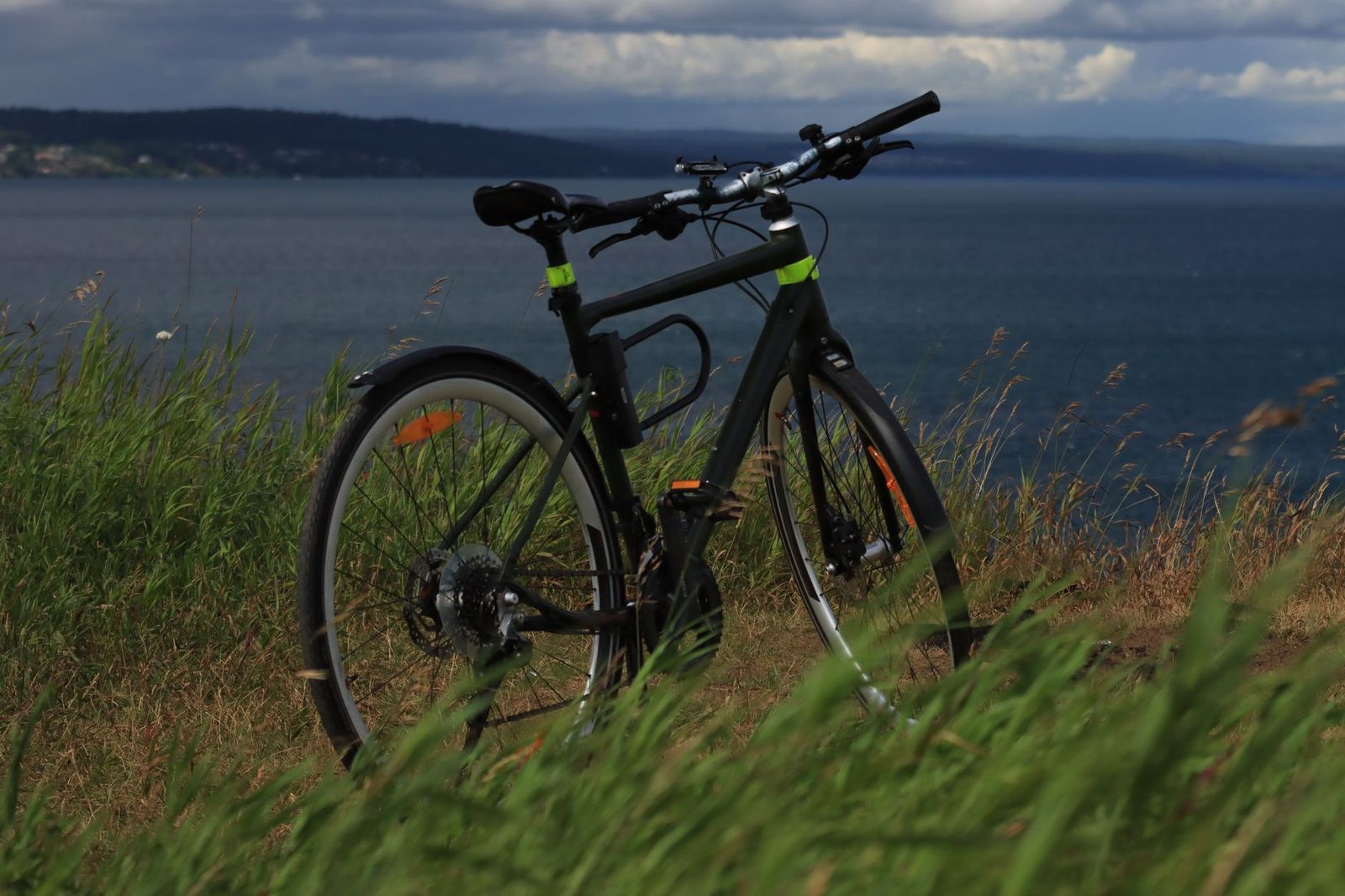
Diamondback has sold bikes in the US for decades, and today the name is most often met online, where its hybrids undercut shop brands by a wide margin. That makes the buying questions different: not just which type, but what arrives in the box and what you must check yourself. The best diamondback hybrid bike is the one that fits your riding and your willingness to do a little setup.
This guide explains the Diamondback hybrid types, the sizing and assembly realities of buying online and the parts worth your attention. For a full market comparison before you commit, see our guide to the best hybrid bike range across all brands.
Compare Products
Last update on 2026-11-14 / Affiliate links / Images, Product Titles, and Product Highlights from Amazon Product Advertising API
Budget shoppers who still want a real bike shop design
Diamondback hybrids use proper bike geometry and standard parts, unlike the disposable bikes sold beside them in some big stores. For riders with about $300 to $500 to spend, that difference decides whether the bike is still pleasant in year three. If your budget is the whole ballgame, compare these with the other brands in our guide to the best budget hybrid bike models.
Casual riders covering a few miles at a time
The comfort and dual sport types suit campground loops, school runs and gentle trail paths, where an upright position and easy gears matter more than speed. Riders who measure trips in errands rather than miles get full value here, and the simple parts keep ownership cheap. Many owners are exactly the returning riders described in our guide to the best hybrid bike for beginners.
Owners happy to do final assembly and checks
Most Diamondback bikes ship partly assembled to your door. Fitting the front wheel, bars, saddle and pedals takes under an hour with basic tools, and checking every bolt is part of the deal. If that sounds like a chore rather than a saving, a shop brand with assembly included may suit you better, even at a higher price.
What arrives in the box and what assembly involves
Expect the frame, rear wheel and drivetrain to arrive fitted, with the front wheel, handlebar, seatpost and pedals packed separately. You will need hex keys, a wrench for the pedals and a pump, and the pedals are threaded differently on each side, which catches out many first time builders. Budget an extra half hour to adjust the brakes and gears out of the box, because shipping knocks settings around even on well packed bikes.
Sizing when you cannot test ride
Buying blind makes the size chart your test ride. Measure your inseam barefoot against a wall, match it to the chart for the exact type you want, and favor the smaller size if you land between two, because a long frame cannot be shortened. Standover clearance you can check at home the day the bike arrives, while return windows are still open.
Drivetrain simplicity
Diamondback hybrids favor simple, wide range drivetrains, often a single front ring or a basic triple on comfort types. Fewer parts mean fewer adjustments for owners without a local shop, and replacement parts are standard and cheap. The trade off is bigger jumps between gears, which casual riders rarely notice but fitness riders feel on group rides.
Suspension forks on dual sport types
The dual sport types add a short travel fork for dirt paths and rough streets. At this price the fork is heavy and offers little adjustment, so its real job is taking the sting out of potholes rather than true off road control. Pure pavement riders should choose the rigid fork comfort and fitness types and save the weight.
Brakes and wheels at this price
Most types use mechanical disc brakes or rim brakes and sturdy double wall rims. Mechanical discs stop reliably in the wet and are easy to adjust with one barrel adjuster, which suits home mechanics. Check spoke tension by squeezing pairs of spokes after the first rides, because machine built wheels on value bikes often settle and loosen early.
The comfort type is the volume seller: upright bars, a padded saddle, easy gearing and a step over frame that favors short rides in normal shoes. The dual sport type keeps that position but adds the suspension fork and slightly knobbier tires for unpaved paths. The fitness leaning type, offered in some seasons, flattens the bar and narrows the tires for riders who want more pace.
Women specific Diamondback hybrids appear under the range in some years with shorter reach and smaller sizes; in other years the comfort types serve everyone. Riders comparing women fit across brands should review the best women's hybrid bike options to see what dedicated designs change.
About $300 to $450, the doorstep band, buys the comfort types with simple parts and rim or mechanical disc brakes. Assembly is on you, and a shop safety check at about $50 to $75 is money well spent if you are new to bikes. About $450 to $650, the equipped band, adds disc brakes across the range, better tires and the dual sport fork.
Above about $650 the value argument fades, because shop brands match the spec and include assembly, fitting help and a first tune. The honest way to shop this brand is to cap your budget where its discount is largest and put the savings toward a helmet, a lock and lights, which every rider needs regardless of badge.
- Riding the bike straight out of the box without a bolt check, since bars, stems and wheels fitted in a hurry can be dangerously loose.
- Threading the left pedal into the right crank or forcing a pedal cross threaded, an error that ruins the crank arm.
- Ordering by height alone without checking inseam against the chart, which leads to a frame you cannot stand over safely.
- Letting the return window lapse before a real test ride, because sizing and comfort problems only show up on the road.
- Storing the bike outside unprotected, as value priced steel parts and cables rust faster than the sealed parts on pricier bikes.
Start with a full bolt check after the first week of riding, when new parts settle into place, and repeat it monthly. Keep the chain oiled and the tires at the pressure on the sidewall; value tires lose air faster than premium ones. Before each ride, test both brakes and give the wheels a spin, and wear a helmet that meets the CPSC standard, replacing it after any crash.
Cable stretch is the main early ownership job: when shifting gets sloppy in the first month, a quarter turn of the barrel adjuster usually restores it. Learn that one adjustment and most shop visits disappear. Keep the bike indoors if you can, wipe it down after rain and have a shop true the wheels once a year, and a value hybrid will give years of faithful service.
Is Diamondback a good brand for a hybrid bike?
Diamondback is a legitimate long running brand, and its hybrids are honest value bikes built with standard, serviceable parts. They are not the lightest or the most refined, and you trade shop support for a lower price. For casual and budget riders that trade is usually worth it, provided the bike is assembled and checked carefully.
How hard is it to assemble a Diamondback hybrid bike at home?
Most owners finish in 30 to 60 minutes with hex keys and a pedal wrench. The steps are mounting the front wheel, straightening and tightening the handlebar, fitting the seatpost and pedals and checking the brakes. The two real traps are pedals, which thread in opposite directions on each side, and loose bolts, so work slowly and check everything twice.
What size Diamondback hybrid bike should I order?
Use your inseam, not just your height, and match it to the size chart for that exact type. If you fall between sizes, choose the smaller one for a comfort type, since the upright position forgives a slightly short frame. Whatever you order, test standover clearance the day it arrives so a swap stays inside the return window.
Are Diamondback hybrids good for riding to work?
The comfort and dual sport types handle short commutes well, and most have rack mounts for a bag. Add full lights for riding after dark, as traffic law requires a white front light and a red rear light or reflector at night in most states. For commutes over about five miles each way, the fitness leaning type or a step up in budget will feel better.
Where do I get a Diamondback hybrid serviced?
Any bike shop can service one, because the parts are standard sizes shared across the industry. Shops charge the same labor rates as for any brand, and wear items like pads, chains and tires are stocked everywhere. That serviceability is a genuine advantage over no name imports, whose odd parts can leave a bike stranded.
The best diamondback hybrid bike is a comfort or dual sport type sized by inseam, assembled with care and checked bolt by bolt before its first real ride. Weigh the types described above, keep your budget in the bands where the brand discount is strongest, and put the money you save toward the helmet, lock and lights that make the bike genuinely usable.


Best Electric Bike Under 3000 Dollars in 2026: A Value Buying Guide

Best Class 3 Electric Bikes (2026): Buying Guide

Best Aluminum Hybrid Bike (2026): Buying Guide

Best Electric Bike for Hills in 2026: A Climbing Buying Guide

Best Commuter Folding Bikes (2026): Buying Guide

Best Electric Bikes: Motor, Battery, and Class Explained

Best Gravel Bike Top Tube Bags for On-the-Fly Storage

Best Mountain Bike Crankset: 2026 Buying Guide










