
Best Bike Helmet with Visor in 2026: Buying Guide and What to Check
A visor looks like a small detail until you ride west into a low evening sun, follow a friend down a dusty trail, or commute through drizzle that spots your glasses every block. The right visor blocks glare and debris without blocking your view, and the wrong one flutters, fogs, or cuts your sight line when you drop your head. This guide explains how to choose the best bike helmet with visor for your riding position and your light conditions.
The choice comes down to visor style: a fixed peak, a removable visor, or a flip up shield that also covers your eyes. The comparison table below sets the three styles side by side, and the sections after it cover fit with glasses, tint choices, and the base helmet features that still matter most. For the wider helmet picture, our guide to the best bike helmet explains styles without visors as well.
Compare Products

- TBB Score9.0
TrekBikesBlog (TBB) score is a ranking system that rates products on a scale of 1 to 10. The TrekBikesBlog score has no relationship or impact from any manufacturers or sales agent websites – it's an unbiased way to rate our products. Learn more
- BrandN/A

- TBB Score9.4
TrekBikesBlog (TBB) score is a ranking system that rates products on a scale of 1 to 10. The TrekBikesBlog score has no relationship or impact from any manufacturers or sales agent websites – it's an unbiased way to rate our products. Learn more
- BrandVICTGOAL

- TBB Score9.2
TrekBikesBlog (TBB) score is a ranking system that rates products on a scale of 1 to 10. The TrekBikesBlog score has no relationship or impact from any manufacturers or sales agent websites – it's an unbiased way to rate our products. Learn more
- BrandZacro

Mountain Bike Helmet Adult Men Women - Ultra Comfort, Super
- TBB Score9.2
TrekBikesBlog (TBB) score is a ranking system that rates products on a scale of 1 to 10. The TrekBikesBlog score has no relationship or impact from any manufacturers or sales agent websites – it's an unbiased way to rate our products. Learn more
- BrandANYPASS

- TBB Score9.4
TrekBikesBlog (TBB) score is a ranking system that rates products on a scale of 1 to 10. The TrekBikesBlog score has no relationship or impact from any manufacturers or sales agent websites – it's an unbiased way to rate our products. Learn more
- BrandBosoar

- TBB Score9.0
TrekBikesBlog (TBB) score is a ranking system that rates products on a scale of 1 to 10. The TrekBikesBlog score has no relationship or impact from any manufacturers or sales agent websites – it's an unbiased way to rate our products. Learn more
- BrandRetrospec

- TBB Score9.0
TrekBikesBlog (TBB) score is a ranking system that rates products on a scale of 1 to 10. The TrekBikesBlog score has no relationship or impact from any manufacturers or sales agent websites – it's an unbiased way to rate our products. Learn more
- BrandSilkycasters

- TBB Score9.4
TrekBikesBlog (TBB) score is a ranking system that rates products on a scale of 1 to 10. The TrekBikesBlog score has no relationship or impact from any manufacturers or sales agent websites – it's an unbiased way to rate our products. Learn more
- BrandGROTTICO

- TBB Score9.2
TrekBikesBlog (TBB) score is a ranking system that rates products on a scale of 1 to 10. The TrekBikesBlog score has no relationship or impact from any manufacturers or sales agent websites – it's an unbiased way to rate our products. Learn more
- BrandOdoland
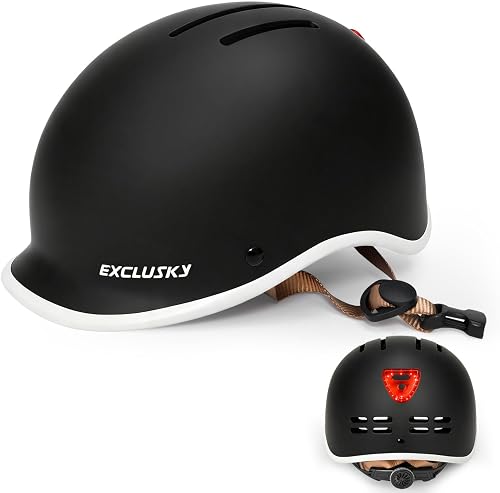
- TBB Score9.2
TrekBikesBlog (TBB) score is a ranking system that rates products on a scale of 1 to 10. The TrekBikesBlog score has no relationship or impact from any manufacturers or sales agent websites – it's an unbiased way to rate our products. Learn more
- BrandN/A
Last update on 2026-11-26 / Affiliate links / Images, Product Titles, and Product Highlights from Amazon Product Advertising API
Mountain bikers and gravel riders facing sun and debris
On trails, the visor earns its keep three ways: it shades your eyes when you exit tree cover into bright light, it deflects branches and roost from the rider ahead, and it keeps rain dripping off the front instead of onto your lenses. Choose a longer, sturdy visor mounted at several points, ideally one that adjusts up and down so you can park goggles under it on climbs. This style overlaps heavily with the best mountain bike helmet category, where long visors are standard equipment.
Commuters riding into morning and evening sun
If your commute runs east in the morning and west at night, glare is a safety issue, not a comfort detail. A short fixed visor or a flip up tinted shield cuts the worst of it while keeping a low profile for the train and the office. Shields have an edge here because they cover the eyes fully and block wind as well as light, which helps contact lens wearers on cold mornings.
Road riders who want occasional shade without ruining their position
In an aggressive road position your eyes look up through the top of your visual field, and a long visor cuts straight across it. If you ride mostly upright on a road or fitness bike, a short removable visor works and can come off for group rides. Riders who spend real time in the drops should compare visor free designs in our guide to the best road bike helmet and rely on sunglasses and a cycling cap brim instead.
Visor style: fixed peak, removable visor, or flip up shield
Fixed peaks are molded or pinned in place and common on trail helmets; they are sturdy and simple but cannot adapt when light changes. Removable visors snap on and off, giving you one helmet for shaded trails and open road. Flip up shields pivot over the eyes like a short face shield, offering the most coverage and wind protection, and they can be raised in tunnels or at dusk. Each pivot and snap is also a future spare part, so confirm the maker sells replacements before choosing a complex design.
Visor length, adjustability, and your sight line
Length decides whether the visor shades your eyes or slices your view. With the helmet on and your head in riding position, the visor edge should sit above your line of sight when you look ahead, not across it. Adjustable visors with two or three tilt positions handle both upright cruising and lower sport positions. On the trail, a visor that tips up makes room for goggles on climbs and drops back down for descents, a small feature experienced riders use constantly.
Shield tint, clarity, and night use
Tinted shields cut glare, but a dark shield after sunset is a genuine hazard, so plan how you will handle night riding: swap to a clear shield, flip the shield up and use clear glasses, or choose a photochromic shield that lightens as light fades. Check that any tinted shield still passes enough light for shaded forest trails, where deep tint makes roots and wet rocks vanish. Optical clarity matters too: cheap shields distort at the edges, which tires your eyes on long rides.
Fit with sunglasses and prescription glasses
A visor and glasses must share a small space without fighting. Temple arms should slide under the helmet retention system without being pressed into your head, and the visor should clear the top of your frames when you tilt it. Riders who wear prescription glasses gain the most from a shield style helmet, since the shield can carry the sun protection while your glasses handle vision. Fit details like these, including smaller shell sizing, are also covered in our guide to the best women's bike helmet.
The helmet under the visor: certification, coverage, and rotation systems
The visor never compensates for a weak base helmet. Confirm the CPSC sticker, look for coverage that extends low at the back of the skull, and prefer a rotational impact system such as MIPS or an equivalent low friction layer. Trail models typically offer the deepest coverage of any visor helmets. Ventilation still counts, because a visor traps a little air at the forehead; generous front vents that scoop air under the visor keep that from becoming a sweat band problem in summer.
Put the helmet on, snug the dial, and get into your real riding posture, leaning forward if you ride a drop bar bike. Look ahead and slightly up, the way you scan traffic: the visor should shade without crossing your view of the road forty feet ahead. Then look down at your front wheel position and up again; a well placed visor never forces a head tilt to see around it.
Next, test the moving parts. Flip the shield or tilt the visor through its full range with one gloved hand, because you will adjust it while rolling. Check that a removable visor snaps off and on without tools and that the mounts feel solid rather than brittle. Finally, wear your own glasses under it for a full minute; pressure points that are mild in the shop become headaches at mile ten.
Basic visor helmets start around $45 to $70, usually with a fixed peak and simple fit systems. The $70 to $130 range adds adjustable or removable visors, rotational protection, and better venting. Shield style commuter helmets and premium trail models run about $130 to $220, where you pay for optical quality in the shield, spare shield availability, and lighter shells. Whatever the price, budget for a replacement shield or visor eventually; scratched plastic in your sight line is its own safety problem.
- Choosing a long trail visor for drop bar riding: the visor edge crosses your sight line in the drops and forces an aching neck angle.
- Riding at night with a dark shield down: tinted plastic that feels fine at noon can hide potholes and pedestrians completely after dark.
- Assuming a visor replaces sunglasses: most visors carry no UV rating for your eyes, and side light still reaches you around the edges.
- Ignoring spare part availability: a snapped visor mount with no replacement turns a good helmet into landfill long before the foam ages out.
- Skipping the glasses test: temple arms pressed by the retention system cause headaches that riders wrongly blame on helmet size.
- Buying the visor but not the fit: a loose helmet rotates in a fall, moving the visor and the protection away from where you need them.
Clean the visor or shield with water and a drop of mild soap, using a soft microfiber cloth, and never wipe a dry shield, because grit dragged across plastic leaves the fine scratches that scatter light at night. Paper towels and household glass cleaners are both too harsh for coated shields. Store the helmet out of sunlight, since UV slowly embrittles visor plastic as well as the shell.
Wash the helmet itself with mild soap and water and let it air dry indoors. Inspect visor mounts and shield pivots each season for cracks or looseness, and replace the shield when scratches sit in your normal sight line. As with any helmet, replace the whole thing after a crash or at about five years of age, and cut the straps before throwing the old one away. Check fit, straps, and the visor pivot before every ride as part of your normal pre ride routine.
Can you remove the visor from a bike helmet and ride without it?
On models designed with a removable visor, yes: the snaps release and small plugs or the mount points themselves cover the holes. Helmets with molded fixed peaks cannot be converted, and forcing a fixed visor off can crack the shell edge. If flexibility matters when you choose the best bike helmet with visor, pick the removable style from the start, and keep the visor somewhere safe, because a visor rolling loose in a gear bag collects the scratches you bought it to avoid.
Does a helmet visor provide UV protection for your eyes?
Usually not in any certified sense. A standard tinted visor or shield shades glare, but unless the maker states a UV400 rating for the shield, treat your eyes as unprotected and wear sunglasses with real UV filtering underneath. The exception is some premium shield helmets that do rate their shields; check the spec sheet for the actual claim rather than assuming the dark tint does the job.
Will a helmet visor block your view on a road bike?
It depends on your position. Upright on a hybrid or fitness bike, a short visor sits above your sight line and simply shades. Down in drop bar drops, your eyes angle upward and even a short visor can cross the view ahead, which is why most pure road helmets skip visors entirely. If you split your riding, a removable visor gives you both options on one helmet.
How do you clean a removable helmet shield without scratching it?
Rinse the shield under running water first to float off grit, then wash gently with a microfiber cloth and a drop of mild soap, rinse again, and pat dry with a second clean cloth. Never use paper towels, jersey fabric with road grit in it, or ammonia based cleaners, which cloud some coatings. Store the spare shield in the soft bag it came with, not loose in a drawer with keys and tools.
Is a flip up shield better than a separate visor and sunglasses?
For commuters, often yes: the shield goes up and down in a second, covers more of the face, blocks wind, and cannot be forgotten at home. Sunglasses win for sport riding because they wrap closer, vent better at high effort, and are cheaper to replace when scratched. Many riders end up with the shield for weekday commuting and glasses for weekend rides, which is a sensible split rather than a compromise.
Start with how you ride: upright commuters and trail riders gain real protection and comfort from a visor, while low position road riders usually do better without one. Use the product table above to compare visor styles, then test sight lines and glasses fit in person before spending. Keep the shield clean, confirm the pivot works with gloves, and replace the helmet after any crash. Matched to your position and your light, the best bike helmet with visor quietly removes glare, grit, and drizzle from every ride.


Best Budget Bike Helmets in 2026: Safe Fit Without Overspending

Best Bike Helmet for Large Heads (2026): A Buying Guide

Best Bike Helmet for Triathlon (2026): A Buying Guide

Best Bell Bike Helmets of 2026: Which Type Should You Buy?
Best Commuter Bike Helmets in 2026: Fit, Safety and Buying Guide

Best Affordable Mountain Bike Helmets (2026): Which One Fits the Way You Ride?

Best Bike Helmet Under 100 (2026): Buying Guide

Best Bike Helmet for Road Cycling (2026): Buying Guide









