
Best Bike Helmet for Triathlon (2026): A Buying Guide
A triathlon helmet has two jobs that pull against each other. It must slice through the air on the bike leg, then stay cool and easy to handle when you are fumbling with it in transition, heart rate high and hands wet. The best bike helmet for triathlon balances aero shaping against ventilation, keeps its buckle simple enough to close in seconds, and fits well enough that you never think about it across hours of racing. The comparison table below lines up the main helmet styles used in triathlon so you can match one to your race distance.
This guide works through the trade offs by race distance and climate, then covers the transition skills that save more time than any shell shape. For the wider category, our guide to the best bike helmet covers every style, and the sections below focus on what racing actually demands.
Compare Products

- TBB Score9.2
TrekBikesBlog (TBB) score is a ranking system that rates products on a scale of 1 to 10. The TrekBikesBlog score has no relationship or impact from any manufacturers or sales agent websites – it's an unbiased way to rate our products. Learn more
- BrandKask

- TBB Score9.2
TrekBikesBlog (TBB) score is a ranking system that rates products on a scale of 1 to 10. The TrekBikesBlog score has no relationship or impact from any manufacturers or sales agent websites – it's an unbiased way to rate our products. Learn more
- BrandMET

- TBB Score9.2
TrekBikesBlog (TBB) score is a ranking system that rates products on a scale of 1 to 10. The TrekBikesBlog score has no relationship or impact from any manufacturers or sales agent websites – it's an unbiased way to rate our products. Learn more
- BrandGiro

SMITH Jetstream TT Cycling Helmet – Matte Black, Large |
- TBB Score9.4
TrekBikesBlog (TBB) score is a ranking system that rates products on a scale of 1 to 10. The TrekBikesBlog score has no relationship or impact from any manufacturers or sales agent websites – it's an unbiased way to rate our products. Learn more
- BrandN/A

- TBB Score9.4
TrekBikesBlog (TBB) score is a ranking system that rates products on a scale of 1 to 10. The TrekBikesBlog score has no relationship or impact from any manufacturers or sales agent websites – it's an unbiased way to rate our products. Learn more
- BrandSQUALO

- TBB Score-
TrekBikesBlog (TBB) score is a ranking system that rates products on a scale of 1 to 10. The TrekBikesBlog score has no relationship or impact from any manufacturers or sales agent websites – it's an unbiased way to rate our products. Learn more
- BrandLAZER

- TBB Score8.6
TrekBikesBlog (TBB) score is a ranking system that rates products on a scale of 1 to 10. The TrekBikesBlog score has no relationship or impact from any manufacturers or sales agent websites – it's an unbiased way to rate our products. Learn more
- BrandKask

- TBB Score9.2
TrekBikesBlog (TBB) score is a ranking system that rates products on a scale of 1 to 10. The TrekBikesBlog score has no relationship or impact from any manufacturers or sales agent websites – it's an unbiased way to rate our products. Learn more
- BrandABUS
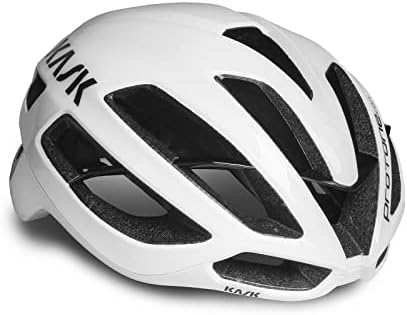
- TBB Score9.2
TrekBikesBlog (TBB) score is a ranking system that rates products on a scale of 1 to 10. The TrekBikesBlog score has no relationship or impact from any manufacturers or sales agent websites – it's an unbiased way to rate our products. Learn more
- BrandKask
Last update on 2026-11-22 / Affiliate links / Images, Product Titles, and Product Highlights from Amazon Product Advertising API
First Time Racers at Sprint and Olympic Distance
Short course racing rewards simplicity. A well vented road style helmet with a standard buckle is easy to grab, easy to fit in practice, and cool enough for races that rarely pass two hours on the bike. Your biggest time savings at this level come from a smooth transition and a comfortable fit, not from an aero shell, so spend on fit and practice rather than on the longest tail in the store.
Long Course Racers Chasing Every Minute
At half and full distance, aero shaping earns its place because you hold speed for hours and small drag savings accumulate. Look for a helmet with a shorter, versatile tail that stays efficient when you move your head, strong retention so it never shifts, and enough venting for the run up heat of a long day. Our guide to the best road bike helmet explains aero categories in more depth for riders comparing road and race shells.
Racers in Hot and Humid Climates
If your races bake, ventilation outranks aero. Deep channels and larger ports keep air moving at the lower speeds of hilly courses, and a lighter colored shell reflects some heat while you are out on exposed roads. Overheating costs far more time than drag saves, and a helmet you can flood with water at aid stations, with vents that pour well and pads that dry fast, is a genuine race tool in the heat.
Aero Shaping and Tail Length
Long tails smooth airflow when your head stays still in a tucked position, but they lose their advantage and can add drag when you look down, check a shoulder, or climb out of the saddle. Short and mid length tails forgive head movement, which is how most age group riders actually ride. Choose the shape that matches your discipline on the bike: the steadier your position, the longer the tail you can use. If you train in a standard road helmet and race in an aero one, practice in the race helmet so the fit and view feel familiar.
Ventilation for Heat You Generate Yourself
Triathletes leave the water overheated and ride hard from the first minute, so a race helmet must move air at climbing speeds, not only at full pace. Look for vents that channel air over the whole head rather than small ports that cool only the front. Internal padding should be thin and quick to dry, because soggy pads drip into your eyes for the rest of the ride. In hot races, the ability to pour water through the vents at aid stations is a feature worth ranking beside aero claims.
Buckle and Straps Built for Fast Transitions
Transition is no place for a fiddly closure. A standard side buckle you can close by feel, with straps already adjusted and lying flat, beats exotic magnetic systems you have only used twice. Set your strap length at home so race day needs one click, and check that the side straps sit below your ears without twists. Some helmets trim strap material and use fixed splitters to save seconds and stop flapping, small details that add calm when the clock is running.
Sunglasses Fit and On Helmet Storage
Your helmet and eyewear work as one system. Arms should slide in without pushing the helmet up, and the fit dial at the back should not clash with the arms when you look down the road. Many race helmets add vent ports shaped to dock sunglasses when you take them off in low light or on climbs, which keeps them safer than a jersey pocket mid race. If you prefer a visor, confirm it flips or removes easily and never distorts your view at the edges.
Weight Over Long Bike Legs
A heavy helmet tires your neck across a five or six hour ride, especially in an aero position where your head stays raised against gravity. Lighter shells reduce that strain, but the fit system and pads decide comfort as much as the scale does. Judge weight in position on your own bike, head up and eyes forward, for a few minutes. A helmet that feels fine standing in a shop can nag badly by hour three if the pressure lands in one spot.
Certification and Race Legality
Every helmet raced in the US must meet the CPSC standard, and officials can refuse a helmet that is damaged, modified, or missing its certification sticker. Rules at most events require the helmet to be buckled before you take your bike from the rack and to stay buckled until the bike is racked again. Check the rulebook of your specific race series, because details vary, and never race a helmet that has taken a crash impact, even if the shell looks clean.
Rehearse the exact sequence: helmet on and buckled before you touch the bike, every time, in training as well as racing. Lay the helmet upside down on your bars or towel with straps open and sunglasses inside, so one motion puts everything in place. Practice mounting with the helmet already fastened, since running with a loose helmet bouncing in your hand wastes the seconds the aero shell was bought to save.
Fit for race day should be set days ahead, not in transition. The helmet sits low and level, the dial snug enough to stop rocking, and the chin strap firm with two fingers of room. Riders who want women specific shells with pony tail friendly fit systems will find them in our guide to the best women's bike helmet. If your training includes trail riding for variety, keep that helmet separate; our guide to the best mountain bike helmet covers the deeper coverage those rides want, and racing shells are not built for branch strikes.
- Buying the longest tail available, then losing its benefit every time you look down at your computer or reach for a bottle.
- Using a brand new helmet on race day without a single training ride to confirm the fit and strap setup.
- Leaving strap adjustment for transition morning, when wet hands and a running clock turn a ten second job into a fumble.
- Choosing aero over ventilation for a hot race, then slowing from overheating long before drag ever mattered.
- Racing a helmet that has already absorbed a crash, because hidden foam damage can fail you when it counts.
Rinse the pads and straps after races, since dried salt and sunscreen stiffen straps and rot padding faster than anything else. Let the shell air dry out of direct sun, and store it in its bag rather than loose in a transition bin where buckles and bottles crush it. Transport it on your head or packed in the middle of soft kit, never under heavy gear. Inspect the shell, liner, and buckle each season, and plan on replacement after roughly three to five years, sooner after any impact.
Can I race a triathlon in a regular road helmet?
Yes. A certified road helmet that fits well is legal at the vast majority of triathlons and is the smart choice for your first seasons. You give up some aero refinement compared with a dedicated race shell, but you gain ventilation, simplicity, and one less purchase. Upgrade when your bike split, not your nerves, becomes the limit.
What is the difference between a triathlon helmet and a time trial helmet?
A pure time trial helmet commits fully to aero: long tail, few or no vents, and often an integrated visor, designed for short, controlled efforts. A triathlon helmet softens that formula with more venting, a shorter and more forgiving tail, and easier handling, because triathletes race longer, climb more, and must manage the helmet quickly in transition.
Is a visor or sunglasses better for triathlon racing?
Both work, and the choice is personal. A visor gives a wide, clean view and nothing to drop, but it cannot come off easily when light fades or rain starts. Sunglasses are flexible and familiar, yet they add a step in transition and can fog at low speed. Many racers pick sunglasses for hilly courses and a visor for flat, fast ones.
Will officials check my helmet before a triathlon?
At many races, yes. Officials commonly look for the certification sticker and visible damage when you check your bike in, and they can bar a cracked or modified helmet. Arrive with a clean, undamaged helmet and its sticker intact, and keep a spare certified helmet in mind for travel races in case yours is damaged in transit.
How tight should a triathlon helmet be in transition?
Snug, set in advance, and identical every time. The helmet should not rock when you shake your head, the straps should lie flat below your ears, and the buckle should close with one practiced click. If you are still adjusting the dial after the swim, the setup is not finished, so fix it during training week rather than on race morning.
Match the shell to your distance and your climate, then drill the transition until the buckle closes by feel. Use the product table above to compare styles, confirm the fit on your own bike in your riding position, and keep a certified helmet in honest condition. Sorted that way, the best bike helmet for triathlon gives you free speed on the bike leg and calm seconds in transition, which is where races are quietly won.


Best Bell Bike Helmets of 2026: Which Type Should You Buy?

Best Commuter Bike Helmets in 2026: Fit, Safety and Buying Guide

Best Affordable Mountain Bike Helmets (2026): Which One Fits the Way You Ride?

Best Bike Helmet Under 100 (2026): Buying Guide

Best Bike Helmet for Road Cycling (2026): Buying Guide

Best Helmet with Lights at Every Price: What Your Money Really Gets You

Best Bike Helmet Cameras: What to Look for Before You Buy

Best Ventilated Bike Helmet: A First Time Buyer's Guide for 2026










