Best Gravel Bike Helmet: The Complete Buying Guide
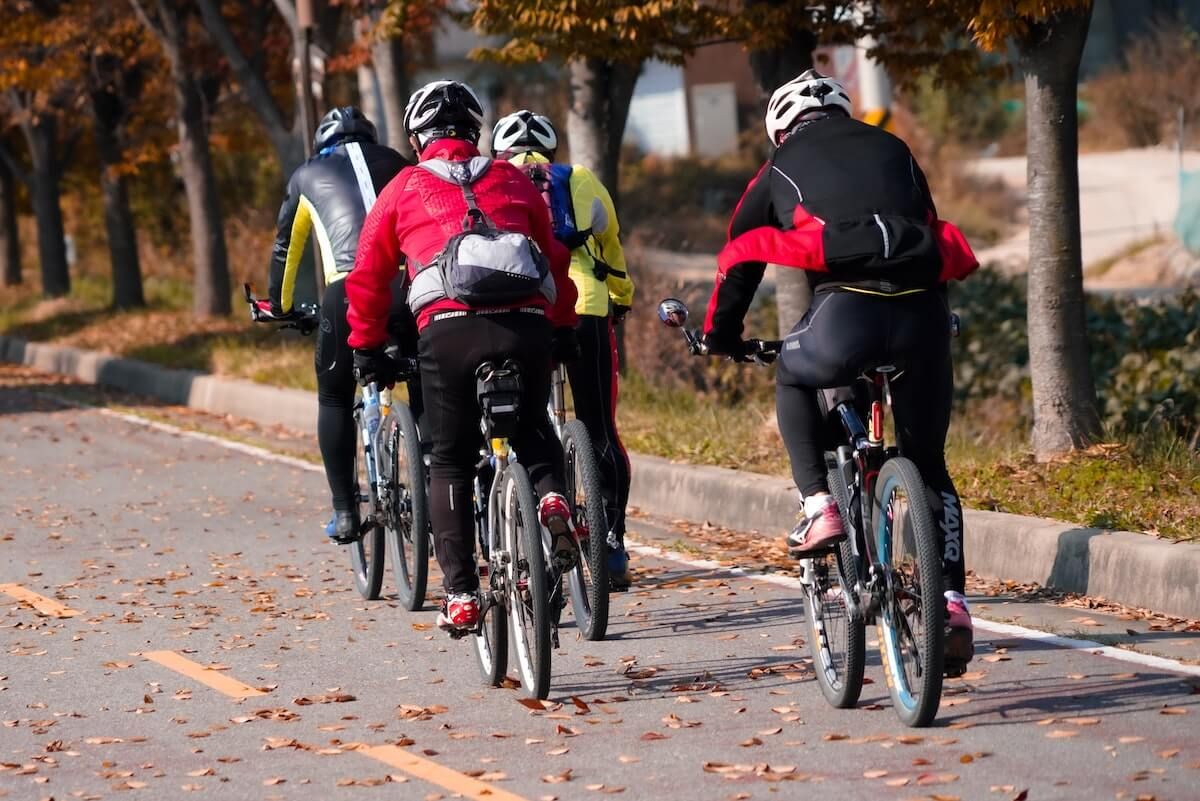
Gravel riding sits in an odd middle ground: longer and slower than a typical road ride, but rougher and dustier too, with climbs that have you working hard in direct sun for hours at a time. A road helmet built for pure aerodynamics often skimps on ventilation, and a mountain bike helmet built for technical trail protection tends to be heavier and warmer than gravel really demands. That gap is exactly why the best gravel bike helmet options exist as their own category now, built specifically around long hours in the saddle rather than short, intense efforts or technical descents. This guide covers what actually makes a helmet suited to gravel, rather than just a road helmet with a new name on the box.
Compare Products

- TBB Score8.6
TrekBikesBlog (TBB) score is a ranking system that rates products on a scale of 1 to 10. The TrekBikesBlog score has no relationship or impact from any manufacturers or sales agent websites – it's an unbiased way to rate our products. Learn more
- BrandN/A

- TBB Score9.6
TrekBikesBlog (TBB) score is a ranking system that rates products on a scale of 1 to 10. The TrekBikesBlog score has no relationship or impact from any manufacturers or sales agent websites – it's an unbiased way to rate our products. Learn more
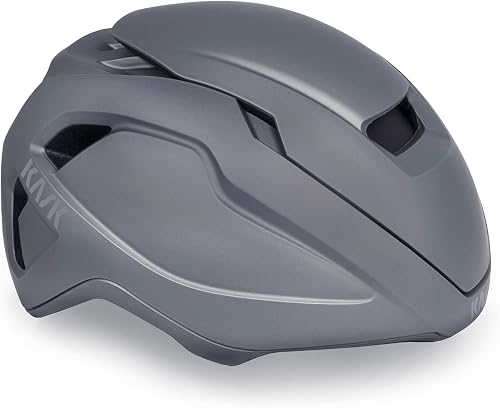
- BrandKask
- TBB Score8.4
TrekBikesBlog (TBB) score is a ranking system that rates products on a scale of 1 to 10. The TrekBikesBlog score has no relationship or impact from any manufacturers or sales agent websites – it's an unbiased way to rate our products. Learn more
- BrandN/A

- TBB Score9.4
TrekBikesBlog (TBB) score is a ranking system that rates products on a scale of 1 to 10. The TrekBikesBlog score has no relationship or impact from any manufacturers or sales agent websites – it's an unbiased way to rate our products. Learn more
- BrandN/A
- TBB Score-
TrekBikesBlog (TBB) score is a ranking system that rates products on a scale of 1 to 10. The TrekBikesBlog score has no relationship or impact from any manufacturers or sales agent websites – it's an unbiased way to rate our products. Learn more
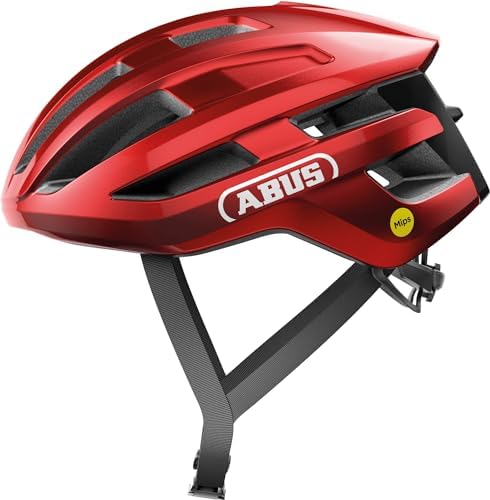
- BrandABUS

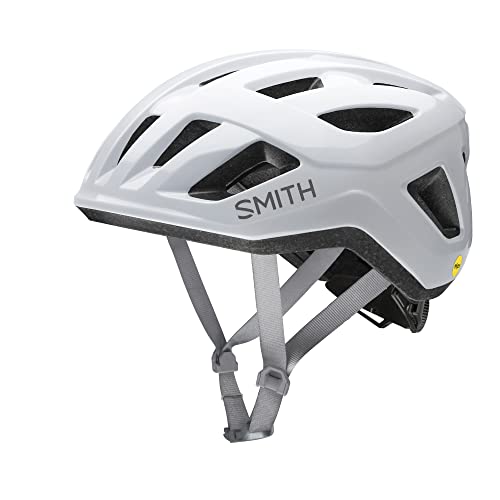
SMITH Signal Cycling Helmet – Adult Road Bike Helmet with
- TBB Score9.2
TrekBikesBlog (TBB) score is a ranking system that rates products on a scale of 1 to 10. The TrekBikesBlog score has no relationship or impact from any manufacturers or sales agent websites – it's an unbiased way to rate our products. Learn more
- BrandSMITH

- TBB Score10.0
TrekBikesBlog (TBB) score is a ranking system that rates products on a scale of 1 to 10. The TrekBikesBlog score has no relationship or impact from any manufacturers or sales agent websites – it's an unbiased way to rate our products. Learn more
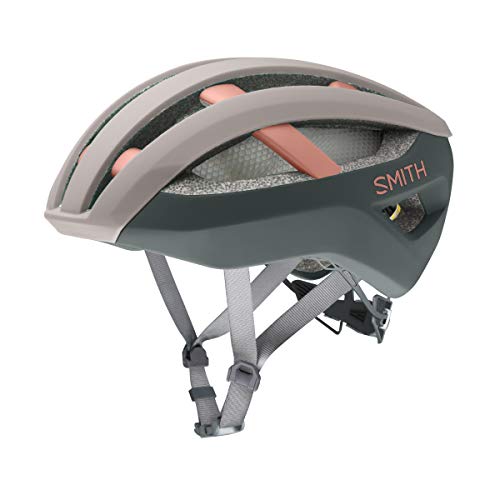
- BrandSMITH

- TBB Score9.2
TrekBikesBlog (TBB) score is a ranking system that rates products on a scale of 1 to 10. The TrekBikesBlog score has no relationship or impact from any manufacturers or sales agent websites – it's an unbiased way to rate our products. Learn more
- BrandMET
- TBB Score9.2
TrekBikesBlog (TBB) score is a ranking system that rates products on a scale of 1 to 10. The TrekBikesBlog score has no relationship or impact from any manufacturers or sales agent websites – it's an unbiased way to rate our products. Learn more
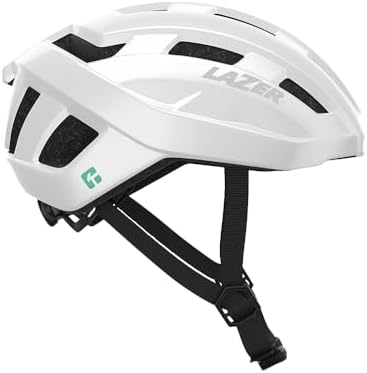
- BrandLAZER
Last update on 2026-10-07 / Affiliate links / Images, Product Titles, and Product Highlights from Amazon Product Advertising API
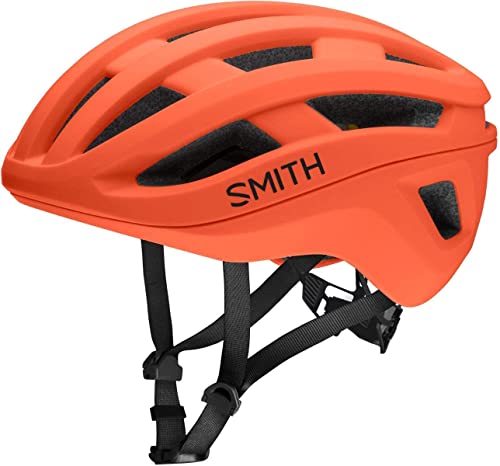
A gravel helmet borrows its lightweight shell and airflow-focused vent layout from road helmets, then adds design touches pulled from mountain biking: slightly deeper rear coverage, sturdier straps, and mounts for accessories that make sense on longer, more remote rides. The goal isn't maximum aerodynamics, since gravel riding rarely happens at the speeds where that matters much, and it isn't maximum crash protection either, since most gravel routes don't involve technical drops or rock gardens.
Instead, the design priority is comfort across long stretches of time in variable conditions, dusty gravel roads, exposed climbs, and rides that often run three, four, or more hours without a break. A helmet that feels fine for a ninety-minute road ride can become genuinely uncomfortable on a five-hour gravel century, which is the real reason this category exists.
Vent count matters less than vent placement and internal channeling. A helmet with fewer, larger vents positioned to pull air across the scalp and out the back often performs better in real riding than one with more numerous small vents that look impressive on a spec sheet but don't actually move much air. Internal channels, the grooves molded into the foam under the shell, are what turn passing air into real cooling, so a helmet that feels breezy standing still can still run hot once you're generating real airflow at riding speed.
Weight in the 250 to 300 gram range is typical for a well-ventilated gravel helmet, light enough that you stop noticing it after the first twenty minutes. Anything noticeably heavier is worth trying on before committing to a long ride in it, since neck fatigue creeps up gradually over hours rather than showing up immediately in a store.
Most gravel helmets extend coverage slightly lower at the back of the head and temples compared to a race-focused road helmet, reflecting the reality that gravel crashes, low-speed slides on loose surfaces, tend to involve different impact points than a high-speed road crash. This isn't full mountain bike coverage, and it isn't meant to be; gravel helmets stop well short of the extended rear and temple protection you'd find on a trail or enduro helmet, since gravel riding doesn't typically involve the same speeds or terrain risk.
Look for MIPS or an equivalent rotational impact system as a genuine upgrade rather than a marketing checkbox, since loose gravel surfaces make glancing, rotational impacts more common than the straight-on hits some older certification tests were designed around.
A dial-adjust retention system at the back of the head matters more for gravel than for shorter road rides, since you'll likely be reaching back to loosen or tighten it mid-ride as temperature and effort level change over a long day out. Look for a system with a wide adjustment range and a low profile that doesn't create a pressure point against the back of your skull after hours of contact.
Padding thickness and placement affect comfort more than most riders expect. Thin, minimal padding saves weight but transmits more vibration on rough gravel roads, while slightly thicker padding at the forehead and temples absorbs some of that buzz over a long, bumpy ride without adding much weight overall.
A built-in insect mesh over the front vents keeps bugs out on rides through fields and farmland, a small feature that matters more than it sounds until you've had one fly into a vent at speed. An integrated sunglasses garage, a set of small grooves near the front vents designed to hold your glasses when you're not wearing them, is genuinely useful for gravel riding, where you're more likely to stop and start, take glasses on and off for a climb, or ride into low sun at odd angles.
A small visor helps with sun glare and light rain on exposed gravel roads without adding meaningful weight, though some riders find it interferes with sunglasses positioning and prefer to skip it. Mounting points for a rear light or a small camera are worth having if you ride early mornings or in areas with vehicle traffic on shared gravel roads.
Can I just use a road helmet for gravel riding?
You can, especially for shorter rides, but a road helmet's aerodynamic focus often means less airflow than you'll want on long, hot gravel climbs. If gravel is a regular part of your riding, a purpose-built gravel helmet is a worthwhile upgrade.
Is a gravel bike helmet heavier than a road helmet?
Not necessarily. Many gravel helmets weigh close to their road counterparts, with the extra coverage and features adding only modest weight thanks to lighter foam and shell construction used across most modern helmets.
Do gravel helmets come with MIPS?
Most mid-range and higher gravel helmets now include MIPS or a similar rotational protection system as standard, reflecting how common glancing, rotational impacts are on loose gravel surfaces.
How is a gravel helmet different from a mountain bike helmet?
Gravel helmets prioritize ventilation and low weight for long endurance rides, while mountain bike helmets, especially trail and enduro models, prioritize extended coverage and protection for technical, higher-consequence terrain.
Do I need a visor on a gravel helmet?
It's a personal preference. A visor helps with sun and light rain but can interact awkwardly with sunglasses for some riders. Many gravel helmets now offer a removable visor so you can choose either way.
How often should I replace a gravel helmet?
Replace it after any crash involving a head impact, even a minor one, and otherwise every three to five years as UV exposure and heat gradually degrade the protective foam.
If you're logging long days on mixed terrain, comfort over hours matters more than any single spec on the box. The best gravel bike helmet for you is the one you forget you're wearing by hour three, with enough ventilation, the right fit system, and just enough coverage for the kind of riding gravel actually involves. Curious what draws so many riders to gravel in the first place? Our piece on why gravel riding has taken off covers the appeal beyond just the helmet.


Best Black Friday Electric Bikes: What to Buy and How to Spot a Real Deal

Best Black Friday Bike Trainers: What to Buy and How to Spot a Real Deal

Best Kids Bike Helmets: Specs, Picks & Buying Guide

Best Cycling Gifts Under $50: A Gift Guide That Actually Helps

Best Cycling Gifts for Women: Ideas for Every Budget

Best Balance Bikes for Toddlers: Specs, Picks & Buying Guide

Best Black Friday Bikes: What to Buy and How to Spot a Real Deal
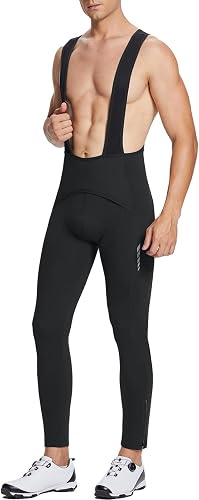
Best Thermal Cycling Bib Tights: Specs, Picks & Buying Guide