Best Bike Computer for Beginners (2026): Buying Guide
A phone on the bars can track a ride, but it drains fast, hates rain, and is expensive to drop. A dedicated computer does the basics better: it shows speed, distance, and time at a glance, runs for days between charges, and survives weather. The best bike computer for beginners is the one you can set up in ten minutes and understand at a glance in traffic. The comparison table below groups the main types, from simple sensor based units to starter GPS models, so you can see what each price step adds.
This guide explains the two families of computers, which features a new rider will actually use, and which premium features can safely wait. If you later want the full landscape, our guide to the best bike computer range covers every level of rider.
Compare Products
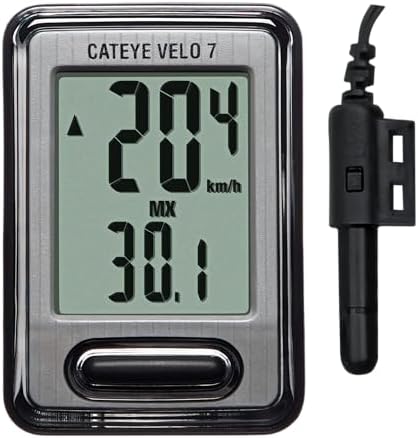
- TBB Score8.8
TrekBikesBlog (TBB) score is a ranking system that rates products on a scale of 1 to 10. The TrekBikesBlog score has no relationship or impact from any manufacturers or sales agent websites – it's an unbiased way to rate our products. Learn more
- BrandCATEYE

CYCPLUS Wireless GPS Bike Computer G1, 70g, 2.0" Screen, IPX6,
- TBB Score8.4
TrekBikesBlog (TBB) score is a ranking system that rates products on a scale of 1 to 10. The TrekBikesBlog score has no relationship or impact from any manufacturers or sales agent websites – it's an unbiased way to rate our products. Learn more
- BrandCYCPLUS

- TBB Score8.6
TrekBikesBlog (TBB) score is a ranking system that rates products on a scale of 1 to 10. The TrekBikesBlog score has no relationship or impact from any manufacturers or sales agent websites – it's an unbiased way to rate our products. Learn more
- BrandN/A

COOSPO Bike Computer GPS Wireless, ANT+ Cycling Computer with Bluetooth,
- TBB Score8.6
TrekBikesBlog (TBB) score is a ranking system that rates products on a scale of 1 to 10. The TrekBikesBlog score has no relationship or impact from any manufacturers or sales agent websites – it's an unbiased way to rate our products. Learn more
- BrandCooSpo

- TBB Score8.6
TrekBikesBlog (TBB) score is a ranking system that rates products on a scale of 1 to 10. The TrekBikesBlog score has no relationship or impact from any manufacturers or sales agent websites – it's an unbiased way to rate our products. Learn more
- BrandBikevee

- TBB Score8.8
TrekBikesBlog (TBB) score is a ranking system that rates products on a scale of 1 to 10. The TrekBikesBlog score has no relationship or impact from any manufacturers or sales agent websites – it's an unbiased way to rate our products. Learn more
- BrandBKVTOP

- TBB Score8.6
TrekBikesBlog (TBB) score is a ranking system that rates products on a scale of 1 to 10. The TrekBikesBlog score has no relationship or impact from any manufacturers or sales agent websites – it's an unbiased way to rate our products. Learn more
- BrandNavihood

- TBB Score8.8
TrekBikesBlog (TBB) score is a ranking system that rates products on a scale of 1 to 10. The TrekBikesBlog score has no relationship or impact from any manufacturers or sales agent websites – it's an unbiased way to rate our products. Learn more
- BrandiGPSPORT

- TBB Score8.6
TrekBikesBlog (TBB) score is a ranking system that rates products on a scale of 1 to 10. The TrekBikesBlog score has no relationship or impact from any manufacturers or sales agent websites – it's an unbiased way to rate our products. Learn more
- BrandCooSpo

- TBB Score8.6
TrekBikesBlog (TBB) score is a ranking system that rates products on a scale of 1 to 10. The TrekBikesBlog score has no relationship or impact from any manufacturers or sales agent websites – it's an unbiased way to rate our products. Learn more
- BrandROCKBROS
Last update on 2026-11-20 / Affiliate links / Images, Product Titles, and Product Highlights from Amazon Product Advertising API
Brand new riders who want the basics
Start with a simple sensor based computer. A small magnet on a spoke and a sensor on the fork measure speed and distance very accurately, the battery lasts for many months, and the price is the lowest in the category. You give up maps and automatic uploads, which most new riders do not miss. This type is the right first step if your rides are familiar loops and your goal is watching distance and pace grow.
Riders exploring new routes
If you are starting to wander beyond known streets, step up to a basic GPS computer. It records where you rode without any wheel sensor, shows a breadcrumb line of your route on many models, and uploads rides to an app when you get home. You trade the simplicity of the sensor type for freedom to explore, and the setup is still manageable in an evening.
Riders planning to train seriously
If you already know you will follow structured workouts, look at the starter end of the GPS training computers rather than the very cheapest units. Support for heart rate straps and power meters, plus clear workout screens, saves you from replacing the computer within a year. Casual riders do not need this level, and the extra menus can honestly get in the way at first.
GPS versus wheel sensor measurement
Sensor based computers measure speed from wheel rotations, which is precise and works in tunnels and dense tree cover, but they need the magnet aligned and the wheel size entered correctly. GPS computers measure from satellites, need no hardware on the wheel, and record your route, but their instant speed can wobble under bridges and tall buildings. For beginners, either works; the choice is really about whether you want route recording.
Display size and readability
You read this screen at arm's length, in sunlight, while moving. Bigger digits for speed and distance matter more than total data fields. Most beginners do best with three to five fields per screen: speed, distance, ride time, and perhaps average speed and clock. Monochrome screens stay readable in bright sun and sip power, while color screens help maps but cost more and drain faster. Keep your eyes on the road and glance only briefly, since the screen is a tool, not the ride.
Battery life and charging
Sensor based units run for months on a coin cell you replace once in a long while. GPS units run about 15 to 40 hours per charge depending on size and screen, and recharge over USB. For a beginner riding a few hours a week, either is fine, but travelers should note the difference: a GPS computer needs a charge every week or two, and forgetting before a big ride means riding blind or not recording at all.
Mounting and security
Computers attach with a quarter turn mount on the stem or an out front bracket that places the screen ahead of the handlebar. Out front mounts are easier to glance at and worth the small cost. Whatever the mount, use the included tether loop if one is provided, because a computer that pops off over a pothole usually lands screen down. Check that the mount fits your bar diameter before ordering, since flat topped aero bars need specific adapters.
App connection and sensor support
Most GPS computers pair with a phone app over Bluetooth to upload rides and change settings without digging through menus. Even if you never open the app, automatic uploads keep a safe copy of your rides. Sensor support over Bluetooth and ANT+ decides your upgrade path: a computer that can read a heart rate strap or cadence sensor later is worth a little more now. Riders watching cost can compare the best budget bike computer shelf, which overlaps heavily with beginner friendly models.
Most beginners can ignore the advanced settings entirely at this stage. Turn off the dozen data screens you will never read, set the backlight to automatic, and enable the auto pause feature, which stops the timer at lights and cafe stops so your average speed reflects your riding rather than your waiting. Those three changes take two minutes and make a new computer feel friendly instead of fussy.
Charge it fully, then pair it with the phone app before it goes on the bike, since firmware updates are easier at the kitchen table. Fit the mount, click the computer in, and confirm it sits level and reachable but not in the way of your hands. On a sensor model, align the magnet to pass close to the sensor and enter your wheel size from the chart in the manual. Set just one screen with speed, distance, and time for your first rides. Finally, walk the bike a few meters and confirm the numbers wake up and respond before you clip in and go.
- Buying a flagship training computer first, then using four of its forty features while fighting its menus.
- Entering the wrong wheel size on a sensor model, which quietly falsifies every speed and distance it shows.
- Cramming eight data fields onto one screen, making the numbers too small to read safely at speed.
- Skipping the tether, so the first pothole launches the computer onto the pavement.
- Staring at the screen in traffic instead of glancing, which is a safety problem no metric is worth.
- Expecting turn by turn navigation from a basic model that only records routes, then getting lost with confidence.
Rinse off road grit with a damp cloth rather than solvents, and keep the charging port cover closed against rain and sweat. Recharge before the battery sits empty for weeks, since lithium cells age fastest when stored fully drained. Bring the computer indoors instead of leaving it on the bike in a hot car or freezing garage. Update the firmware through the app a few times a year, which fixes bugs and sometimes improves battery behavior. The mount and tether take the mechanical abuse, so inspect them each season.
What is the best bike computer for beginners on a tight budget?
A simple sensor based model is the value champion: it nails speed, distance, and time, runs for months per battery, and costs the least. Choose the GPS route instead only if recording where you rode matters to you from day one. Either way, spend the leftover budget on lights and a good helmet first, because a computer is an information tool, not safety equipment.
Is a bike computer worth it for a beginner?
For most new riders, yes, once you ride more than a couple of times a month. Watching distance and average speed climb is quietly motivating, and a dedicated unit frees your phone battery for calls and photos. If your rides are short neighborhood loops and numbers do not interest you, a free phone app covers the basics until curiosity grows. There is no wrong answer, only a wrong price.
Do beginners need GPS on a bike computer?
Not for speed and distance, which a wheel sensor measures as well or better. GPS earns its keep when you explore new roads, want a map of your ride afterward, or plan to share routes with friends. Many beginners start with a sensor model and upgrade when route curiosity arrives. If you already ride unfamiliar roads weekly, skip the step and start with GPS.
How long does a bike computer battery last?
Sensor based models run for many months, often a year or more of regular riding, on one coin cell. GPS models run roughly 15 to 40 hours of riding per charge depending on screen size and settings, so most beginners charge every week or two. Turning down screen brightness and disabling unused connections stretches GPS runtime noticeably on longer days.
Can a bike computer replace a phone for navigation?
A basic computer cannot: it records routes and may show a breadcrumb line, but it will not search addresses or reroute you like a phone. Mid level GPS models with real maps come closer, which is why trail riders comparing the best bike computer for mountain biking options weigh mapping heavily. For beginners on known roads, recording is enough, and the phone stays in a pocket as backup.
Start simple, mount it securely, and let your riding decide when to upgrade. Sensor models master the basics for very little money, while starter GPS units add route recording for explorers. The product table above shows the split clearly. Pick the best bike computer for beginners for the rider you are this season, keep your eyes on the road, and enjoy watching the numbers grow. Riders who later chase full mapping and training tools can step up to the best gps bike computer tier with this foundation already in place.

Best Budget Bike Computer in 2026: A Buying Guide

Best Bryton Bike Computers of 2026: Which Type Should You Buy?

Best 16 oz Water Bottles (2026): Cage Fit, Lids and Insulation

Best Action Camera for Vlogging in 2026: Film the Ride, Tell the Story

Best Bike Pedals for Road Bikes in 2026: Buying Guide and What to Check

Best Bike Seat Cushions: Padding, Sizing, and When They Help

Best Bike Computer for Bikepacking (2026): Buying Guide

Best Action Camera for Scuba Diving (2026): A Buying Guide for Divers