Best Bicycle Elbow Pads for 2026: Buying Guide
A hard fall on rock or hardpack can bruise or break an elbow in a fraction of a second, yet elbow protection is often the piece of gear riders skip first when they're deciding what to buy. The best bicycle elbow pads strike a balance between real impact protection and pads you'll actually wear on every ride instead of leaving in your pack because they're too hot or restrictive. This guide covers the certification, materials, and fit details that separate pads that genuinely protect from ones that just look protective.
Compare Products

POC Joint VPD 2.0 Elbow - MTB Elbow Pads for
- TBB Score9.2
TrekBikesBlog (TBB) score is a ranking system that rates products on a scale of 1 to 10. The TrekBikesBlog score has no relationship or impact from any manufacturers or sales agent websites – it's an unbiased way to rate our products. Learn more
- BrandN/A

- TBB Score9.2
TrekBikesBlog (TBB) score is a ranking system that rates products on a scale of 1 to 10. The TrekBikesBlog score has no relationship or impact from any manufacturers or sales agent websites – it's an unbiased way to rate our products. Learn more
- BrandDEMON UNITED

- TBB Score9.2
TrekBikesBlog (TBB) score is a ranking system that rates products on a scale of 1 to 10. The TrekBikesBlog score has no relationship or impact from any manufacturers or sales agent websites – it's an unbiased way to rate our products. Learn more
- BrandN/A

100% Fortis Mountain Biking Elbow Pad - MTB & BMX
- TBB Score8.8
TrekBikesBlog (TBB) score is a ranking system that rates products on a scale of 1 to 10. The TrekBikesBlog score has no relationship or impact from any manufacturers or sales agent websites – it's an unbiased way to rate our products. Learn more
- BrandN/A

G-Form Terra MTB Elbow Guards - Flexible, Breathable Protective Pads
- TBB Score8.4
TrekBikesBlog (TBB) score is a ranking system that rates products on a scale of 1 to 10. The TrekBikesBlog score has no relationship or impact from any manufacturers or sales agent websites – it's an unbiased way to rate our products. Learn more
- BrandN/A

- TBB Score9.2
TrekBikesBlog (TBB) score is a ranking system that rates products on a scale of 1 to 10. The TrekBikesBlog score has no relationship or impact from any manufacturers or sales agent websites – it's an unbiased way to rate our products. Learn more
- BrandN/A
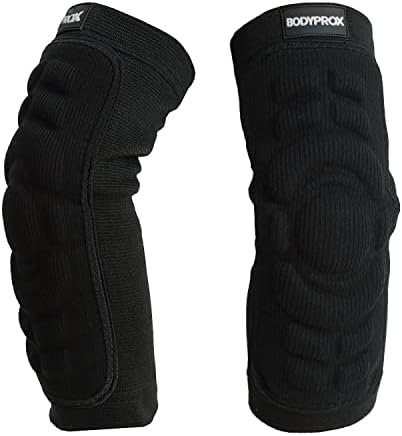
- TBB Score9.0
TrekBikesBlog (TBB) score is a ranking system that rates products on a scale of 1 to 10. The TrekBikesBlog score has no relationship or impact from any manufacturers or sales agent websites – it's an unbiased way to rate our products. Learn more
- BrandBodyprox
Last update on 2026-10-18 / Affiliate links / Images, Product Titles, and Product Highlights from Amazon Product Advertising API
For mountain biking, choose a sleeve style elbow pad with a soft impact material that stiffens on impact. These three are trail favorites.
Best overall: the POC Joint VPD 2.0 Elbow, around $90, uses a thick VPD 2.0 protector that stays flexible and ventilated while riding, then stiffens to absorb impact.

Best value: the Demon United Hyper X D3O, around $60, pairs D3O shock absorbing foam with perforated neoprene for venting. The brand notes sizing runs small.
Best flexible guard: the G-Form Pro-X3 Elbow Guards, around $60, are a low profile sleeve for trail and dirt riding.
Look for pads certified to the CE EN 1621-1 standard, which is the recognized benchmark for limb protection in cycling and motorsports gear. This certification means the pad has been independently certified to absorb a measured amount of impact force rather than relying on marketing claims about "advanced protection."
Within that certification, pads are often rated at different protection levels, with higher levels absorbing more force but sometimes adding bulk. For most trail and enduro riding, a certified Level 1 pad offers a good balance, while riders doing bike park laps or downhill focused riding may prefer the added protection of a higher rated pad.
Uncertified pads can still offer some cushioning, but without independent certification behind them, there's no reliable way to compare how much protection they actually provide against a certified alternative. If protection is the main reason you're buying pads in the first place, treat certification as a non negotiable filter rather than a nice to have feature.
Traditional foam padding is lightweight, breathable, and flexes naturally with your arm, but it compresses over repeated hits and needs eventual replacement to keep its protective properties. It's a solid choice for riders who mostly want scrape protection with some impact cushioning.
Soft, flexible impact compounds that stiffen on impact offer a different tradeoff: they stay soft and comfortable during normal riding but harden instantly when struck hard, spreading impact force more effectively than standard foam. These pads typically cost more but hold their protective performance longer since they don't compress permanently the way foam can.
Pull on sleeve style pads slide on like a compression sleeve and stay in place well during normal pedaling, but they can be harder to size correctly since there's no adjustment once you've picked a size. Measure your bicep and forearm circumference against the manufacturer's sizing chart rather than guessing based on your shirt size.
Strap adjustable pads use hook and loop closures that let you fine tune fit and make them easier to pull on and off without removing gloves or other gear first. The tradeoff is that straps can loosen slightly over a long, sweaty ride, so check them periodically if you're doing extended sessions.
Pads with mesh backing panels and perforated padding breathe significantly better than solid, non perforated designs, which matters most on warm weather rides or long climbs between descents. Overheating and chafing are the top reasons riders stop wearing pads altogether, so comfort features aren't a minor detail here.
Pay attention to where the pad's edges sit relative to your elbow's bend. Pads that ride up or dig in during a full arm bend will get left at home no matter how well they perform in impact tests.
Cross country and light trail riders often prefer slim, low profile pads that don't restrict arm movement or feel warm during long pedaling efforts. Bulkier protection isn't necessary when crash speeds and impact forces are generally lower.
Enduro, bike park, and downhill riders benefit from bulkier pads with more coverage area and higher rated impact materials, since crash speeds and terrain severity are higher in those disciplines. Buying pads suited to your actual riding, rather than the most protective option available, keeps you comfortable enough to wear them consistently.
It also helps to think about coverage area specifically, not just bulk. Some of the best bicycle elbow pads on the market extend protection a bit further up the forearm and bicep than a basic design, which matters if you tend to land awkwardly or ride terrain with a lot of unpredictable falls, like rock gardens or root heavy sections.
Do I really need elbow pads for casual trail riding?
Even casual trail riding involves rocks, roots, and unexpected falls. A lightweight, certified pad adds real protection without much downside for the average rider.
How do I know if my elbow pads fit correctly?
A properly fitted pad stays in place through a full range of arm motion without sliding down or pinching at the elbow crease. If you need to constantly readjust it while riding, try a different size or style.
How long do elbow pads last before losing protective quality?
Foam based pads typically need replacing after one to two seasons of regular use, or immediately after a hard impact, since foam can compress permanently and lose its protective capacity.
Can I wear elbow pads under a jersey?
Slim, low profile pads can work under a loose fitting jersey, but most riders wear them over a base layer or directly over bare skin under a jersey for better mobility and less bunching.
What's the difference between CE Level 1 and Level 2 protection?
Level 2 pads absorb more impact force but are typically bulkier. Level 1 suits most trail riding, while Level 2 suits higher speed, higher consequence disciplines like downhill.
Are elbow pads compatible with arm warmers or cold weather layers?
Yes, most sleeve and strap style pads fit fine over or under a thin base layer, though very bulky cold weather layers may require sizing up.
Do elbow pads restrict braking or shifting?
Well designed pads shouldn't interfere with wrist or hand movement since the protective area sits above the wrist. If you notice restriction, the pad may be sized too large or positioned too low.
Choosing the best bicycle elbow pads for your riding comes down to matching certified protection with a fit and ventilation level you'll actually tolerate for a full ride. A slightly less protective pad you wear every time beats a heavily armored one that stays in your gear bag.


Best Folding Bikes: Fold Mechanism, Weight, and Wheel Size
Best Polarized Mountain Bike Sunglasses

Best Hardtail Mountain Bike for Every Need: How to Pick the Right One

Best Spin Bikes: Flywheel, Resistance, and Drive Type

Best 29er Mountain Bike: What Actually Changes With Bigger Wheels

Best Electric Mountain Bike: What Motor, Battery, and Weight Specs Actually Mean

Best Black Friday Electric Bikes: What to Buy and How to Spot a Real Deal

Best Balance Bikes for Toddlers: Specs, Picks & Buying Guide