Best Angle Grinder Resistant Bike Lock (2026): Buying Guide
A cordless angle grinder cuts through a standard hardened lock in well under a minute, and thieves know it. That is the problem the best angle grinder resistant bike lock exists to solve: locks built from materials that clog, shatter, or rapidly wear out cutting discs, turning a 30 second theft into a long, loud, spark throwing scene most thieves will not risk. Resistant does not mean proof, and any seller who implies otherwise is misleading you.
This guide explains how these locks work, what the ratings actually certify, and how to choose between the heavy U lock and chain formats without hauling more steel than your routine can bear. The comparison table below shows the main types; the sections after it cover sizing, locking technique, and the honest limits of the technology.
Compare Products

- TBB Score9.2
TrekBikesBlog (TBB) score is a ranking system that rates products on a scale of 1 to 10. The TrekBikesBlog score has no relationship or impact from any manufacturers or sales agent websites – it's an unbiased way to rate our products. Learn more
- BrandHiplok
- TBB Score9.2
TrekBikesBlog (TBB) score is a ranking system that rates products on a scale of 1 to 10. The TrekBikesBlog score has no relationship or impact from any manufacturers or sales agent websites – it's an unbiased way to rate our products. Learn more
- BrandHiplok

- TBB Score8.2
TrekBikesBlog (TBB) score is a ranking system that rates products on a scale of 1 to 10. The TrekBikesBlog score has no relationship or impact from any manufacturers or sales agent websites – it's an unbiased way to rate our products. Learn more
- BrandKryptonite

- TBB Score8.8
TrekBikesBlog (TBB) score is a ranking system that rates products on a scale of 1 to 10. The TrekBikesBlog score has no relationship or impact from any manufacturers or sales agent websites – it's an unbiased way to rate our products. Learn more
- BrandABUS

- TBB Score9.0
TrekBikesBlog (TBB) score is a ranking system that rates products on a scale of 1 to 10. The TrekBikesBlog score has no relationship or impact from any manufacturers or sales agent websites – it's an unbiased way to rate our products. Learn more
- BrandONGUARD
- TBB Score7.6
TrekBikesBlog (TBB) score is a ranking system that rates products on a scale of 1 to 10. The TrekBikesBlog score has no relationship or impact from any manufacturers or sales agent websites – it's an unbiased way to rate our products. Learn more
- BrandN/A
Last update on 2026-11-15 / Affiliate links / Images, Product Titles, and Product Highlights from Amazon Product Advertising API
E Bike Owners Parking in Public
An e bike worth several thousand dollars, parked at a rack for a full workday, is the textbook case for grinder resistance. The extra lock weight matters little when the bike itself weighs 60 pounds, and the cost of the lock is small against the cost of the bike. Begin with the security baseline in our overview of the best bike lock types, then step up to resistant models for the frame lock and add a secondary lock for wheels.
City Riders With High Risk Storage
If your bike sleeps in a shared garage, a station rack, or anywhere overnight in public, a resistant lock buys time and noise, the two things thieves hate. Pair it with a fixed anchor; the finest lock in the world fails when it secures a bike to a signpost that lifts out of the ground. Riders whose risk is lower, such as quick stops in view, may find a standard lock from the best u lock bike lock category is a saner daily carry.
Owners of One Irreplaceable Bike
Some bikes cannot simply be reordered: a custom build, a cargo bike your family logistics depend on, a vintage frame with history. For those, the weight and price of a resistant lock are cheap insurance, and many insurers now ask for top rated locks by name in the policy. If your bike is insured, check the required security rating before buying, because the wrong tier can void a claim.
How Grinder Resistance Actually Works
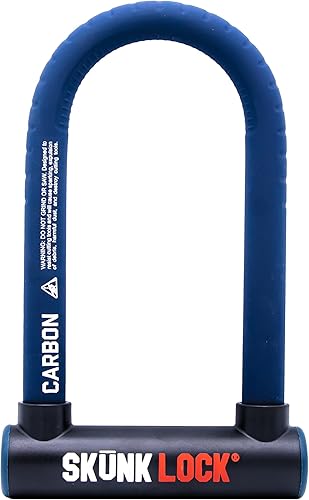
Two material strategies dominate. The first coats or replaces the shackle bar with a composite rich in materials like graphene or ceramic that destroy abrasive discs, forcing the attacker to swap discs repeatedly while the bar barely thins. The second uses very thick hardened steel sections that simply take a long time and several discs to cut through. Both buy minutes, not immunity. Any lock can be cut eventually; the goal is to make your bike the slowest, loudest target on the rack.
Security Ratings That Mean Something
Look for independent ratings rather than maker claims. Sold Secure grades locks from Bronze to Diamond, and bicycle Diamond is the tier grinder resistant locks target; the ART foundation in Europe uses a similar star scale, with two stars and above suiting e bikes. Ratings bodies test with timed tool attacks, so a certified rating tells you far more than a thick looking shackle. If a lock advertises resistance but carries no current independent rating, treat the claim as unproven.
Shackle Size and Internal Clearance
The lock has to fit around your frame, a wheel, and the anchor, and no more. Extra internal space is room for leverage tools and lets the bike be twisted against the lock, so the smallest shackle that fits your usual anchor is the strongest choice. Measure against the racks you actually use: a compact resistant U lock around 14 to 18 mm in bar thickness with a short body suits most street racks, while awkward anchors may push you to a resistant chain instead.
Weight and Carrying
Resistance is heavy. Expect about 3 to 7 pounds for resistant U locks and more for chains, which is why most of these locks end up living at the destination rather than riding along. Frame mounts exist for some models, but a five pound lock on a light road bike changes the ride. Many owners keep the heavy lock chained to the work rack and carry a lighter lock for cafe stops, a two lock system that matches security to the actual risk.
Chains Versus U Locks in Resistant Form
A resistant chain wraps odd anchors, fits fat tires, and cannot be attacked with leverage, but it is the heaviest way to carry security. The resistant U lock remains lighter for its strength and mounts more neatly. Riders comparing formats should weigh our guide to the best chain bike lock options against the U lock above; in both formats, avoid cable locks entirely for anything beyond a 60 second stop, since even the thickest cable yields to hand cutters, as the best cable bike lock category itself makes clear.
Locking Mechanism and Key Security
Grinder resistance is wasted on a cylinder that picks or drills easily. Look for disc detainer or similarly pick resistant cores, a shutter that keeps rain and grit out of the keyway, and a key system with registered spares you can reorder by code rather than by cutting copies. Sold Secure Diamond assessment includes manipulation attacks, which is another reason to buy the rating rather than the marketing.
Lock the frame and rear wheel to a fixed, immovable anchor, low and tight so the lock cannot be swung or levered. Keep the lock body away from the ground, because a thief who can brace a lock on concrete gains leverage and a stable cutting platform. Fill as much of the shackle space as possible with frame and anchor so tools cannot maneuver. Take removable lights, computers, and bags with you, and if the bike must sleep outside, vary nothing: use the best anchor, every night, in the most visible lit spot available.
- Believing resistant means unbreakable, then parking a premium bike overnight in a deserted spot anyway.
- Locking only the front wheel, which unbolts in seconds and leaves the thief holding your frame.
- Choosing an oversized shackle full of empty space that invites leverage and twisting attacks.
- Resting the lock against the ground, giving the attacker a firm platform for cutting or hammering.
- Spending on a grinder resistant lock but mounting it to a flimsy rack that a hand tool cuts faster.
- Skipping the insurance rating check, then finding your policy demanded a different certification tier.
Keep the keyway clean and lubricated with a lock specific dry lubricant every few months, especially through winter salt season. Wipe grit off the shackle before closing it so the mechanism does not grind itself from inside. Store the lock out of standing water, dry it after rain rides, and never force a frozen lock with a hammer; warm the key in your hand first. Test the spare keys once, then store one at home, because replacing a lost key by code takes days and cutting into a resistant lock takes a professional considerably longer.
Can an angle grinder resistant bike lock still be cut?
Yes. Given enough time, discs, and batteries, any lock falls to a grinder. Resistance stretches the attack from under a minute to several minutes of noise, sparks, and disc changes, which is what deters thieves working in public. Think of the lock as buying time and attention, not as a guarantee, and combine it with smart parking and insurance.
Are angle grinder resistant bike locks worth the money?
For bikes worth a few thousand dollars that must park in public, yes: the lock costs a small fraction of the bike and directly defeats the most common professional attack. For a cheap bike or one kept indoors, the same money is better spent on a standard rated lock and a better anchor. Match the lock budget to the bike value and the parking risk, not to fear alone.
How heavy is an angle grinder resistant bike lock?
Most resistant U locks weigh about 3 to 7 pounds, and resistant chains can weigh more. That is two to three times a standard lock, which is why many riders leave theirs locked to the rack at work or the anchor at home. If you must carry it, a frame mount or a hip pouch spreads the load better than a rattling basket.
Do insurers accept angle grinder resistant locks?
Many do, and some policies for valuable e bikes specifically require a top tier rating such as Sold Secure Diamond. The detail that matters is the rating named in your policy, not the product name, so match the certification first and the lock second. Keep the receipt and the rating certificate with your insurance documents in case a claim ever asks for them.
What is the difference between Sold Secure Gold and Diamond for bike locks?
Diamond is the higher tier, assessed against a wider and more aggressive tool list, including sustained angle grinder attacks, while Gold resists a strong but shorter attack. Grinder resistant models aim at Diamond for bicycles. The gap matters most for overnight and high value parking; for brief daytime stops, Gold rated locks remain a sensible and lighter choice.
No lock wins an unlimited fight, so win the realistic one: make the attack slow, loud, and obvious, on a solid anchor, in a visible place. Use the product table above to compare ratings, shackle sizes, and weights, and be honest about whether you will carry the lock or leave it in place. Set up that way, the best angle grinder resistant bike lock turns your bike into the job a thief walks past. Prices and availability can change, so check the product page before ordering.


Best 64 oz Water Bottles (2026): Insulation, Lids and Handles
Best Compact Bike Multi Tools (2026): Carry Guide

Best Bike Seat for Long Rides in 2026: Buying Guide and What to Check
Best DJI Action Cameras: Which Model Suits Your Riding? (2026)

Best Bike Computer for Gravel (2026): Buying Guide
Best Bike Computer With Maps (2026): Buying Guide

Best 40 oz Water Bottles for Riders in 2026: A Buying Guide

Best Bike Rack for Truck in 2026: Buying Guide and What to Check