
Best 700c Bike Tires (2026): Width, Tread and Casing Guide
The 700c wheel size covers more kinds of riding than any other: pure road bikes, hybrids, commuters, tourers and most gravel bikes all roll on it. That breadth is exactly why choosing the best 700c bike tires can feel confusing, because a 25 mm racing slick and a 45 mm gravel tread share the same size label while serving opposite purposes. The number that matters, 700c, only tells you the bead diameter your rim needs. Everything about how the tire rides comes from width, tread, casing and pressure.
This guide starts with the sizing itself, then matches tire types to the riding they suit. The comparison table below shows the main families side by side. If your bike uses a different wheel size, or you want the full landscape first, our general guide to the best bike tires maps every common size and category before you narrow down.
Compare Products

- TBB Score9.4
TrekBikesBlog (TBB) score is a ranking system that rates products on a scale of 1 to 10. The TrekBikesBlog score has no relationship or impact from any manufacturers or sales agent websites – it's an unbiased way to rate our products. Learn more
- BrandContinental
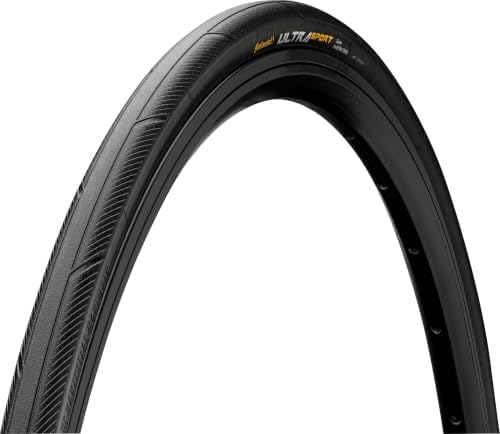
- TBB Score9.2
TrekBikesBlog (TBB) score is a ranking system that rates products on a scale of 1 to 10. The TrekBikesBlog score has no relationship or impact from any manufacturers or sales agent websites – it's an unbiased way to rate our products. Learn more
- BrandContinental

SCHWALBE Marathon Plus HS 348 Road Bike Tire (700x35, Allround
- TBB Score9.2
TrekBikesBlog (TBB) score is a ranking system that rates products on a scale of 1 to 10. The TrekBikesBlog score has no relationship or impact from any manufacturers or sales agent websites – it's an unbiased way to rate our products. Learn more
- BrandSCHWALBE

Schwalbe Marathon 700 x 38C Clincher Tire [Genuine Product] [Touring/Touring/Street
- TBB Score9.6
TrekBikesBlog (TBB) score is a ranking system that rates products on a scale of 1 to 10. The TrekBikesBlog score has no relationship or impact from any manufacturers or sales agent websites – it's an unbiased way to rate our products. Learn more
- BrandSCHWALBE
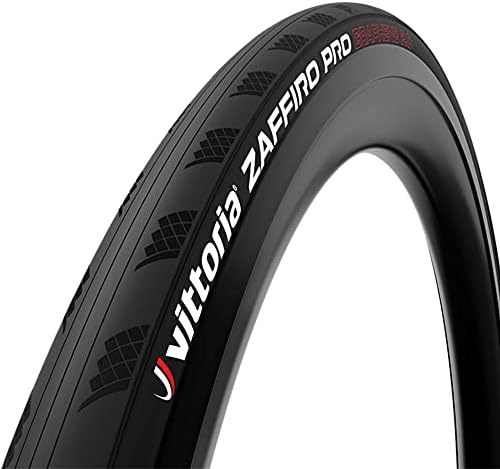
- TBB Score8.6
TrekBikesBlog (TBB) score is a ranking system that rates products on a scale of 1 to 10. The TrekBikesBlog score has no relationship or impact from any manufacturers or sales agent websites – it's an unbiased way to rate our products. Learn more
- BrandVittoria

- TBB Score9.2
TrekBikesBlog (TBB) score is a ranking system that rates products on a scale of 1 to 10. The TrekBikesBlog score has no relationship or impact from any manufacturers or sales agent websites – it's an unbiased way to rate our products. Learn more
- BrandSchwinn

- TBB Score9.0
TrekBikesBlog (TBB) score is a ranking system that rates products on a scale of 1 to 10. The TrekBikesBlog score has no relationship or impact from any manufacturers or sales agent websites – it's an unbiased way to rate our products. Learn more
- BrandFincci

- TBB Score9.0
TrekBikesBlog (TBB) score is a ranking system that rates products on a scale of 1 to 10. The TrekBikesBlog score has no relationship or impact from any manufacturers or sales agent websites – it's an unbiased way to rate our products. Learn more
- BrandYunSCM

- TBB Score8.8
TrekBikesBlog (TBB) score is a ranking system that rates products on a scale of 1 to 10. The TrekBikesBlog score has no relationship or impact from any manufacturers or sales agent websites – it's an unbiased way to rate our products. Learn more
- BrandN/A

- TBB Score9.0
TrekBikesBlog (TBB) score is a ranking system that rates products on a scale of 1 to 10. The TrekBikesBlog score has no relationship or impact from any manufacturers or sales agent websites – it's an unbiased way to rate our products. Learn more
- BrandN/A
Last update on 2026-11-17 / Affiliate links / Images, Product Titles, and Product Highlights from Amazon Product Advertising API
Road Riders Replacing Worn or Slow Tires
If your road bike still wears the narrow tires it came with years ago, a modern 28 or 30 mm tire is likely the biggest comfort upgrade available to you, because wider rubber at lower pressure rolls over rough pavement instead of bouncing across it. Choose a supple casing and minimal tread for speed, and confirm your frame and brakes clear the extra width. Most road frames from recent years accept 28 mm easily; older frames may stop at 25 mm. Measure before you order, using the method in the sizing section below.
Commuters and Tourers Who Need Flat Protection
Daily riders trade a little speed for certainty. A 32 to 38 mm tire with a puncture layer under the tread, a reflective sidewall and modest tread survives glass, grit and wet painted lines while still rolling well on pavement. The priorities in our guide to the best bike tires for commuting apply directly: protection first, then comfort, then speed. Tourers should also weigh casing durability for loaded miles, since a rear tire carrying luggage wears faster and a failure far from a shop costs a day, not minutes.
Gravel Riders on 700c Wheels
Many gravel bikes run 700c wheels with tires from 35 to 50 mm, using volume instead of suspension to handle dirt roads. Tread choice follows your surface mix: file tread or small knobs for hardpack, open knobs for mud season. Our specialist guide to the best gravel bike tires compares patterns in depth. The 700c advantage over smaller wheels is momentum on open ground, so favor tires that keep rolling speed on the paved stretches between trails rather than full mountain patterns.
Width: The Decision That Shapes Everything
Width is printed after the size, as in 700x32c, and it sets your pressure range, comfort and grip. Narrow tires around 25 to 28 mm suit smooth roads and tight frames. Mid widths of 30 to 38 mm cover most commuting, endurance and light gravel use, and are the sweet spot for mixed riding. Widths from 40 mm upward are gravel and rough road territory. Remember that labeled widths vary between brands and grow on wider rims, so a tire marked 32 may measure 34 on your wheel. Buy for your measured clearance, not the number on the box.
Tread Pattern for Pavement, Dirt or Both
On dry pavement, tread grooves contribute almost nothing to grip; rubber compound and pressure do that work, so slick and near slick tires are the fast, secure choice. Texture earns its keep off road, where knobs penetrate loose surfaces, and in heavy rain at low speed, where channels clear water and grit from under the tire. Hybrid tread with a smooth center and toothed shoulders is the honest compromise for mixed routes. Judge tread by where you brake and corner hardest, because that is where the pattern proves itself or lets you down.
Casing and Puncture Protection
Casing thread count hints at feel: fine, high thread casings flex easily and ride smoothly, while coarser casings shrug off abuse. Protection layers sit under the tread on commuter and touring tires, and full bead to bead armor guards the sidewalls too. Each layer adds weight and stiffness, so match protection to your debris. City riders crossing glass strewn streets gain real reliability from armor; club riders on clean rural roads mostly gain grams. Sidewall cuts end more tires than tread wear does, so inspect the walls, not just the top, when judging a tire near replacement.
Rim Inner Width and Tire Shape
A tire takes its shape from the rim it sits on. Narrow rims under wide tires create a bulb shape that folds in corners, while rims that are too wide for the tire flatten the tread and expose the sidewalls. Modern pairings aim for a rim inner width around half to two thirds of the tire width for road and gravel use. This also affects measured width, which is why the same tire differs between bikes. When upgrading tires on older narrow rims, stay near the traditional widths for that rim rather than chasing the widest casing that physically fits.
Tubed, Tubeless and Inner Tube Choice
Most 700c tires are sold in tubeless ready and conventional versions. Tubeless removes pinch flats and lets sealant close small punctures, at the cost of setup care and periodic sealant checks. Conventional tires with tubes remain simpler for riders who swap tires often between road and trainer or who ride little in winter. Either way, match the tube to the tire: tubes are sized by width range, and a stretched thin tube in a wide tire is more fragile. Your choice here should follow your puncture history, not fashion.
The clearest size marking is the ETRTO number on the sidewall, written as width and bead diameter in millimeters, such as 32-622. The 622 confirms it fits a 700c rim; the first number is the width in millimeters. To check clearance, measure the narrowest gaps at the fork crown, the brake bridge and the chainstays with your current tire fitted, then allow at least 4 mm of space on each side for mud, wheel flex and tire growth on your rims. Rim brakes add their own limit at the caliper. If a bigger tire clears by less than that margin, choose the next size down and gain the safety back in lower pressure.
Reliable 700c tires start around $25 to $40 each for commuter and training models with protection layers. Supple road and gravel tires with fine casings run about $50 to $90 each. You are paying for casing quality, compound and consistency: better tires measure true to size, seat evenly and wear predictably. False economy is common at the very bottom, where hard rubber rides harshly and grips poorly in the wet. For most riders, one step above the cheapest option is where value lives, especially on the front wheel that decides your steering.
- Ordering by the 700c label alone and ignoring width, so the new tire rubs the frame or feels completely different from the old one.
- Assuming the printed width is exact, when rim width can grow a tire several millimeters beyond its label.
- Inflating to the maximum printed pressure out of habit, which makes wide modern tires harsh and can reduce cornering grip.
- Mixing a heavily worn rear tire onto the front during a rotation, putting your most tired rubber on the wheel that steers.
- Judging a tire worn only by its tread, while sidewall cracks and cuts have already made it unsafe.
Run pressures matched to your width and weight rather than the sidewall maximum, because overinflated tires concentrate wear on a narrow center strip. Keep tires clean with water and a brush, and pick out embedded glass and flints with a pointed tool after wet rides, before they work through the casing. Move the front tire to the rear when the rear wears, and fit the new tire up front, so steering always gets the fresher rubber. Store the bike out of sunlight and away from solvents, and check sidewalls monthly for cuts. A tire retired at the right time costs less than a blowout at speed.
Are 700c tires the same size as 29 inch tires?
They share the same bead seat diameter, 622 mm, which is why the two names coexist. Mountain tires use the 29 inch label and road and hybrid tires use 700c, but a 29er mountain tire physically mounts on a 700c rim if the width fits the frame. Our guide to the best mountain bike tires uses the inch naming for those wide treads. In practice, buy by the ETRTO number and width, and the marketing name stops mattering.
What width 700c tire should I choose?
Start from your frame clearance, then your surface. Smooth road riders do well on 28 to 32 mm, mixed surface and commuting riders on 32 to 38 mm, and gravel riders on 38 to 45 mm where the frame allows. Wider is not automatically better: beyond your rim and clearance, extra width adds weight and can feel vague. If you are between sizes, pick the narrower one for mostly paved routes and the wider one when dirt or broken pavement dominates your riding.
How long do 700c bike tires last?
Rear tires typically wear out in about 1,500 to 3,500 miles depending on compound, rider weight and surface, with fronts lasting considerably longer. Many riders replace the rear twice for each front. Wear signals include a squared off center profile, frequent small cuts and threads showing in the tread. Soft race compounds trade life for grip and may give half the mileage of a training tire. Rotating a fresh tire to the front and moving the front to the rear stretches the life of each pair safely.
Are expensive 700c bike tires worth it?
They can be, because the casing is where money shows. A supple tire at sensible pressure both rolls easier and grips better than a stiff budget tire, and the difference is noticeable on the first ride. Protection and consistency also improve with price. The value fades for short, slow utility trips where durability is all that matters; a mid priced armored tire serves better there. Spend the most on the riding you do most, and replace on condition rather than on a schedule.
How do you clean 700c bike tires?
Plain water, a soft brush and a little time are enough. Scrub the tread to lift out grit, rinse, and while the tire is wet and clean, run your fingers or eyes over it looking for cuts and embedded debris worth removing. Avoid solvent degreasers on the tire itself, because they can dry the rubber. Cleaning doubles as inspection, which is when most riders catch the sidewall cut that would have become next week's puncture. Dry the tires before storing the bike indoors.
Let clearance and surface drive the choice: confirm the ETRTO size, pick the widest tire your frame safely fits for the roads you ride, and match tread and casing to your puncture risk. Do that and the best 700c bike tires for your bike will feel obvious on the first ride. Compare your finalists in the product table above, set pressures for your weight rather than the sidewall maximum, and finish with the standard check of brakes, tire seating and helmet fit before you roll out.


Best 20 oz Water Bottles (2026): Cage Fit, Caps and Materials

Best Bike Mirrors: Mounting Options and Field of View

Best Cameras for Bicycles 2026 Made Simple: A Clear Buying Guide

Best 2L Hydration Packs (2026): Capacity, Bladder and Fit

Best Bike Pump Under 30 Dollars in 2026: Buying Guide and What to Check

Best Air Up Water Bottles: Which Type Suits Your Riding? (2026)

Best Budget Bike Trainer in 2026: A Buying Guide
Best Bike Seat for Women in 2026: Buying Guide and What to Check










