
Best Motorcycle Helmet Brands for 2026: An Honest Comparison
A motorcycle helmet is the most important piece of riding gear you will buy, and the brand on the shell tells you a lot about fit, safety standards, comfort features and price. For a first time buyer, though, the long list of names, from budget friendly HJC and LS2 to premium Shoei and Arai, can be hard to sort out.
This guide compares the best motorcycle helmet brands in plain terms. It explains what makes a brand worth trusting, profiles seven well known brands sold in the US with their strengths and weaknesses, shows how to choose between brands and answers common first time buyer questions. When you are ready, compare current helmets in the product table above.
The short answer: choose a helmet from an established brand that carries DOT certification at minimum, ideally ECE 22.06 or Snell as well, and pick the model whose head shape matches yours, since fit matters more than the logo.
Compare Products

- TBB Score9.2
TrekBikesBlog (TBB) score is a ranking system that rates products on a scale of 1 to 10. The TrekBikesBlog score has no relationship or impact from any manufacturers or sales agent websites – it's an unbiased way to rate our products. Learn more
- BrandN/A
- TBB Score9.2
TrekBikesBlog (TBB) score is a ranking system that rates products on a scale of 1 to 10. The TrekBikesBlog score has no relationship or impact from any manufacturers or sales agent websites – it's an unbiased way to rate our products. Learn more
- BrandN/A

- TBB Score8.6
TrekBikesBlog (TBB) score is a ranking system that rates products on a scale of 1 to 10. The TrekBikesBlog score has no relationship or impact from any manufacturers or sales agent websites – it's an unbiased way to rate our products. Learn more
- BrandN/A

- TBB Score9.2
TrekBikesBlog (TBB) score is a ranking system that rates products on a scale of 1 to 10. The TrekBikesBlog score has no relationship or impact from any manufacturers or sales agent websites – it's an unbiased way to rate our products. Learn more
- BrandN/A

- TBB Score8.2
TrekBikesBlog (TBB) score is a ranking system that rates products on a scale of 1 to 10. The TrekBikesBlog score has no relationship or impact from any manufacturers or sales agent websites – it's an unbiased way to rate our products. Learn more
- BrandN/A

- TBB Score8.6
TrekBikesBlog (TBB) score is a ranking system that rates products on a scale of 1 to 10. The TrekBikesBlog score has no relationship or impact from any manufacturers or sales agent websites – it's an unbiased way to rate our products. Learn more
- BrandN/A

- TBB Score8.2
TrekBikesBlog (TBB) score is a ranking system that rates products on a scale of 1 to 10. The TrekBikesBlog score has no relationship or impact from any manufacturers or sales agent websites – it's an unbiased way to rate our products. Learn more
- BrandN/A

- TBB Score8.6
TrekBikesBlog (TBB) score is a ranking system that rates products on a scale of 1 to 10. The TrekBikesBlog score has no relationship or impact from any manufacturers or sales agent websites – it's an unbiased way to rate our products. Learn more
- BrandInsta360

- TBB Score8.2
TrekBikesBlog (TBB) score is a ranking system that rates products on a scale of 1 to 10. The TrekBikesBlog score has no relationship or impact from any manufacturers or sales agent websites – it's an unbiased way to rate our products. Learn more
- BrandN/A

- TBB Score8.4
TrekBikesBlog (TBB) score is a ranking system that rates products on a scale of 1 to 10. The TrekBikesBlog score has no relationship or impact from any manufacturers or sales agent websites – it's an unbiased way to rate our products. Learn more
- BrandN/A

- TBB Score8.8
TrekBikesBlog (TBB) score is a ranking system that rates products on a scale of 1 to 10. The TrekBikesBlog score has no relationship or impact from any manufacturers or sales agent websites – it's an unbiased way to rate our products. Learn more
- BrandN/A
- TBB Score8.8
TrekBikesBlog (TBB) score is a ranking system that rates products on a scale of 1 to 10. The TrekBikesBlog score has no relationship or impact from any manufacturers or sales agent websites – it's an unbiased way to rate our products. Learn more
- BrandN/A

- TBB Score9.8
TrekBikesBlog (TBB) score is a ranking system that rates products on a scale of 1 to 10. The TrekBikesBlog score has no relationship or impact from any manufacturers or sales agent websites – it's an unbiased way to rate our products. Learn more
- BrandN/A
Last update on 2026-10-28 / Affiliate links / Images, Product Titles, and Product Highlights from Amazon Product Advertising API
These three stand out in the product table above for different budgets and needs.
Best overall: the LS2 Helmets Dragon Carbon Full Face Motorcycle Helmet, around $600, is our first choice from the table.
Best value: the Sena OUTRUSH 2 Modular Smart Motorcycle Helmet with Bluetooth, around $380, is the lowest priced of these three.
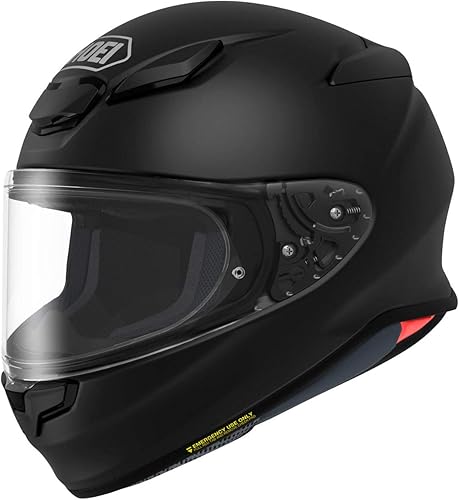
Also great: the Shoei RF-1400 Full Face Motorcycle Helmet, around $550, is another strong option with a different set of features.
A great helmet brand combines proven safety certifications, consistent sizing, quality materials, comfort features, spare parts availability and solid warranty support. Brands that publish clear sizing charts and head shape information make it easier to buy the right fit online.
Compatibility With Your Bike or Gear
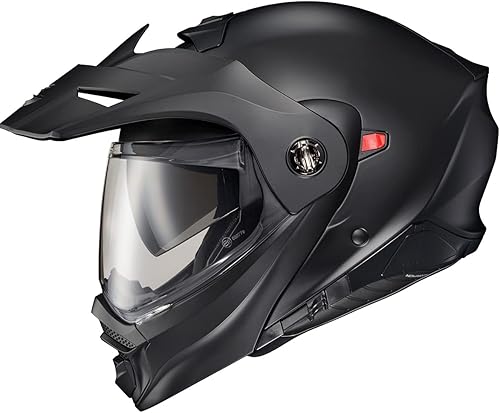
Consider how the helmet works with your riding style and gear. Full face helmets suit sport and touring riders, modular helmets with flip up chin bars suit commuters and tourers, open face helmets suit cruisers and adventure or dual sport helmets suit mixed on and off road riding.
Check whether the brand offers cutouts or mounts for Bluetooth communicators, pinlock ready visors to prevent fogging and compatibility with sunglasses or prescription glasses.
Safety Certifications
Every street legal helmet sold in the US must meet DOT FMVSS 218. Many quality helmets also carry ECE 22.06, the current European standard with rigorous impact and rotational tests, and some carry Snell M2020 certification, a voluntary standard popular with track riders.
Look for the certification labels on the helmet itself, not just in the listing. Avoid novelty helmets with no certification, which may look similar but offer far less protection in a crash.
Performance Specs
Compare shell material, weight, ventilation and visibility. Polycarbonate shells are affordable, while fiberglass and carbon composite shells are lighter and often more expensive. A lighter helmet, around 3 to 3.5 pounds for a full face, reduces neck fatigue.
Good ventilation keeps you cool, a wide eye port improves peripheral vision and aerodynamic shapes reduce buffeting and wind noise at highway speeds.
Fit, Shell Sizes and Head Shape
Brands design helmets around head shapes: round oval, intermediate oval and long oval. Most North American riders have intermediate oval heads, but a brand that fits a friend may not fit you. Premium brands often use several shell sizes, so smaller heads do not end up in oversized shells.
Removable, washable liners and cheek pads in different thicknesses let you fine tune fit and keep the helmet fresh.
These seven brands are widely sold in the US and cover budget to premium price points.
| Brand | Known For | Price Range | Typical Warranty |
|---|---|---|---|
| Shoei | Premium quality, quiet comfort | Around $500 to $900 | Five years |
| Arai | Hand built shells, safety focus | Around $600 to $1,000 | Five years |
| Bell | American heritage, wide range | Around $150 to $800 | Five years |
| HJC | Value and variety | Around $100 to $600 | Five years |
| Scorpion | Features for the price | Around $150 to $500 | Five years |
| Shark | Bold styling, European design | Around $200 to $700 | Five years |
| LS2 | Budget friendly certified helmets | Around $100 to $400 | Varies |
Shoei
Shoei is a Japanese brand known for premium build quality, quiet shells, excellent ventilation and comfortable liners. Its helmets suit sport, touring and commuting riders who want a refined experience. The main drawback is price, and Shoei fits tend to suit intermediate oval heads best.
Arai
Arai builds its shells largely by hand and focuses on a smooth, round shell shape designed to glance off impacts. Arai helmets are known for comfort and long term durability. They cost more and some riders find them warmer or heavier than rivals.
Bell
Bell is an American brand with a long racing history and a wide range from affordable full face helmets to premium carbon models and retro styles. It suits riders who want variety and classic designs. Fit and features vary by model line, so check reviews of specific models before buying.
HJC
HJC is one of the largest helmet makers, offering certified helmets at almost every price point. Its helmets suit beginners, commuters and value focused riders who want certified protection. Budget models are heavier and louder than premium options, but higher end HJC lines compete well on features.
Scorpion
Scorpion offers feature rich helmets at midrange prices, including inflatable cheek pads for a snug fit and drop down sun visors. It suits riders who want premium features without premium prices. Some models run warm in hot weather, so riders in hot climates should compare ventilation carefully.
Shark
Shark is a French brand known for distinctive styling, modular designs and ECE certified models. It suits riders who want European design and touring features. Fit tends to suit slightly rounder heads, so try before buying if possible.
LS2
LS2 offers affordable helmets with modern features such as drop down visors and pinlock ready shields. It suits budget buyers and new riders. Materials and noise control trail premium brands, but many models carry both DOT and ECE certification.
The specific model and its fit matter more than the brand name. Start by measuring your head circumference about an inch above the eyebrows and comparing it with the brand's size chart. Identify your head shape and choose brands and models that match.
Next, decide on the helmet type for your riding, then compare certifications, weight, ventilation and noise. Read reviews of the exact model, check the warranty and confirm that replacement visors and pads are available in the US. Finally, buy from sellers with easy exchanges, since even experienced riders sometimes need a different size.
A new helmet should feel snug all around with even pressure, cheek pads pressing gently against your cheeks and no hot spots on the forehead. Wear it for 20 to 30 minutes indoors before riding; pressure points that appear then usually worsen on long rides.
Once safety and fit are covered, comfort features decide how much you enjoy wearing a helmet on long rides.
Ventilation
Look for adjustable chin, brow and top vents with rear exhaust ports that pull hot air out. Premium brands usually channel air more effectively and quietly, while budget helmets may have vents that move less air or whistle at speed.
Visors, Sun Shields and Fog Prevention
Pinlock ready visors accept an anti fog insert that keeps the shield clear in cold or wet weather. Drop down internal sun visors, common on Scorpion, LS2 and many modular helmets, save you from swapping tinted shields. Tool free visor changes make cleaning and swapping easy.
Noise and Aerodynamics
Wind noise at highway speeds can exceed 100 decibels inside some helmets, so riders who travel long distances should look for quiet shells, snug neck rolls and chin curtains. Wearing earplugs protects hearing regardless of helmet brand.
Communication System Readiness
Many helmets include speaker pockets and mounting points for Bluetooth intercoms, and some brands offer integrated systems designed for specific models. If you ride with a passenger or group, check compatibility before buying.
Full face, modular or open face for beginners?
A full face helmet is the best choice for most beginners. It offers the most protection for the chin and face, reduces wind noise and keeps out bugs and rain. Modular helmets add convenience for commuters, while open face helmets offer less protection.
What certifications should I look for?
Look for DOT FMVSS 218 at minimum, and ideally ECE 22.06 or Snell M2020 as well. DOT is required for street use in the US, ECE 22.06 includes modern rotational impact tests and Snell is a voluntary standard with demanding impact tests.
How do I choose the right size?
Measure your head circumference just above your eyebrows and ears, then use the brand's size chart. The helmet should feel snug without pressure points, and it should not rotate when you shake your head. Sizes vary between brands, so check each chart.
How often should I replace it?
Replace a motorcycle helmet about every five years, or immediately after any crash or significant drop. The protective foam liner degrades over time and cannot absorb a second impact properly, even if the shell looks fine.
Are expensive helmets safer?
Not necessarily. All certified helmets meet minimum safety standards. Premium helmets usually add lighter materials, better ventilation, quieter shells and more comfortable liners. A well fitting certified midrange helmet is safer than an ill fitting expensive one.
How should I care for my helmet?
Clean the shell with mild soap and water, wash removable liners by hand and let everything air dry. Avoid solvents, petroleum based cleaners and stickers with strong adhesives, which can weaken the shell and foam. Store the helmet in a cool, dry place in its bag, never on a mirror or seat where it can fall.
Can I buy a helmet online?
Yes, as long as you measure carefully and buy from a seller with easy exchanges. Use the brand's size chart, check head shape information and try the helmet indoors with the tags on before riding.
The three things that matter most are safety certification, a fit that matches your head shape and a helmet type suited to your riding. Shoei and Arai lead the premium tier, Bell, Scorpion and Shark offer strong midrange choices and HJC and LS2 deliver certified protection on a budget.
Compare the best motorcycle helmet brands in the product table above to find a helmet that fits well and protects you on every ride.


Best Headsets for Road Bikes for 2026 | Buying Guide

Best Waterproof Phone Cases for Cycling: A Guide

Best Ebike Battery Chargers: Charging Safely and Charging Right
Best Bike Phone Holders: Types Compared and How to Choose

Best Bike Travel Boxes for Flying With Your Bike

Best Fitness Bikes for Home: What Actually Matters Before You Buy

Best Bicycle Floor Pumps: Which One Fits the Way You Use It?

Best Affordable Full Suspension Mountain Bike: Every Type Explained Side by Side










