
Best Cycling Shorts for Spin Class in 2026: Buying Guide
A spin class is not a short bike ride that happens to be indoors. It is 45 to 60 minutes of high effort in a warm room with no wind to cool you, on a studio saddle that may be wider and softer than yours, several times a week. Shorts built for century rides are overkill here, and ordinary gym shorts fail in specific, uncomfortable ways. Choosing the best cycling shorts for spin class means matching pad, fabric, and price to the studio, not the road.
This guide focuses on what the studio environment actually demands. The product table below lists specific shorts side by side, and if you want to see the full shorts market first, our hub guide to the best cycling shorts covers road and outdoor styles as well.
Compare Products

- TBB Score8.8
TrekBikesBlog (TBB) score is a ranking system that rates products on a scale of 1 to 10. The TrekBikesBlog score has no relationship or impact from any manufacturers or sales agent websites – it's an unbiased way to rate our products. Learn more
- BrandNiksa
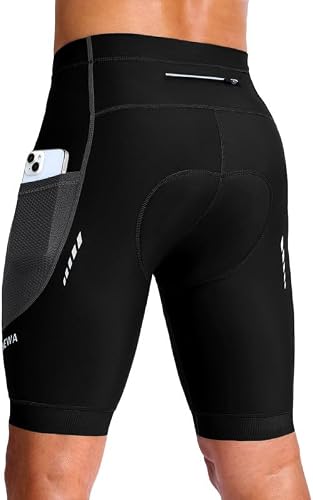
- TBB Score8.8
TrekBikesBlog (TBB) score is a ranking system that rates products on a scale of 1 to 10. The TrekBikesBlog score has no relationship or impact from any manufacturers or sales agent websites – it's an unbiased way to rate our products. Learn more
- BrandBikewa

- TBB Score8.2
TrekBikesBlog (TBB) score is a ranking system that rates products on a scale of 1 to 10. The TrekBikesBlog score has no relationship or impact from any manufacturers or sales agent websites – it's an unbiased way to rate our products. Learn more
- BrandBikewa

- TBB Score8.4
TrekBikesBlog (TBB) score is a ranking system that rates products on a scale of 1 to 10. The TrekBikesBlog score has no relationship or impact from any manufacturers or sales agent websites – it's an unbiased way to rate our products. Learn more
- BrandBikewa

- TBB Score8.8
TrekBikesBlog (TBB) score is a ranking system that rates products on a scale of 1 to 10. The TrekBikesBlog score has no relationship or impact from any manufacturers or sales agent websites – it's an unbiased way to rate our products. Learn more
- BrandSouke Sports

- TBB Score8.4
TrekBikesBlog (TBB) score is a ranking system that rates products on a scale of 1 to 10. The TrekBikesBlog score has no relationship or impact from any manufacturers or sales agent websites – it's an unbiased way to rate our products. Learn more
- Brandbaleaf

- TBB Score8.4
TrekBikesBlog (TBB) score is a ranking system that rates products on a scale of 1 to 10. The TrekBikesBlog score has no relationship or impact from any manufacturers or sales agent websites – it's an unbiased way to rate our products. Learn more
- BrandBikewa

- TBB Score8.6
TrekBikesBlog (TBB) score is a ranking system that rates products on a scale of 1 to 10. The TrekBikesBlog score has no relationship or impact from any manufacturers or sales agent websites – it's an unbiased way to rate our products. Learn more
- BrandX-TIGER

- TBB Score8.4
TrekBikesBlog (TBB) score is a ranking system that rates products on a scale of 1 to 10. The TrekBikesBlog score has no relationship or impact from any manufacturers or sales agent websites – it's an unbiased way to rate our products. Learn more
- BrandASTRYON

- TBB Score8.8
TrekBikesBlog (TBB) score is a ranking system that rates products on a scale of 1 to 10. The TrekBikesBlog score has no relationship or impact from any manufacturers or sales agent websites – it's an unbiased way to rate our products. Learn more
- BrandN/A

- TBB Score8.4
TrekBikesBlog (TBB) score is a ranking system that rates products on a scale of 1 to 10. The TrekBikesBlog score has no relationship or impact from any manufacturers or sales agent websites – it's an unbiased way to rate our products. Learn more
- BrandN/A

- TBB Score8.8
TrekBikesBlog (TBB) score is a ranking system that rates products on a scale of 1 to 10. The TrekBikesBlog score has no relationship or impact from any manufacturers or sales agent websites – it's an unbiased way to rate our products. Learn more
- BrandSportneer
Last update on 2026-11-23 / Affiliate links / Images, Product Titles, and Product Highlights from Amazon Product Advertising API
Beginners in Their First Month of Classes
Saddle soreness is the number one reason new riders quit spin classes, and it is worst in the first two or three weeks. An affordable padded short transforms those early classes while your sit bones adapt. You do not need premium fabric or a long distance pad yet; you need a decent chamois, a waistband that stays put during standing climbs, and a price that does not sting if you decide classes are not for you.
Regulars Taking Several Classes a Week
At three or more classes a week, the buying question changes from comfort to logistics. You need shorts that survive constant washing, dry overnight, and come in a rotation of two or three pairs so one is always ready. This group should value durable elastic, dark colors that hide sweat, and pads that recover their shape between washes. Fit guidance that applies to every class is in the guides to the best men's cycling shorts and the best women's cycling shorts.
Riders Who Split Time Between Studio and Road
If weekends are outdoors and weekdays are in the studio, one wardrobe can serve both with the right choices. A mid thickness pad works for a 45 minute class and a two hour road ride, and road quality fabric laughs at studio laundry cycles. This group should buy toward the road end of the range and simply use the same shorts inside, rather than owning a separate, cheaper studio kit that feels worse everywhere.
Pad Thickness for 45 to 60 Minute Classes
Studio classes are short and intense, so pad needs differ from the road. A medium density pad is the sweet spot: enough to protect sit bones through seated climbs and saddle heavy intervals, without the bulk that feels like a diaper during standing work. Very thick pads overheat and shift around on the wide, soft saddles many studios fit. Very thin pads leave new riders sore for days. The pad comparison in our guide to the best padded cycling shorts explains densities in more detail if you are torn between options.
Breathability When There Is No Wind
Outdoors, moving air does most of your cooling. Indoors, your shorts have to do it alone. Mesh panels, lightweight fabrics, and pads with perforated covers all help dump heat and sweat in a warm studio. Avoid heavy, brushed, or thermal fabrics, which are built for winter roads and turn a class into a sauna. Shorts cut a little shorter than road length also help, because more skin is exposed to the room's fans. If your studio runs hot, fabric choice matters as much as the pad.
Leg Grippers and Waistband Behavior in Class
Spin classes mix seated pedaling with standing climbs, jumps, and upper body work on the bars, so shorts get pulled in every direction. Leg grippers must hold without digging in, because a leg that rides up during a standing climb will distract you for the rest of the song. Waistbands should be wide and firm; drawstrings help if you fall between sizes. Bib shorts hold everything perfectly still but make quick bathroom trips before class a small production, which is why most studio riders choose waist shorts.
Fabric That Survives Frequent Washing
A road rider might wash a favorite pair twice a week; a spin regular washes after every class, and classes add up fast. Look for shorts with sturdy stitching, color fast fabric, and elastic that tolerates constant cycles. Cheap shorts often fail here first: the pad stays fine while the leg elastic gives up and the shorts start migrating mid class. Buying two mid priced pairs and rotating them usually outlasts one premium pair washed daily, and it solves the laundry timing problem at the same time.
Match the count to your class schedule. One class a week means one pair is enough, washed the same day. Two or three classes a week means two pairs, so a clean pair is never hostage to the laundry. Four or more classes a week means three pairs, because pads need a full day to dry and recover their shape between uses. Riders who attend early morning classes before work also benefit from keeping one pair permanently in the gym bag, which removes the classic forgotten shorts disaster entirely.
- Wearing regular gym shorts: loose fabric bunches on the saddle and offers zero padding, which is why studio saddles feel brutal by week two.
- Wearing underwear under padded shorts: cotton underwear under a chamois creates seams and holds sweat, causing the chafing the pad is meant to prevent.
- Buying the thickest pad in the shop: on a wide studio saddle, an oversized pad folds and shifts, and the extra heat indoors makes it feel worse.
- Bringing thermal or winter shorts indoors: heavy fabric in a warm studio guarantees overheating long before the final climb.
- Rewearing shorts between classes: a used chamois is a hygiene problem and a skin problem, so every class gets a clean pair.
Wash them the day of the class, even if that means a small load, because dried sweat degrades elastic faster than washing does. Use a cool cycle, skip fabric softener, which clogs the pad's wicking cover, and hang dry with the pad facing outward; studio shorts washed this way usually dry overnight, ready for the next day. Keep a mesh wash bag for each pair if your machine has an agitator, and check leg grippers monthly: once the silicone band cracks and loses its grip, the shorts will start riding up and their useful class life is over.
Do you really need special shorts for spin class?
For an occasional class, padded shorts are a comfort upgrade; for anyone attending weekly, they are close to essential. Studio saddles are shared, often wide and soft in ways that spread pressure poorly, and 45 minutes of seated intervals loads your sit bones hard. Most riders who buy one decent padded pair in their first month say the class changed from something they endured to something they could focus on.
Are bib shorts a good idea for spin class?
They hold the pad in place better than any waist short, and dedicated riders who also ride outdoors often use them indoors too. The downsides are practical: bib straps mean more undressing for a bathroom break, and in a hot studio the extra fabric over your torso adds warmth. For pure studio use, most riders prefer the simplicity of waist shorts; for riders splitting time with the road, bibs they already own work fine.
How thick should the pad be for a 45 minute spin class?
A medium pad, roughly the middle of whatever range a brand offers, suits most riders for classes of this length. New riders with very tender sit bones can start one step thicker for the first month and drop down later. What you are avoiding at both extremes is a racing thin pad that assumes an adapted rider, and a maximum pad that folds on a wide studio saddle and traps heat.
Can you wear spin class shorts for outdoor rides?
Yes, with modest expectations. A mid priced studio pair handles outdoor rides up to about ninety minutes comfortably, which covers most casual weekend riding. Beyond that distance, the simpler pads in studio oriented shorts compress and stop protecting, and the lighter fabrics offer little wind or sun protection. Riders whose outdoor rides keep getting longer should graduate to road shorts and keep the studio pairs for class, where they still excel.
Why do spin class shorts ride up during standing climbs?
Usually the leg grippers are worn out, the size is too big, or the fabric has lost its compression from heavy washing. Standing work pulls the shorts upward with every stroke, and only gripper pressure and a snug fit resist it. Try the smaller size if you are between sizes, and check the gripper bands: if the silicone print is cracked or smooth, the shorts have reached the end of their working life regardless of how the pad feels.
Buy for the room you ride in: a medium pad, light fabric, and enough pairs to keep the rotation clean, and the best cycling shorts for spin class will remove the soreness that keeps people from coming back. Compare the main styles in the product table above, and spend on a second pair before you spend on a fancier first one.

Best Cycling Shorts for Hot Weather (2026): Buying Guide

Best Aero Cycling Jersey (2026): Fit, Fabric and Buying Guide

Best Cycling Shorts of 2026: A Complete Buying Guide

Best Bib Cycling Shorts (2026): Buying Guide

Best Cycling Jersey for Men (2026): Buying Guide

Best Baggy Cycling Shorts (2026): Buying Guide

Best Mountain Bike Socks: Types Compared and How to Choose

Best Mountain Bike Bibs: Everything to Know Before Your First Purchase









